

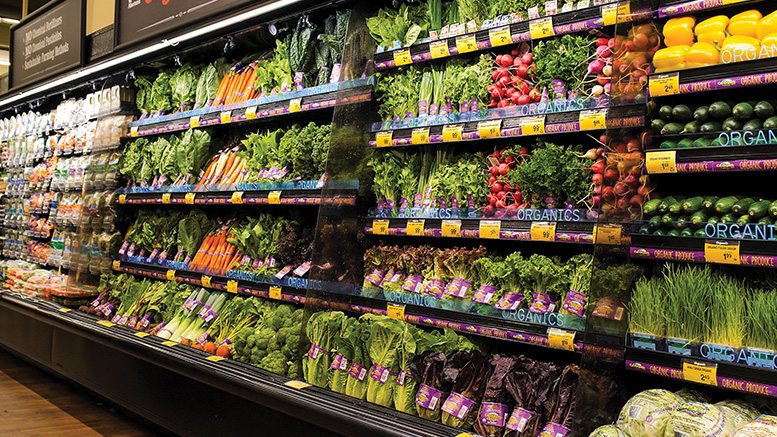
Independent grocery stores operate under a different set of pressures than large chain retailers. Margins are tighter, staffing is leaner, and every square foot of floor space carries real financial weight. In that environment, produce departments often receive less structural attention than they deserve — not because operators don’t care about them, but because the day-to-day demands of running a store leave little room for stepping back and evaluating how product is actually being presented and managed.
Vegetable displays are where a significant portion of customer decisions happen. Shoppers make quick judgments based on what they see, how accessible the product feels, and whether the display communicates freshness. When the physical setup of a display works against those judgments — even subtly — stores lose sales without always understanding why. The problem is rarely the vegetables themselves. More often, it comes down to how the display is structured, maintained, and restocked throughout the day.
The following mistakes are common across independent grocery operations. They’re not the result of carelessness. They tend to develop gradually, often because a setup that worked reasonably well in one context gets applied without adjustment to a different floor plan, product mix, or traffic pattern.
Mistake 1: Using Display Equipment That Doesn’t Match the Store’s Actual Workflow
A vegetable display rack is not simply a shelf. It functions as part of a restocking process, a waste management routine, and a customer-facing product presentation — all at once. When the equipment doesn’t fit how staff actually move through the store and replenish inventory, the display degrades quickly between restocks, and the burden on floor staff increases in ways that aren’t always obvious at first.
Many independent stores inherit display fixtures from previous configurations or purchase equipment based on upfront cost rather than operational fit. The result is a mismatch between how the rack is designed to function and how it’s actually used. Racks that lack adequate airflow, for example, accelerate moisture buildup around leafy vegetables. Racks that are too deep make it difficult for staff to rotate stock properly, so older product stays at the front longer than it should.
Operators evaluating options for a vegetable display rack should prioritize designs that align with their actual restocking frequency and product rotation habits, not just the physical footprint available on the floor.
Why Equipment Fit Affects More Than Aesthetics
When display equipment creates friction in the restocking process, staff tend to adapt in ways that compromise product quality. Partial restocks become more common. Rotation gets skipped during busy periods. These aren’t discipline problems — they’re predictable responses to a setup that makes proper maintenance harder than it needs to be. The display looks acceptable from a distance but performs poorly over the course of a day. Choosing equipment that makes correct handling the easier path reduces this problem without requiring additional oversight.
Mistake 2: Ignoring the Role of Vertical Space in Product Visibility
Floor-level or single-tier displays are a consistent missed opportunity in independent grocery stores. Produce departments that rely primarily on flat, wide display surfaces force customers to scan horizontally across a large area to find what they’re looking for. This works in warehouse-style environments where volume and variety create their own visual presence, but in smaller stores, it spreads product too thin and makes the department feel sparse even when inventory levels are adequate.
Vertical display arrangements use the same floor area more efficiently while making individual product categories easier to locate. They also create a visual anchor in the department — something that draws the eye and signals variety before a customer has walked the full length of the aisle.
How Vertical Arrangement Affects Customer Behavior
Customers navigating a produce section are not conducting an exhaustive search. They’re identifying what they need quickly and moving on. A vertically arranged display allows more products to sit within a natural line of sight, reducing the effort required to find specific vegetables. When customers can identify what they’re looking for without needing to physically move around a display to see what’s on the far end, the shopping experience feels easier. That ease affects how long they stay in the department and, in turn, how much they purchase. The physical arrangement of the display is directly connected to purchasing behavior, not just to aesthetics.
Mistake 3: Treating Restocking as a Once-Daily Task
Many independent grocery stores treat produce restocking as a morning task — full displays are set before the store opens, and the assumption is that they’ll hold through the day. For some product categories, that approach is workable. For vegetables, it rarely is. High-turnover items deplete unevenly throughout the day depending on traffic patterns, and partially filled displays communicate a very different message to shoppers than full ones do.
A display that looks well-stocked at 9 a.m. often looks picked over by early afternoon. Customers encountering a depleted display draw conclusions about freshness and selection that don’t reflect actual inventory levels in the back of the store. The product may be available — it simply hasn’t been brought out. From the customer’s perspective, the store is out of stock.
The Operational Logic of Midday Restocking
Building a midday restock into produce department routines doesn’t require significant additional labor. It requires scheduling a brief, targeted check during a period when the department is transitioning from morning traffic to afternoon traffic. The goal is not a full reset — it’s identifying which items have dropped below a visually acceptable level and addressing those specifically. Stores that build this habit into their daily workflow consistently report fewer customer complaints about selection and a more stable appearance in the produce section throughout operating hours.
Mistake 4: Mixing Incompatible Products on the Same Display Surface
Produce storage and display requirements vary considerably across vegetable types, and while most grocery operators understand this in general terms, the practical application breaks down in busy departments. Root vegetables, leafy greens, and moisture-sensitive items all have different needs in terms of temperature, airflow, and handling. When they end up grouped together on the same display surface — often because it’s the most convenient option when restocking quickly — product quality is compromised for at least some of what’s on the rack.
The FDA’s guidance on produce safety makes clear that cross-contamination and inappropriate storage conditions are among the primary contributors to premature spoilage in retail environments. In practice, this means that display arrangements which prioritize convenience over product compatibility create a hidden waste problem — one that accumulates steadily without generating the kind of visible, single-event loss that triggers corrective action.
Reorganizing Display Sections Without a Full Overhaul
Addressing product incompatibility on a display doesn’t require purchasing new equipment or redesigning the entire department. It starts with mapping which products are currently grouped together and identifying pairings that create risk. Leafy greens placed adjacent to root vegetables that release moisture during the day is a common example. Once the pairings are identified, adjusting placement is usually straightforward. The more substantive change is building a restocking protocol that reinforces correct placement consistently, so that convenience during a busy restock doesn’t undo a well-organized display.
Mistake 5: Neglecting the Display’s Role in Communicating Value
Independent grocery stores compete with chain retailers on selection and price, but they often have an advantage in perceived quality and personal service that they underuse. The vegetable display is one of the clearest opportunities to reinforce that perception — and one that many independent operators treat purely as a logistics problem rather than a customer communication point.
A disorganized, inconsistently stocked, or visually cluttered display sends a signal about how the store operates overall. Customers make inferences about freshness, care, and standards based on what they see in the produce section. Those inferences are not always accurate, but they are real and they affect purchasing decisions.
What a Well-Maintained Display Signals Without Saying Anything
When a vegetable display is consistently full, organized by category, and free from wilted or damaged product, it communicates competence and care without requiring signage or explanation. Customers read the physical environment quickly and draw conclusions that persist beyond a single visit. Stores that maintain their displays carefully tend to see stronger repeat purchase rates in the produce department, because customers associate the store with reliable freshness. This is not a marketing observation — it’s a pattern in how customers make decisions in retail food environments, and it has direct relevance to how display management priorities should be set.
• Consistent restocking throughout the day prevents the “picked over” appearance that discourages purchase
• Clean, organized display surfaces reinforce freshness perceptions even before a customer examines the product closely
• Logical product groupings reduce the time customers spend searching, which improves the overall shopping experience
• Properly maintained displays reduce visible waste, which signals that product turnover is active and inventory is fresh
Closing: Small Adjustments, Measurable Outcomes
The mistakes covered here share a common thread: they develop gradually, they don’t generate obvious alerts, and they’re rarely the result of a single poor decision. They tend to be the accumulated effect of habits and setups that were never fully evaluated against how the department actually performs day-to-day.
Independent grocery stores don’t need to overhaul their produce operations to address these issues. What they need is a clear-eyed look at how their current setup handles restocking, product placement, equipment fit, and customer experience — and a willingness to make targeted adjustments where gaps are identified.
The vegetable display is not a passive fixture. It’s an active part of how the store operates and how customers experience the store. Treating it that way, with the same attention given to pricing, staffing, and inventory management, is one of the more straightforward steps an independent grocery operator can take to improve both product quality and customer retention without significant capital investment.