

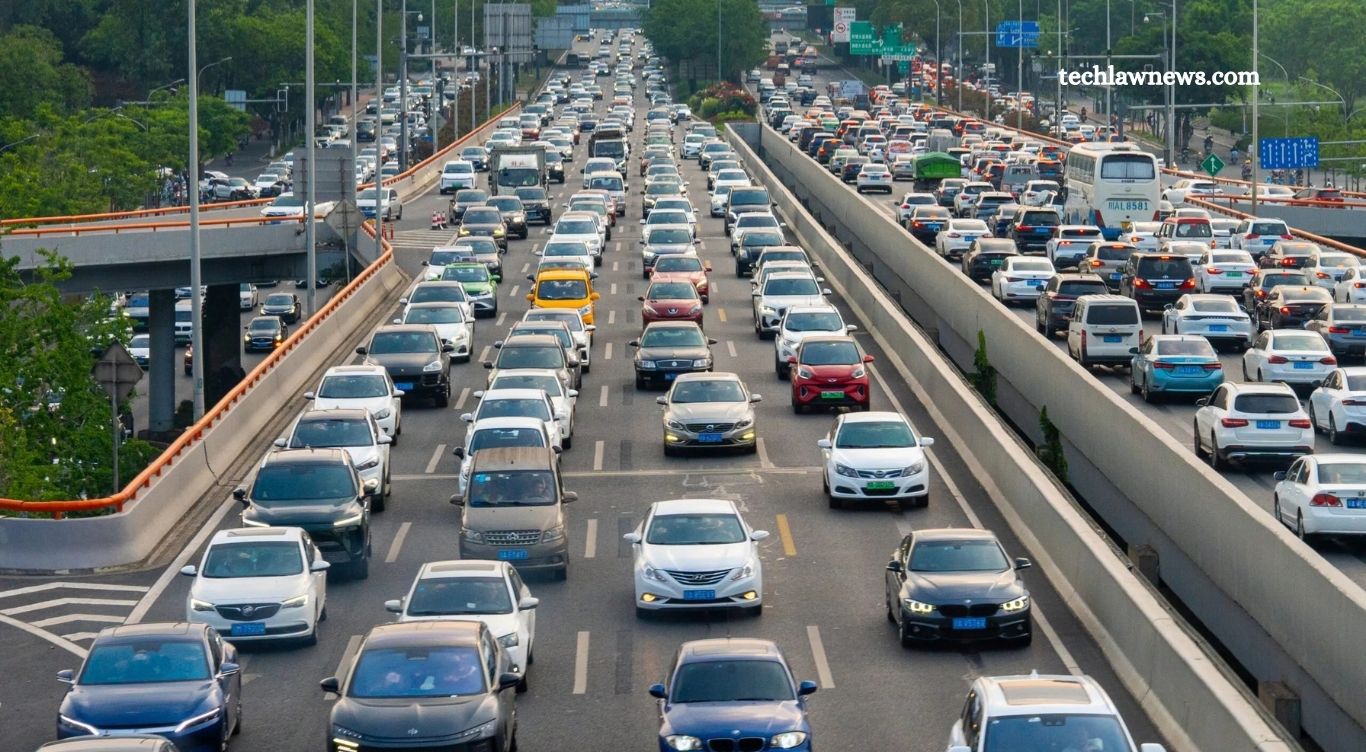
Transport delays have become a growing concern for daily commuters, affecting work schedules, education, business activities, and personal routines. Heavy traffic, public transport disruptions, road construction, vehicle breakdowns, and unexpected accidents can turn a short journey into a stressful experience. As cities continue to grow, transportation systems face increasing pressure to meet the needs of millions of people traveling every day.
For many commuters, reaching their destination on time has become more difficult. Delays not only waste valuable time but also increase travel expenses, reduce productivity, and contribute to mental stress. Understanding the causes of transport delays and exploring practical solutions can help commuters manage their daily journeys more effectively.
Read More: Retail Closures Raise Questions About Changing Consumer Habits
Common Causes of Transport Delays
Traffic congestion remains one of the biggest reasons for transportation delays in urban areas. A growing number of private vehicles, narrow roads, poorly managed intersections, and limited parking spaces often create long queues during peak hours. Morning and evening rush hours are particularly challenging because thousands of people travel to workplaces, schools, colleges, and commercial centers at similar times.
Public transportation services also experience disruptions caused by mechanical problems, staff shortages, overcrowding, and unexpected service interruptions. Road maintenance and construction projects can further slow traffic, especially when alternative routes are unavailable. Even minor accidents can create significant delays when they block busy roads or affect nearby intersections.
How Transport Delays Affect Daily Commuters
Late arrivals can create serious difficulties for employees, students, and business professionals. Workers may miss important meetings, face attendance issues, or struggle to maintain their regular schedules. Students can miss lectures, examinations, and other educational activities. For people who depend on public transportation, an unexpected delay can disrupt several plans throughout the day.
Transport delays also affect personal responsibilities. Parents may arrive late to collect their children, appointments may need to be rescheduled, and family activities can become difficult to manage. When delays happen frequently, commuters may lose confidence in public transportation systems and feel uncertain about how long their daily journeys will take.
Financial Pressure Caused by Travel Disruptions
Unexpected transportation delays can increase daily travel expenses. Commuters may spend extra money on fuel while sitting in traffic, book expensive ride-hailing services, or use alternative transportation to reach their destinations on time. Repeated delays can create a noticeable financial burden, particularly for people who travel long distances or earn limited incomes.
Businesses can also experience financial losses when employees arrive late or deliveries fail to reach their destinations according to schedule. Transport disruptions may affect customer service, supply chains, and operating costs. Reliable transportation is therefore important not only for individual commuters but also for the wider economy.
The Impact of Transport Delays on Mental Well-Being
Long and unpredictable journeys can increase frustration, anxiety, and exhaustion. Commuters often feel stressed when they cannot estimate their arrival times or when delays threaten important commitments. Spending extended periods in crowded buses, packed trains, or congested traffic can make daily travel physically and mentally tiring.
Frequent transportation problems may also reduce the time available for sleep, exercise, family activities, and relaxation. Over time, this pressure can affect work performance and overall quality of life. Improving transport reliability can help create a healthier balance between professional responsibilities and personal well-being.
How Technology Can Help Reduce Travel Delays
Modern technology offers several ways to improve commuting experiences. Navigation applications provide real-time traffic updates, identify road closures, and suggest alternative routes. By checking traffic conditions before leaving home, commuters can make informed decisions and avoid some of the busiest roads.
Public transportation operators can also use digital tracking systems to share accurate arrival times and service updates. Mobile notifications help passengers prepare for unexpected disruptions instead of waiting without information. Smart traffic signals, automated monitoring systems, and data-driven transport planning can further improve traffic management when properly implemented.
However, technology alone cannot eliminate every transportation problem. Effective planning, regular infrastructure maintenance, reliable public services, and cooperation between transport authorities remain essential for achieving long-term improvements.
Practical Ways Commuters Can Manage Delays
Although commuters cannot control every traffic disruption, several practical habits can make daily travel easier. Leaving home earlier during peak hours provides extra time for unexpected problems. Checking traffic reports, public transport schedules, and weather conditions before departure can also help prevent unnecessary stress.
Keeping alternative routes in mind is another useful strategy. Commuters who have access to multiple transportation options may benefit from switching between buses, trains, carpooling, cycling, or walking when appropriate. Sharing rides with colleagues can reduce the number of vehicles on the road while helping participants save money.
Employers can also support workers by offering flexible schedules, remote work opportunities, or reasonable arrangements for occasional transportation disruptions. Such measures can reduce pressure on employees and improve workplace productivity without requiring major changes to existing transportation infrastructure.
The Role of Governments in Improving Transportation
Governments and local authorities play an important role in addressing transport delays. Expanding reliable public transportation, maintaining existing roads, improving traffic signals, and developing safer pedestrian routes can help reduce congestion. Urban planning should also consider population growth, housing developments, employment centers, and the increasing demand for convenient travel.
Investment in buses, rail services, dedicated bus lanes, and integrated transport networks can encourage people to rely less on private vehicles. Better coordination between different transportation services can make journeys more predictable and convenient. Authorities should also provide timely information about road closures, construction work, and service disruptions.
Long-term solutions require consistent investment, effective policies, and regular evaluation of transportation needs. By combining infrastructure improvements with smarter traffic management, cities can create more efficient systems for residents and visitors.
Frequently Asked Questions
What causes transport delays?
Traffic congestion, road construction, accidents, and public transportation disruptions are common causes of transport delays.
How do transport delays affect daily commuters?
They cause late arrivals, increase travel expenses, and create stress for workers and students.
How can commuters reduce travel delays?
Commuters can leave early, check traffic updates, and choose alternative routes.
How does traffic congestion affect productivity?
Traffic congestion wastes valuable time and can cause employees to miss meetings or arrive late.
Can technology help prevent transport delays?
Yes, navigation apps and real-time traffic updates help commuters choose faster routes and plan journeys.
What role do governments play in reducing transport delays?
Governments can improve roads, expand public transportation, and introduce smarter traffic management systems.
How do transport delays affect the environment?
Long traffic queues increase fuel consumption and vehicle emissions, contributing to air pollution.
Conclusion
Transport delays create daily challenges for commuters by increasing travel time, raising expenses, reducing productivity, and causing stress. Traffic congestion, road construction, and public transportation disruptions make regular journeys more difficult. However, better travel planning, modern technology, improved public transportation, and effective traffic management can help reduce these problems.
