

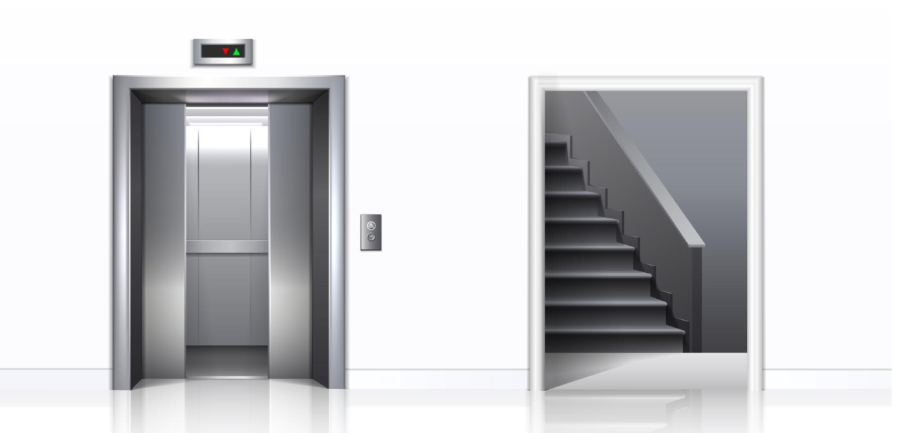
Most people notice an elevator only when a few little malfunctions appear: a late lift, a mid-floor moment, or closing panels that no longer glide cleanly. In modern buildings, where movement is constant and circulation matters, elevators manage large loads and many daily cycles quietly. Until major maintenance or complete elevator replacement becomes unavoidable.
Elevators also mature more quietly than most mechanical systems. A unit may still meet codes and feel largely functional, yet operate long past its most reliable cycle. At that stage, the question shifts from can repairs continue to can they remain cost-effective?
Why elevators eventually need replacement
An elevator is not a mere machine. It is a coordinated, connected system, tied to the building’s structure, safety controls, and communication networks.
Over time, this careful coordination begins to shift and slip. Components wear at mixed rates, older technology becomes costly or completely unsupported, and spare parts slowly disappear from supply chains.
Most elevators operate smoothly for 15 to 25 years. Beyond that, failures become more scattered and less predictable. Repairs may solve short-term issues, but they cannot match the clarity, speed, or stability of original performance. In many aging buildings, systems installed decades ago still rely on control logic and safety standards shaped for a completely different era.
The warning signs are usually gradual
Elevator replacement is rarely triggered by one dramatic failure. More often, it is a pattern.
- Service calls increase.
- Downtime is longer than usual.
- Ride quality changes.
- People begin to notice noise, vibration, or delays.
These complaints are not cosmetic. They reflect mechanical fatigue. Compliance also plays a role. Safety and accessibility expectations evolve. Older elevators may lack:
- Modern emergency communication systems
- Fire service features
- Door protection standards
At some point, upgrades are layered on aging infrastructure, creating complexity without confidence.
Modernization vs. elevator replacement
Modernization aims to extend service life. Controllers, drives, door operators, lighting, and interiors can be replaced while keeping major structural elements intact. This can be effective when the core system remains sound and when space or budget limits broader work.
Elevator replacement takes a different approach. A completely new system is installed within the existing shaft. The advantage is:
- Simplicity
- New controls
- Updated safety logic
- Better efficiency
However, the drawbacks are a higher upfront cost and a longer installation window.
In return, the building no longer carries the limitations of an aging system.
Choosing the right system for the building
Building height provides an initial reference point. Hydraulic elevators remain common in low-rise buildings. Traction elevators dominate mid-rise and high-rise developments across the UAE. Machine room-less traction systems are often chosen where space is restricted, while traditional machine-room systems continue to suit taller buildings with higher travel demands.
Final selection is rarely based solely on height. Traffic patterns, expected wait times, noise tolerance, ride comfort, energy use, and long-term maintenance obligations all influence the outcome.
What changes with a new elevator?
Modern elevators feel different. Movement is smoother. Noise is reduced. Energy use drops. Regenerative drives return power to the building instead of wasting it as heat. Lighting and controls consume less electricity during idle periods.
Safety systems operate quietly in the background. Door sensors react faster. Emergency communication is clearer. Monitoring tools detect issues before they interrupt service. These changes are not dramatic, but they are noticeable over time.
Planning without disrupting daily life
Elevator replacement affects people directly. Good planning matters. Work is often phased out. Schedules are adjusted to limit inconvenience. Clear communication prevents frustration.
Existing buildings introduce constraints. Shaft dimensions, overhead space, and pit depth vary between manufacturers. Early coordination avoids redesigns after contracts are awarded.
Conclusion
Elevator replacement is about reliability, safety, and predictability. When repairs keep systems running but never truly stable, replacement becomes the more responsible option.
In a region built vertically, dependable vertical transport is not a luxury. It is an infrastructure. Planning replacement before failure protects occupants, budgets, and buildings alike.