

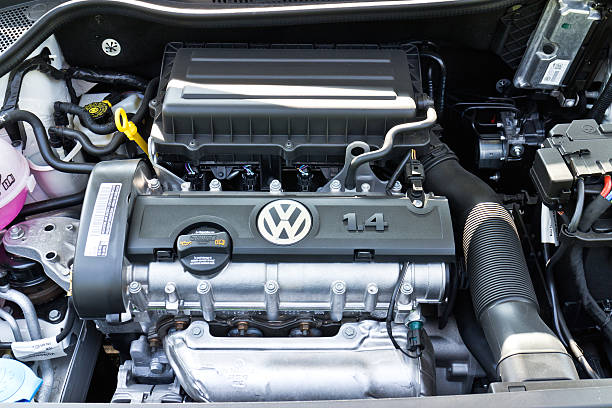
When most drivers think about their car’s air conditioning system, comfort is the first thing that comes to mind. But in reality, the volkswagen ac compressor plays a much bigger role than just keeping your cabin cool. It directly affects your engine’s workload, fuel efficiency, and even the longevity of key mechanical components.
Whether you’re a car enthusiast or a daily driver, understanding how your ac compressor vw influences overall vehicle performance can help you maintain your vehicle better, prevent costly repairs, and improve driving efficiency.
What Does a Volkswagen AC Compressor Actually Do?
The volkswagen ac compressor is the heart of your car’s HVAC (heating, ventilation, and air conditioning) system. Its job is to compress and circulate refrigerant through the AC system, enabling heat to be removed from the cabin.
Here’s a simplified breakdown:
- The compressor pressurizes refrigerant gas
- The refrigerant moves through the condenser and evaporator
- Heat is expelled, and cool air is produced
While this process seems isolated, the compressor is powered directly by your engine via the serpentine belt, which is where performance impact begins.
How the AC Compressor Affects Engine Load
1. Direct Power Draw from the Engine
Your ac compressor vw doesn’t run independently—it relies on engine power. When you turn on the AC:
- The compressor clutch engages
- The engine must work harder to drive the compressor
- RPM may slightly increase to compensate
This additional load can be especially noticeable in:
- Smaller engine Volkswagen models
- Stop-and-go city driving
- Hot weather conditions where AC usage is constant
2. Reduced Acceleration
One of the most common signs of compressor load is slower acceleration when the AC is on.
You may notice:
- Slight hesitation when pressing the accelerator
- Reduced responsiveness during overtaking
- Engine feeling “heavier” under load
This happens because part of the engine’s power is diverted to running the volkswagen ac compressor instead of driving the wheels.
Impact on Fuel Efficiency
1. Increased Fuel Consumption
Running the AC system requires energy—and that energy ultimately comes from fuel. A functioning ac compressor vw can increase fuel consumption by:
- 5% to 20% depending on driving conditions
- More in city traffic than on highways
2. Why It Matters
In modern Volkswagens, engine management systems try to balance performance and efficiency. However:
- Continuous compressor operation = constant engine load
- Higher load = more fuel injected
Over time, this can noticeably affect your fuel economy, especially in hot climates where AC usage is unavoidable.
The Role of the Serpentine Belt System
1. How It All Connects
The volkswagen ac compressor is driven by the serpentine belt—a critical component that also powers:
- Alternator
- Power steering pump
- Water pump (in some models)
This means the compressor is part of a shared mechanical system.
2. Strain on the Belt
A healthy ac compressor vw runs smoothly, but a failing one can:
- Increase resistance in the belt system
- Cause belt slippage
- Lead to squealing noises
3. Risk of Chain-Reaction Failure
If the compressor seizes or becomes excessively tight:
- The serpentine belt can snap
- Other components may stop working
- Engine overheating or battery issues can occur
This is why compressor health is not just about AC performance—it’s about overall engine reliability.
How a Failing Volkswagen AC Compressor Affects Performance
A worn or damaged volkswagen ac compressor can have a much bigger impact than many drivers expect.
1. Engine Drag and Power Loss
A failing compressor often creates extra resistance, forcing the engine to work harder than normal.
Symptoms include:
- Noticeable drop in engine power
- Rough engine operation when AC is on
- Poor throttle response
2. Unusual Noises and Vibrations
When internal components wear out, your ac compressor vw may produce:
- Grinding sounds
- Rattling noises
- Vibrations felt through the engine
These issues don’t just affect comfort—they indicate mechanical stress that can spread to other parts.
3. Increased Wear on Engine Components
A faulty compressor can:
- Put stress on pulleys and bearings
- Accelerate serpentine belt wear
- Affect engine balance and smoothness
Ignoring these signs can lead to more expensive repairs beyond the AC system.
4. Overheating Risks
In some cases, a failing volkswagen ac compressor can indirectly contribute to overheating:
- Extra engine load generates more heat
- Belt issues can affect water pump performance
While not a direct cause, it adds to overall engine stress.
Drive Comfort and Everyday Performance
1. Cabin Comfort Matters More Than You Think
A properly functioning ac compressor vw ensures:
- Consistent cabin temperature
- Reduced humidity
- Better air quality
When the compressor fails, you may experience:
- Weak airflow
- Warm air instead of cool
- Foggy windows due to poor dehumidification
2. Driver Fatigue and Safety
Comfort directly impacts driver focus:
- Excess heat can lead to fatigue
- Poor airflow can make long drives uncomfortable
A healthy volkswagen ac compressor contributes to a safer and more enjoyable driving experience.
Preventive Maintenance Tips
To keep your ac compressor vw and overall vehicle performance in top condition, follow these simple tips:
1. Run Your AC Regularly
Even in colder months, run your AC occasionally to:
- Keep internal components lubricated
- Prevent seals from drying out
2. Check Refrigerant Levels
Low refrigerant can:
- Reduce cooling efficiency
- Cause the compressor to overwork
Regular servicing helps maintain optimal levels.
3. Inspect the Serpentine Belt
Look for:
- Cracks
- Squealing noises
- Loose tension
Since the belt drives the volkswagen ac compressor, keeping it in good condition is essential.
4. Address Issues Early
Don’t ignore:
- Strange noises
- Reduced cooling
- Engine strain when AC is on
Early diagnosis can prevent complete compressor failure.
When Should You Replace Your AC Compressor?
Sometimes, repair isn’t enough. You should consider replacing your volkswagen ac compressor if:
- The compressor has seized
- There’s significant internal damage
- Cooling performance is consistently poor
- The repair cost is close to replacement cost
Replacing a faulty ac compressor vw not only restores cooling but also:
- Improves engine efficiency
- Reduces strain on other components
- Enhances overall driving performance
Why Quality Matters
Not all compressors are created equal. Choosing a high-quality volkswagen ac compressor ensures:
- Better durability
- Smoother operation
- Reduced engine strain
A reliable unit helps maintain both comfort and performance, making it a worthwhile investment.
Final Thoughts
Your volkswagen ac compressor is more than just a comfort feature—it’s an integral part of your vehicle’s mechanical ecosystem. From influencing engine load and fuel efficiency to affecting the serpentine belt system and overall drive quality, its impact is far-reaching.
A well-functioning ac compressor vw keeps your vehicle running smoothly, efficiently, and comfortably. On the other hand, a failing compressor can quietly reduce performance, increase fuel costs, and lead to bigger mechanical issues.
By understanding its role and maintaining it properly, you can ensure your Volkswagen delivers the performance and reliability it was designed for—mile after mile.
