

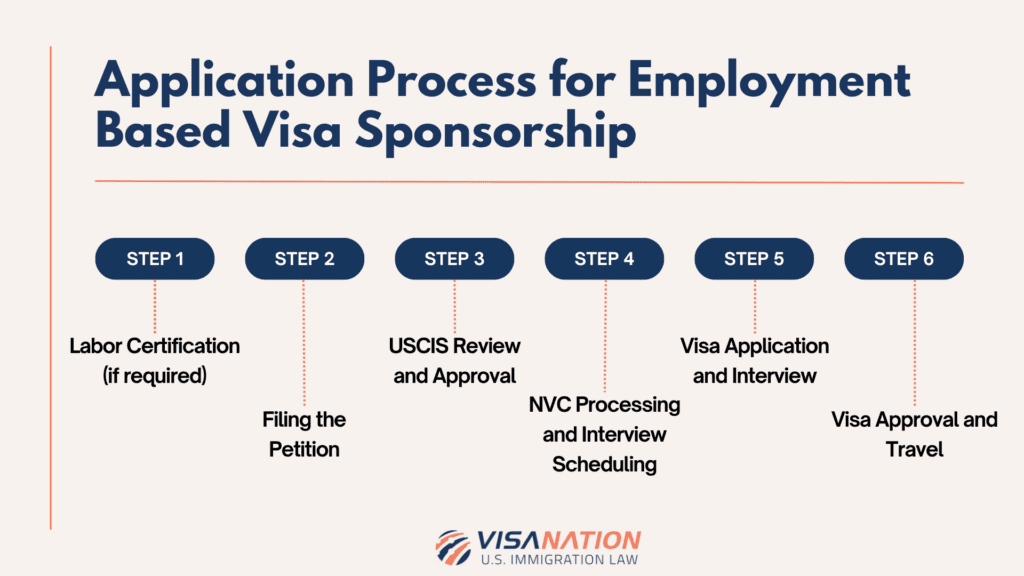
Employer sponsorship can create confusion because it involves two parties with different responsibilities. The employer may think the worker is handling the visa. The worker may think the employer is managing every part of the process. When both sides make assumptions, important duties can be missed.
This matters because sponsorship is not only about lodging an application. It includes sponsor approval, nomination requirements, worker eligibility, visa conditions and ongoing compliance after the visa is granted. Employers who want to sponsor skilled workers generally need to become an approved sponsor or nominator, depending on the visa pathway.
Why Responsibility Should Be Clear From the Start
A sponsored visa process works best when each party understands what they are responsible for. Confusion can delay the application, create compliance risk or damage trust between the employer and worker.
An immigration lawyer advising on work visas maps out the legal obligations that sit with the sponsor, the obligations that sit with the visa holder, and where they overlap.
This clarity is useful before the process begins, not after something goes wrong. It helps the employer understand its business obligations and helps the worker understand personal eligibility, visa conditions and future pathway risks.
What the Employer Usually Manages
The employer is generally responsible for the business and role side of the process. This may include sponsor approval, nomination documents, business evidence, role description, salary information and proof that the nominated position is genuine.
The employer also needs to understand that sponsorship obligations continue after the visa grant. The Department states that sponsorship obligations apply to sponsors and are intended to protect overseas skilled workers and ensure visa programs are used for genuine skill needs.
This means the employer cannot treat sponsorship as a one-time transaction. It must understand record keeping, role changes, employment changes and notification obligations where relevant.
What the Worker Usually Manages
The worker is responsible for personal eligibility. This may include identity documents, qualifications, work history, English requirements, licensing, health checks, character information and previous visa history.
The worker also needs to understand their visa conditions. A sponsored worker may be limited to working in the nominated occupation for the approved sponsor, depending on the visa subclass and conditions attached.
A work visa lawyer can help the worker understand whether the job offer, nominated occupation and long-term plans align. This is especially important if the worker hopes the temporary visa will later support permanent residency.
Where Responsibilities Overlap
Some parts of the process require both parties to work together. The employer may prepare a position description, while the worker provides documents showing they have the skills and experience to perform that role. The employer may confirm salary and duties, while the worker checks whether the role fits their occupation and future visa pathway.
Changes also require cooperation. If the worker receives a promotion, changes duties, moves locations or reduces hours, both sides may need advice. If the employer restructures, sells the business or changes the worker’s role, the visa impact should be reviewed before assumptions are made.
Skilled worker visa lawyers find that most compliance issues arise not from bad intent but from a genuine misunderstanding of who was supposed to do what and when.
Common Mistakes Employers Make
Some employers assume sponsorship is only the worker’s problem. They may ask the worker to organise everything, even though the business must provide sponsor and nomination information.
Others sponsor a worker without understanding ongoing obligations. This can lead to problems if the role changes, the business structure changes or the worker’s employment ends. Some employers also make informal promises about permanent residency without checking whether the pathway is available.
These mistakes can affect both the employer and the worker. A poorly managed sponsorship process can delay recruitment, create compliance problems and place the worker’s visa status under pressure.
Common Mistakes Workers Make
Workers also make mistakes when they assume the employer has everything under control. They may accept a role without checking whether the occupation matches the nomination, whether the employer understands sponsorship, or whether the visa has a realistic pathway to permanent residency.
Some workers do not keep copies of contracts, payslips, position descriptions or correspondence. This can create difficulty later if they need to prove employment history, duties or salary.
An immigration lawyer for work visas can help the worker identify risks before accepting the role or relying on employer promises.
How to Manage the Process Properly
The best approach is to set expectations early. The employer should know what documents and obligations apply. The worker should know what personal evidence is required and what visa conditions may apply after approval.
Both parties should keep written records. This includes employment contracts, role descriptions, salary details, start dates, work locations, payslips, correspondence and any later changes to the position.
A skilled worker visa lawyer can also help both sides understand whether the nominated occupation, role duties and business circumstances support the application before it is lodged.
Conclusion
Employer sponsorship is a shared process, but it is not shared equally in every area. The employer manages the sponsor and nomination side. The worker manages personal eligibility and compliance with visa conditions. Both sides must communicate clearly when duties, salary, location or employment circumstances change.
If either party assumes the other is handling everything, risk can build quietly. Getting advice early can help both the employer and worker understand their responsibilities and manage the sponsorship process with fewer mistakes.