

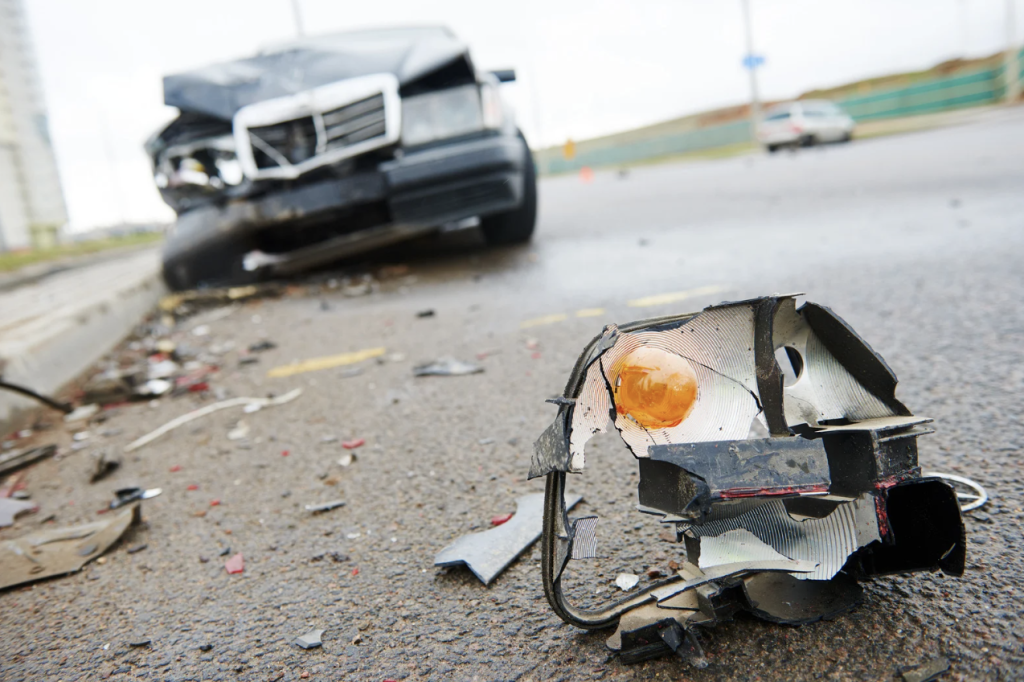
Insurance companies have been using predictive software to evaluate personal injury claims since the late 1990s. The early versions were blunt instruments. Today’s tools are trained on millions of settled cases, factor in dozens of injury and circumstance variables, and generate settlement ranges that adjusters use as internal benchmarks before the injured party has even seen a doctor.
General damages, the non-economic compensation covering pain, suffering, emotional distress, and loss of enjoyment of life, sit at the center of this algorithmic shift. And most injury victims have no idea the technology exists.
Understanding how general damages work and how technology now shapes both sides of the argument is increasingly relevant to anyone navigating a personal injury claim in 2025 or 2026.
What General Damages Actually Cover
General damages are the non-economic losses in a personal injury case. They do not come with a receipt. They represent the human cost of an injury rather than its financial cost.
The main categories include pain and suffering, emotional distress, mental anguish, loss of enjoyment of life, loss of consortium, and, in serious cases, permanent disfigurement or disability. These losses are real and legally compensable, but unlike medical bills or lost wages, they cannot be documented on an invoice. That documentation gap is where technology now plays an active role, on both sides of the claim.
General damages are separate from special damages, which cover quantifiable economic losses like hospital bills, physical therapy costs, and lost wages. Special damages are calculated from records. General damages are argued and negotiated, and the outcome increasingly depends on whose technology produces the more convincing picture of the injured person’s experience.
How Insurance Companies Use Algorithmic Tools to Value General Damages
The most widely used insurance claims management platform in the United States is Colossus, developed by Computer Sciences Corporation and now integrated into multiple major carrier workflows. Colossus takes injury data entered by the adjuster and outputs a settlement range based on historical outcomes for similar claims. It weighs variables including injury type, treatment duration, diagnostic codes, geographic region, and whether the claimant has legal representation.
The Colossus range becomes the adjuster’s internal benchmark. Offers below that range are easy to justify internally. Offers above it require supervisor approval. The injured party never sees the range and has no access to the inputs the adjuster used.
Critics of algorithmic claims valuation, including several state insurance commissioners who investigated Colossus use in the 2000s, have documented that these tools can be configured to systematically reduce general damages outputs by adjusting how injury severity weights are calibrated. When an insurer adjusts the internal weighting for a soft tissue injury downward, every claim involving that injury type generates a lower range across the board.
This is not an abstract regulatory concern. It is the technical mechanism behind why general damages offers in similar injury cases often bear no relationship to the actual experience of the injured person.
Wearable Devices and Biometric Data as General Damages Evidence
Wearable fitness technology has introduced a new category of objective evidence into general damages disputes. Devices like Fitbit, Apple Watch, Garmin, and Whoop track step counts, heart rate patterns, sleep quality, and physical activity levels continuously. When pre-crash data is available for comparison, post-crash biometric records can document measurable declines in physical function that previously relied entirely on the injured person’s subjective account.
A person who averaged 12,000 steps per day and seven hours of quality sleep before a crash, and who shows 4,000 steps per day and fragmented sleep patterns for eight months afterward, has objective data to support a general damages argument for physical limitation and sleep disturbance. This type of evidence does not replace medical records. It supplements them with continuous, timestamped, device-generated data that is harder to challenge than personal testimony alone.
Courts in Texas and several other states have begun accepting wearable device data as admissible evidence in civil cases. The legal standard for authenticating this data is still evolving, but the direction is clear. Biometric records from personal devices are becoming a standard part of the evidentiary toolkit for general damages claims in serious injury cases.
Black Box Data and Dashcam Technology in Liability-Adjacent General Damages Arguments
Event data recorders, commonly called black boxes, are installed in the majority of modern vehicles and record pre-crash speed, braking force, acceleration, and seatbelt status in the seconds before impact. In commercial vehicles governed by Federal Motor Carrier Safety Administration regulations, electronic logging devices capture hours of service, vehicle diagnostics, and GPS location data.
This technology primarily serves liability determination, proving how fast the at-fault vehicle was moving and whether the driver had time to react. But it connects indirectly to general damages by establishing crash severity. A rear-end impact at 45 miles per hour generates a dramatically different injury probability than one at 15 miles per hour. When black box data confirms high-speed impact, it supports the medical evidence for serious injury and strengthens the general damages argument against insurers who characterize the crash as minor.
Dashcam footage serves a similar function. Video of the crash event, vehicle positions, and the immediate aftermath creates a visual record of what the injured person experienced. Courts and juries respond to video evidence in ways that deposition testimony cannot replicate. For general damages, this means a documented crash that looks violent on screen supports higher pain and suffering values than an identical crash with no footage.
The preservation window for both data types is narrow. Black box data can be overwritten within weeks under standard carrier maintenance protocols unless a legal hold is issued. Dashcam files typically overwrite within 72 hours on most devices. Acting within the first week of a crash preserves this technology-generated evidence before it disappears.
Social Media Surveillance and the Risk to General Damages Claims
Insurance carriers and defense attorneys routinely monitor the public social media profiles of personal injury claimants. This is legal, it is standard practice, and it has directly affected the outcome of general damages claims in documented cases across the country.
A claimant reporting debilitating back pain who posts photographs from a hiking trip, tags a location at a sporting event, or shares updates about physical activities inconsistent with reported disability gives the opposing party evidence to challenge the general damages argument. The credibility of the pain and suffering claim depends on consistency between what the injured person reports and what their digital presence shows.
This is not simply a caution about social media hygiene. It reflects a broader shift in how personal injury claims are investigated. Platforms like Instagram, Facebook, and X are public digital records. Technology that aggregates and archives this content means that posts made and later deleted may still be recoverable. Injured claimants who understand this dynamic protect their general damages claim by treating their digital presence as part of the legal record from the moment of injury.
AI Settlement Tools and the Legal Response
The spread of AI-powered claims management technology has prompted a legal response at both the regulatory and litigation levels. Several state attorneys general have investigated whether algorithmic valuation tools violate unfair claims settlement practices acts by systematically producing offers below what documented injuries would support. The results of these investigations have been mixed, but the scrutiny has increased.
Plaintiff attorneys have responded by developing their own data-driven tools for general damages valuation. Platforms like Smartest Settlement and various litigation analytics tools analyze historical verdict and settlement data by jurisdiction, injury type, and carrier behavior to produce ranges that compete with the insurer’s internal Colossus outputs. When both sides enter negotiation with data-backed positions, the gap between the opening offer and the fair resolution narrows.
Sutliff and Stout, a Board Certified personal injury law firm in Houston, recovered a 13.3 million dollar jury verdict in a Harris County case where the insurer’s pre-trial settlement offer was zero dollars. A significant portion of that verdict reflected general damages, the non-economic losses that algorithmic tools are specifically designed to minimize. Understanding how general damages are calculated, challenged, and defended gives injury victims a clearer picture of why early legal involvement changes the technology-driven dynamic they are facing.
The Tech-Forward Future of General Damages Litigation
Several developments in legal technology are likely to reshape general damages disputes further in the next few years.
AI-generated medical record summaries are already being used by both plaintiff and defense firms to process large volumes of clinical documentation faster than human review allows. These summaries can identify treatment gaps, inconsistencies, and patterns that support or undermine general damages arguments at scale.
Remote patient monitoring technology, including continuous glucose monitoring, cardiac event recorders, and chronic pain management devices, generates ongoing clinical data that documents the daily impact of serious injuries in ways that monthly office visits cannot. As this technology becomes more common in post-injury care, it will create new evidentiary categories for general damages that courts will need to address.
Blockchain-based evidence preservation is being explored in several jurisdictions as a way to authenticate digital evidence, including wearable device data, dashcam footage, and social media records, in a format that resists tampering and chain-of-custody challenges. If adopted broadly, this could significantly strengthen the admissibility of technology-generated evidence in general damages disputes.
The underlying legal framework for general damages has not changed. Pain, suffering, and loss of enjoyment of life remain compensable losses in every personal injury jurisdiction. What technology has changed is the evidentiary tools available to document those losses, the algorithmic tools available to minimize them, and the litigation technology available to contest both sides of that dispute.