

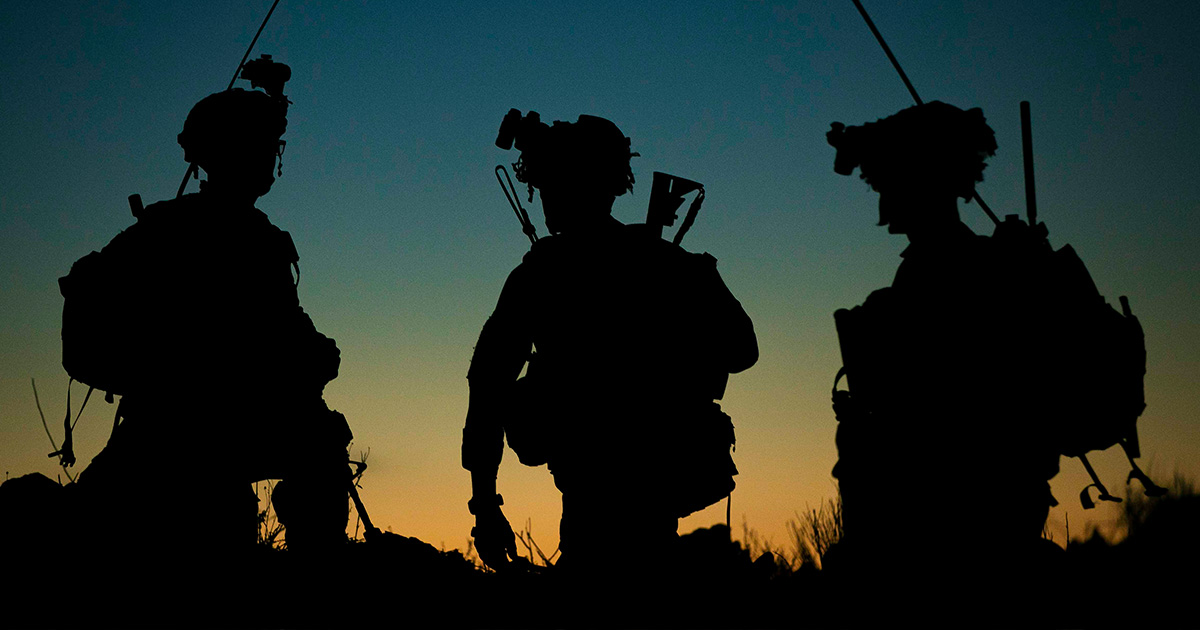
Military discipline has shaped some of the strongest civilian leaders in business, education, healthcare, and public service. The reason is simple. Military systems teach people how to perform under pressure. They teach structure, accountability, and calm decision-making.
These skills work outside the military because people problems stay the same everywhere. Teams still need trust. Deadlines still matter. Stress still affects performance.
Military discipline helps leaders handle all of it with less panic and more control.
Why Military Discipline Transfers So Well
Military life runs on systems. Wake-up times are fixed. Plans are written. Roles are clear. Expectations are direct.
This removes confusion.
In many civilian workplaces, confusion slows everything down. Meetings drag on. Tasks get repeated. Deadlines move. People wait for direction.
Military training attacks those problems early.
According to the U.S. Department of Defense, about 200,000 service members transition into civilian life each year. Many move into leadership positions because employers value reliability, focus, and composure under stress.
A study from Syracuse University’s Institute for Veterans and Military Families found that veterans are more likely to lead teams and manage operations than the average employee. Employers consistently rank veterans high in accountability and teamwork.
That does not happen by accident.
Structure Creates Better Decision-Making
Military discipline teaches people to rely on systems instead of emotion.
One former Army Major described a field exercise where communication systems failed during a large training operation. Trucks arrived late. Supplies were missing. Timelines changed every hour.
“We stopped trying to predict everything,” he said. “We focused on what we could control. Clear assignments. Short updates. Repeated checks.”
The unit recovered quickly because the structure stayed in place even when conditions changed.
That same approach works in civilian leadership.
Good leaders reduce chaos. They create repeatable systems.
Actionable Leadership Systems
Civilian leaders can apply military-style structure immediately:
- Start meetings with written priorities
- Use short deadlines with clear owners
- Review mistakes without personal attacks
- Create checklists for repeat tasks
- End projects with a quick lessons-learned review
These habits reduce wasted time and improve accountability.
Calm Leaders Improve Team Performance
Military environments train people to stay steady under pressure.
That matters because stress spreads fast inside teams.
The American Institute of Stress reports that 83% of U.S. workers experience work-related stress. Stress lowers focus, weakens communication, and increases mistakes.
Military leaders learn early that panic is contagious. Calm is contagious too.
One officer remembered standing inside a command tent during a training exercise while alarms sounded outside. Younger soldiers were rushing around trying to solve three problems at once.
“I slowed my voice down on purpose,” he explained. “The second the room got quieter, people started thinking clearly again.”
That lesson applies everywhere.
Strong civilian leaders do not react emotionally to every problem. They organize the situation first.
Practical Stress-Control Techniques
Leaders can use simple methods to stay calm:
- Pause before responding during conflict
- Write down the next three actions only
- Speak in short, direct sentences
- Focus on facts instead of assumptions
- Avoid solving every problem at once
Calm leadership creates stable teams.
Accountability Builds Trust Faster
Military culture makes accountability visible.
If a task fails, the team reviews it quickly. Nobody hides mistakes for months. Problems are addressed while they are still small.
Gallup research shows that teams with strong accountability systems perform up to 21% better than teams without them.
Civilian workplaces often avoid direct feedback because leaders fear conflict. That creates bigger problems later.
Michael Carrozzo once described a training cycle where one missed equipment check delayed an entire operation. Nobody yelled. The team simply reviewed every step until they found the breakdown.
“It came down to one skipped checklist,” he explained. “After that, nobody skipped it again.”
The lesson was simple. Systems protect teams from repeated mistakes.
How to Build Accountability Without Drama
- Publish goals in writing
- Assign one owner per task
- Review outcomes weekly
- Fix small errors immediately
- Focus on solutions, not blame
Accountability works best when expectations are clear.
Physical Discipline Supports Mental Performance
Military discipline connects physical training with leadership.
That connection matters.
The Centers for Disease Control and Prevention reports that regular exercise improves memory, lowers anxiety, and increases focus.
Many military leaders carry those habits into civilian life because physical training improves mental control.
One veteran joked that he solved most of his work problems during early morning runs.
There is truth behind the joke. Exercise improves mood and reduces stress hormones.
Easy Physical Discipline Habits
Leaders do not need extreme workouts. They need consistency.
Good starting points:
- Walk 30 minutes daily
- Keep a fixed sleep schedule
- Stretch before work
- Take walking meetings when possible
- Avoid sitting for long periods without breaks
Simple physical habits improve mental clarity.
Mission-Focused Leadership Works Better
Military teams focus on the mission first. Personal ego comes second.
That mindset builds stronger teams because people trust leaders who put the group ahead of themselves.
A Deloitte workplace study found that organizations with strong team culture see significantly higher employee engagement and retention.
One former officer explained it simply:
“If the mission succeeded, I gave credit to the team. If it failed, I took responsibility first.”
That approach builds loyalty quickly.
Civilian leaders who chase attention weaken trust. Leaders who protect the team strengthen it.
Why Military Discipline Matters More Today
Modern workplaces move fast. Attention spans are shorter. Distractions are everywhere.
That makes structure even more valuable.
Military discipline offers a proven framework:
- Build routines
- Write plans
- Stay accountable
- Train consistently
- Stay calm under pressure
These habits create leaders who can operate clearly when conditions become difficult.
The goal is not perfection. The goal is reliability.
Strong civilian leaders are rarely the loudest people in the room. They are usually the steadiest.
Military discipline builds that steadiness through repetition.
That is why the lessons continue to work long after service ends.
