

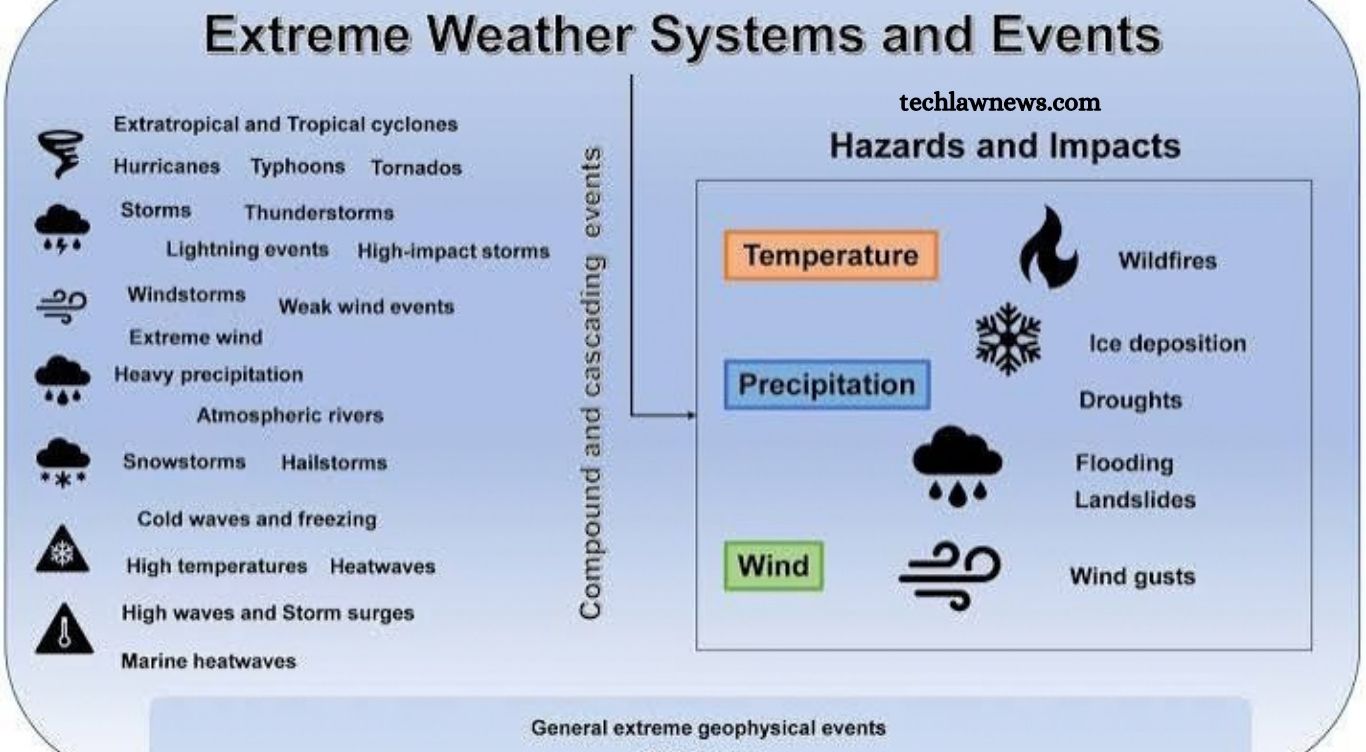
Major weather events are creating growing safety concerns across communities worldwide. Severe storms, heavy rainfall, floods, heatwaves, wildfires, and powerful winds can disrupt daily life, damage infrastructure, and put thousands of people at risk. As weather patterns become more unpredictable, communities face increasing pressure to improve emergency preparedness, strengthen public safety measures, and respond quickly to changing conditions.
Extreme weather can affect homes, transportation systems, electricity supplies, communication networks, and essential public services. Understanding these risks helps individuals, families, and local authorities take practical steps to reduce potential damage and protect lives. From following official weather alerts to preparing emergency supplies, simple precautions can make a significant difference during dangerous conditions.
Read More: Power Supply Changes Could Affect Households and Local Businesses
Understanding the Risks of Major Weather Events
Severe weather can develop quickly, leaving residents with limited time to prepare. Heavy rainfall may cause flash flooding, while thunderstorms can produce lightning, damaging winds, and falling trees. In coastal regions, powerful storms can bring storm surges and dangerous waves that threaten homes and businesses near the shoreline.
Extreme heat and prolonged dry conditions create different challenges. Heatwaves can cause dehydration, heat exhaustion, and other serious health problems, particularly among older adults, young children, and outdoor workers. Dry weather can also increase wildfire risks, allowing fires to spread rapidly through forests, grasslands, and nearby residential areas.
Flooding and Heavy Rainfall Raise Public Safety Concerns
Flooding remains one of the most disruptive consequences of severe weather. Intense rainfall can overwhelm drainage systems, flood roads, damage buildings, and force residents to leave their homes. Areas near rivers, streams, and low-lying land may face additional risks when water levels rise rapidly after prolonged rainfall.
Floodwater can also hide dangerous debris, open drains, damaged roads, and electrical hazards. Walking or driving through flooded areas can put lives at risk, even when the water appears shallow. Residents should avoid flooded routes, follow evacuation instructions, and move toward higher ground when authorities issue warnings.
Strong Storms and High Winds Threaten Communities
Severe storms can cause widespread damage within minutes. Strong winds may tear off roofing materials, break windows, uproot trees, and damage power lines. Thunderstorms can also produce lightning strikes that threaten people outdoors and increase the risk of fires.
Preparation plays an important role in reducing storm-related injuries. Residents should secure outdoor furniture, move loose objects indoors, and stay away from windows during dangerous conditions. When authorities issue severe weather warnings, people should seek shelter inside a sturdy building and avoid exposed areas until the immediate threat has passed.
Extreme Heat Creates Serious Health Risks
Heatwaves can become dangerous when high temperatures continue for several days. Prolonged exposure to heat places additional pressure on the body and can lead to dehydration, heat exhaustion, or potentially life-threatening heatstroke. Urban areas may experience even higher temperatures because roads, buildings, and other surfaces absorb and retain heat.
People can reduce heat-related risks by drinking water regularly, wearing lightweight clothing, limiting strenuous outdoor activities, and staying in cool indoor spaces whenever possible. Families should also check on vulnerable neighbors and relatives during extreme heat. Anyone experiencing confusion, fainting, or other signs of severe heat illness should receive emergency medical assistance.
Wildfires Increase Environmental and Community Dangers
Wildfires can spread rapidly during hot, dry, and windy conditions. Flames may destroy homes, damage forests, threaten wildlife, and force entire communities to evacuate. Smoke can travel considerable distances, reducing visibility and creating breathing difficulties for people with existing respiratory problems and other vulnerable groups.
Residents in wildfire-prone regions should monitor local alerts, prepare evacuation plans, and keep essential supplies ready. Clearing dry vegetation around buildings, following restrictions on outdoor burning, and maintaining accessible evacuation routes can help reduce potential dangers. When officials recommend evacuation, residents should leave promptly rather than wait until flames or smoke approach their homes.
Emergency Preparedness Becomes More Important
Effective preparation can reduce confusion and help families respond more confidently during severe weather. Every household should understand the main weather risks in its area and know where to find reliable emergency information. A clear communication plan also helps family members stay connected when roads close or mobile networks become unreliable.
An emergency kit should include drinking water, nonperishable food, essential medications, a first-aid kit, flashlights, spare batteries, portable phone chargers, and copies of important documents. Families should also identify safe locations, alternative travel routes, and nearby shelters. Reviewing these arrangements regularly helps ensure everyone knows what to do when a warning arrives.
Technology Helps Improve Weather Monitoring and Warnings
Modern forecasting technology allows meteorologists to monitor developing storms, estimate rainfall, track temperature changes, and identify potentially dangerous weather conditions. Weather satellites, radar systems, computer models, and automated monitoring stations provide valuable information that supports emergency planning.
Mobile alerts and official weather applications can help residents receive warnings more quickly. However, forecasts may change as weather systems develop, so people should continue checking trusted sources rather than relying on a single notification. Local authorities also play an important role by communicating evacuation instructions, road closures, shelter locations, and other essential safety information.
Communities Need Stronger Disaster Response Plans
Local governments and emergency services must prepare for a range of weather-related emergencies. Strong disaster response plans include reliable communication systems, accessible evacuation routes, trained emergency personnel, and sufficient resources for vulnerable residents. Regular drills can help communities understand emergency procedures before a major event occurs.
Infrastructure improvements are equally important. Better drainage systems, stronger buildings, improved power networks, and effective flood barriers can reduce the impact of certain hazards. Public education programs can also help residents recognize warning signs and make safer decisions during emergencies. Cooperation between local authorities, healthcare providers, emergency responders, and community organizations strengthens overall resilience.
Climate Patterns and Future Weather Challenges
Long-term climate change is influencing the frequency or intensity of several types of extreme weather, although the effects vary by hazard and region. Scientific assessments show that human-caused warming increases the likelihood and severity of extreme heat in many parts of the world. It can also intensify heavy rainfall in many regions, while drought and wildfire risks depend on local climate conditions, vegetation, and land management.
These challenges highlight the importance of combining emergency preparedness with long-term planning. Governments and communities can reduce future risks by improving early warning systems, protecting natural environments, upgrading vulnerable infrastructure, and developing plans based on local hazard assessments. Better preparation today can help reduce losses and improve public safety during future weather emergencies.
Frequently Asked Questions
What are major weather events?
Major weather events include floods, hurricanes, severe storms, heatwaves, droughts, and wildfires that threaten communities.
Why do major weather events create safety concerns?
They can cause injuries, property damage, power outages, transportation disruptions, and serious health risks.
How can people prepare for severe weather?
People can prepare by monitoring weather alerts, gathering emergency supplies, and creating a family safety plan.
What should people do during flooding?
Avoid flooded roads, move toward higher ground, and follow official evacuation instructions.
How can people stay safe during heatwaves?
Drink plenty of water, stay in cool places, limit outdoor activities, and check on vulnerable individuals.
How does technology help predict dangerous weather?
Weather satellites, radar systems, and forecasting tools help identify developing hazards and deliver timely warnings.
How can communities reduce weather-related risks?
Communities can improve emergency planning, strengthen infrastructure, educate residents, and develop effective disaster response systems.
Conclusion
Major weather events continue to raise safety concerns, threatening lives, damaging infrastructure, and disrupting communities. Floods, severe storms, heatwaves, and wildfires highlight the importance of early warnings, emergency preparedness, and effective disaster management. Staying informed, preparing essential supplies, and following official safety instructions can help individuals reduce risks during dangerous weather conditions.

1 Comment
Pingback: Retail Closures Raise Questions About Changing Consumer Habits - TechLawNews