

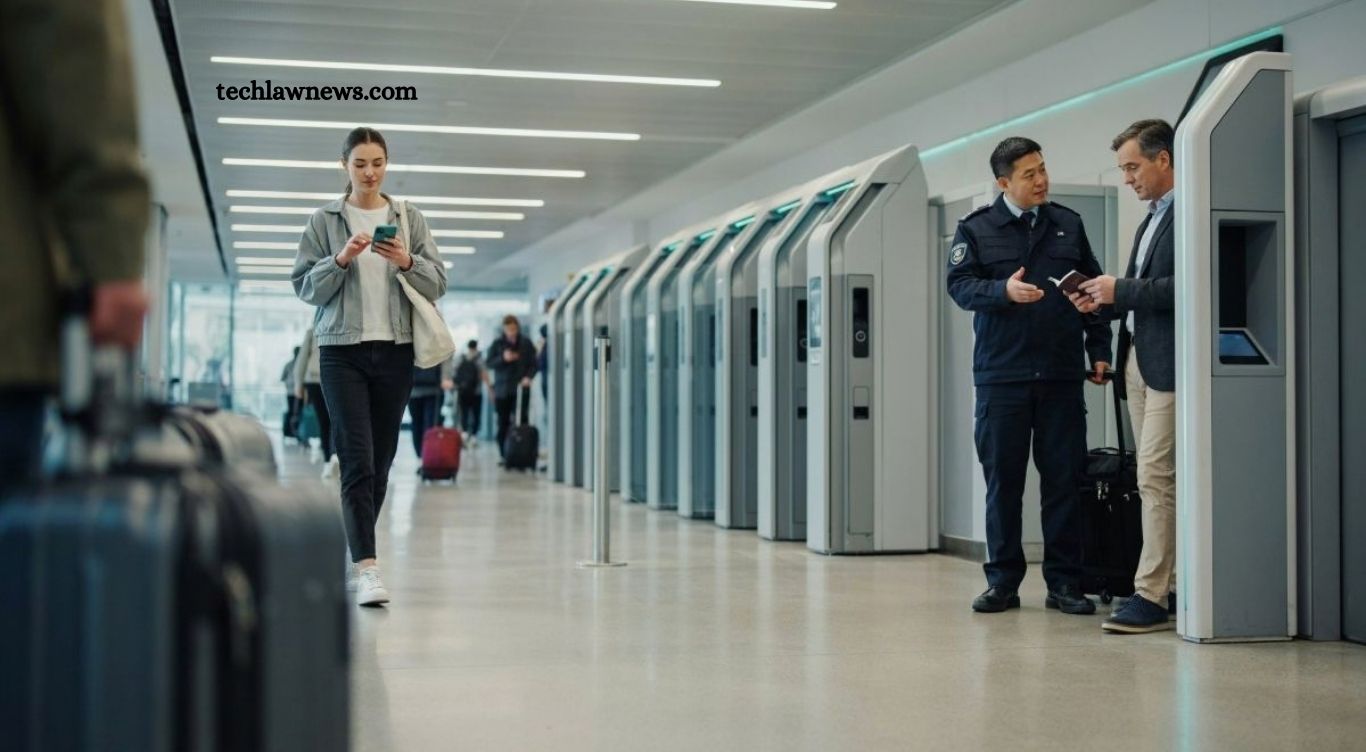
Airport disruptions can quickly turn a carefully planned journey into a stressful experience. Flight delays, cancellations, security issues, severe weather, staffing shortages, and technical problems can affect passengers at almost any stage of travel. As air travel becomes increasingly busy, travelers are paying closer attention to flexible bookings, alternative routes, travel insurance, and real-time flight updates.
Modern passengers now have more tools available to manage unexpected changes. However, preparation remains one of the most effective ways to reduce the impact of airport disruptions. Understanding potential risks before leaving home can help travelers make faster decisions when plans suddenly change.
Read More: Online Casino Terms and Conditions: What Players Should Read First
Why Airport Disruptions Continue to Affect Travelers
Airports depend on complex systems involving airlines, air traffic control, security teams, ground crews, baggage services, and airport operators. A problem in one area can create delays across the entire travel network. Even a short disruption can affect multiple flights because aircraft and crews often operate several scheduled services during the same day.
Weather remains another major factor behind travel interruptions. Heavy rain, snow, strong winds, thunderstorms, and poor visibility can force airlines to delay or cancel flights. During busy travel periods, airports may have limited capacity to recover quickly, leaving passengers facing longer waiting times and missed connections.
Flight Delays Can Change Complete Travel Plans
A delayed flight may appear to be a minor inconvenience, but its impact can extend far beyond the airport. Passengers with connecting flights may have limited time to reach another gate. A significant delay can result in a missed connection, requiring a new booking and potentially an overnight stay.
Travelers should therefore consider the entire journey rather than focusing only on the departure time. When planning a trip, allowing additional time between connecting flights can provide greater flexibility. Direct flights may also reduce the number of potential disruption points, particularly for important journeys.
Flexible Bookings Are Becoming More Valuable
Flexible travel options can provide significant benefits when unexpected disruptions occur. Depending on the airline and fare type, passengers may be able to change their flight without paying substantial fees or may receive alternative travel arrangements following a cancellation.
Travelers should carefully check the conditions attached to their tickets before booking. The cheapest fare may not always provide the best value if changing the itinerary becomes necessary. Comparing flexibility, baggage allowances, cancellation conditions, and rebooking policies can help passengers choose an option that better matches their travel needs.
Real-Time Travel Information Matters
Access to accurate travel information can make a major difference during an airport disruption. Airlines and airports commonly provide flight status updates through websites, mobile applications, email notifications, and text messages.
Passengers should check their flight status before leaving for the airport and continue monitoring updates throughout the journey. Gate changes, boarding adjustments, delays, and cancellations can happen quickly, making reliable notifications particularly useful.
Travelers should also rely on official airline and airport information whenever possible. Social media posts and third-party travel discussions may provide useful context, but official sources should remain the primary reference for flight changes.
Travel Insurance Can Reduce Financial Risk
Travel insurance can provide another layer of protection when disruptions affect a trip. Depending on the policy, coverage may include certain cancellation costs, missed connections, delays, accommodation expenses, or other eligible losses.
Not every policy provides the same protection. Travelers should read the terms carefully and understand which situations qualify for compensation. Weather-related disruptions, airline cancellations, missed connections, and personal itinerary changes can have different coverage conditions.
Purchasing insurance only after a disruption becomes known may also limit available protection. Checking coverage before traveling gives passengers a clearer understanding of their options.
Smart Packing Can Make Delays Easier
Passengers often focus on clothing and destination essentials while preparing for a trip, but disruption planning deserves attention too. Important items should remain in carry-on luggage rather than checked baggage whenever possible.
Travel documents, medication, chargers, power banks where permitted, essential toiletries, valuables, and a change of clothes can be useful during unexpected delays. Keeping these items accessible can make a long airport wait significantly easier.
Passengers traveling with children may also benefit from carrying snacks, entertainment, and essential supplies in their hand luggage. Small preparations can become extremely valuable when flights are delayed for several hours.
Alternative Routes Can Save Time
When a flight is canceled, travelers may immediately focus on the next available flight from the same airport. However, alternative routes can sometimes provide faster solutions.
Passengers should consider nearby airports, different connecting cities, rail connections, or other airlines when circumstances allow. This approach requires flexibility, but it can help travelers reach their destination sooner during major disruptions.
For international journeys, passengers should also consider visa requirements and border rules before choosing an alternative route. A seemingly convenient connection may create additional complications if entry requirements differ.
Passengers Should Understand Their Rights
Air passenger rights vary depending on the country, airline, route, and reason for the disruption. Certain passengers may be entitled to assistance, rebooking, refunds, meals, accommodation, or compensation under applicable regulations.
Travelers should understand the rules that apply to their journey before problems occur. Keeping booking confirmations, boarding passes, receipts, and communication from the airline can also help if a claim needs to be submitted later.
Passengers should avoid assuming that every delay automatically qualifies for compensation. Eligibility can depend on factors such as the cause of the disruption and the regulations governing the specific flight.
Technology Is Changing the Travel Experience
Technology has become an important part of modern travel planning. Mobile boarding passes, digital flight alerts, airport navigation tools, automated check-in, and baggage tracking can help passengers manage journeys more efficiently.
Artificial intelligence and predictive technologies are also increasingly being used across the aviation industry to improve scheduling, operations, and passenger communication. These systems may help airlines identify potential problems earlier and provide travelers with more timely updates.
For passengers, the biggest advantage is access to information. Instead of waiting at an airport information desk, travelers can often receive important updates directly on their phones.
Better Planning Can Reduce Travel Stress
Airport disruptions cannot always be avoided, but their impact can often be reduced through better preparation. Travelers should check flight conditions before departure, allow enough time for airport procedures, keep essential items in carry-on luggage, and understand airline policies.
Having a backup plan is equally important. Knowing which alternative flights, airports, or transportation options could be used gives passengers more confidence when unexpected problems occur.
Travel planning is no longer simply about choosing a destination and booking a flight. Modern travelers increasingly need to consider flexibility, communication, insurance, alternative transportation, and disruption risks as part of the overall journey.
Frequently Asked Questions
What causes airport disruptions?
Airport disruptions can result from severe weather, technical problems, staffing shortages, security issues, air traffic restrictions, or airline operational challenges.
How can passengers prepare for flight delays?
Passengers can prepare by checking flight updates, choosing flexible tickets, allowing extra connection time, carrying essentials, and keeping alternative travel options available.
What should I do if my flight is canceled?
Contact the airline immediately to explore rebooking or refund options. Check alternative flights and keep all travel documents and receipts.
Can travel insurance cover flight disruptions?
Some travel insurance policies cover eligible delays, cancellations, missed connections, accommodation, or additional expenses, depending on policy terms.
Why are flexible flight tickets useful?
Flexible tickets can make it easier to change travel dates or flights when disruptions occur, potentially reducing additional costs.
How can travelers receive airport updates?
Travelers can use airline apps, airport websites, email alerts, text notifications, and official flight-status services for real-time information.
How can passengers reduce travel disruption stress?
Planning backup routes, arriving early, carrying essential items, understanding airline policies, and monitoring flight updates can make disruptions easier to manage.
Conclusion
Airport disruptions can affect even the most carefully planned journey, making preparation an important part of modern travel. Flexible bookings, real-time flight updates, travel insurance, alternative routes, and essential carry-on items can help passengers respond confidently when unexpected problems occur. By planning and staying informed, travelers can reduce stress, manage delays more effectively, and improve their chances of reaching their destinations with minimal disruption.
