

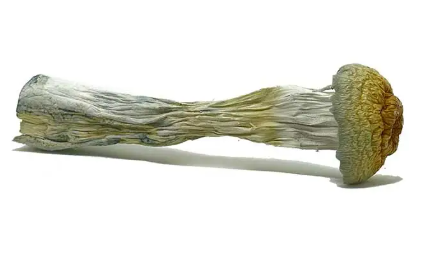
Mushrooms and cannabis are often mentioned together in conversations about alternative products, online retail, and changing consumer interests. Their appearance within the same broader marketplace can sometimes make the two categories seem more closely connected than they actually are. In reality, they come from very different biological sources and involve different compounds, product formats, terminology, and regulatory considerations.
Understanding these differences is useful for anyone browsing an online catalogue that contains both types of products. Instead of treating everything as part of one broad category, consumers can look at each product according to its ingredients, format, classification, and relevant legal framework. This approach also makes product descriptions easier to interpret and reduces confusion caused by overlapping marketing language.
Different Biological Origins
The most fundamental difference between mushrooms and cannabis is their biological origin. Mushrooms belong to the fungal kingdom, while cannabis comes from a group of flowering plants.
Fungi have biological characteristics that distinguish them from plants. They obtain nutrients differently and have their own forms of growth, reproduction, and metabolism. Cannabis, on the other hand, is a plant with its own botanical characteristics and chemical composition.
This distinction matters because the word “mushroom” covers a broad range of fungi, including culinary species, medicinally researched species, and species containing psychoactive compounds. Cannabis products similarly cover a wide range of formats and varieties, but they are derived from cannabis plants.
The different origins also explain why the terminology surrounding the two categories can vary significantly. A mushroom product may be described using species names, extracts, powders, or other fungal terminology, while cannabis products are commonly discussed in terms of cannabinoids, cultivars, flower, concentrates, or formulated products.
Recognising this biological difference provides a useful starting point for understanding the two categories independently.
Different Psychoactive Compounds
Another important distinction involves the compounds associated with psychoactive effects.
Certain mushroom species contain naturally occurring compounds such as psilocybin and psilocin. Cannabis contains a different group of compounds known as cannabinoids, with THC being the cannabinoid most commonly associated with psychoactive effects.
These are chemically different substances, and they should not be treated as interchangeable simply because both may appear in discussions about psychoactive products.
The distinction becomes particularly relevant when reading product descriptions. A product containing mushroom-derived ingredients should be understood according to its own composition rather than being interpreted using terminology associated with cannabis. Likewise, cannabis terminology should not automatically be applied to mushroom products.
Online discussions can sometimes combine terminology from different categories, particularly when retailers carry a broad selection. Looking at the actual ingredients and product descriptions provides a more reliable way to understand what a particular item contains.
For consumers, this means that familiar terms should not be assumed to have the same meaning across categories. The underlying compounds and biological sources remain different even when products are presented within the same online marketplace.
Different Product Formats
Product formats can also make mushrooms and cannabis appear more similar than they are. Both categories can be transformed into a variety of consumer-facing products, but the underlying ingredients and formulations remain distinct.
Mushroom-related products can appear in forms such as dried mushrooms, capsules, chocolates, gummies, candies, powders, or other formulations. For example, readers browsing the Microdose Capsules category may encounter products presented in capsule form, but the category name alone does not provide all the information needed to understand a product’s ingredients or legal status.
Cannabis products may include flower, concentrates, edibles, oils, beverages, or vape products, depending on the applicable market and regulations.
The format can influence how a product is described because each form has different ingredients, packaging considerations, and labelling requirements. A chocolate product, for example, may contain additional ingredients that would not appear in a dried mushroom product.
This is why product format should be treated as one part of the description rather than as an indication that two products belong to the same substance category. Similar packaging or presentation does not necessarily mean similar composition.
Different Regulatory Frameworks in Canada
Mushrooms and cannabis are also subject to different regulatory frameworks in Canada. Their legal classifications should therefore be considered separately rather than assumed to follow the same rules.
Cannabis is regulated under Canada’s cannabis legislation, which establishes a specific framework governing activities involving cannabis. Psilocybin and psilocin, meanwhile, fall under Canada’s controlled-substance framework and have a different legal status.
This distinction is important when evaluating information online:
- Different legal classifications: A product’s presence in an online catalogue does not automatically mean that it is subject to the same rules as another product category.
- Different regulatory systems: Cannabis operates within a dedicated legal framework, while controlled substances involving psilocybin and psilocin are treated differently.
- Jurisdiction matters: Rules can vary between countries and may also depend on the particular substance, product, or activity involved.
- Online availability is not legal proof: Seeing a product listed online should not be interpreted as confirmation that every possible use, possession, sale, or distribution is legally permitted.
Because regulations can change, consumers looking for legal information should rely on current government and regulatory sources rather than assuming that similar-looking products are governed by identical rules.
Why Product Categories Should Not Be Confused
Separating mushroom and cannabis categories helps consumers interpret product information more accurately. When two different substances are grouped together too broadly, important differences in terminology and classification can easily be overlooked.
A product catalogue may place different categories within the same online store for practical reasons. That does not make the products equivalent.
There are several reasons to keep the categories distinct:
- Legal differences: Different substances can have completely different legal classifications.
- Terminology: Terms used to describe mushrooms should not automatically be applied to cannabis, and vice versa.
- Product composition: Similar formats can contain fundamentally different ingredients.
- Research landscapes: Scientific research surrounding particular mushrooms, mushroom compounds, and cannabis compounds involves different bodies of literature and should be evaluated independently.
- Consumer expectations: Understanding the category first makes it easier to interpret the information provided on an individual product page.
This separation is particularly useful in online shopping environments, where attractive packaging and similar product formats can make very different products appear connected.
A category should therefore be understood by its actual contents and classification rather than by its position within a particular online catalogue.
Reading Product Information Responsibly
Reading product information carefully is useful when navigating any specialised online marketplace. The first step is to identify exactly what the product contains and what category it belongs to.
Several details can help provide context:
- Ingredients: Look at the listed ingredients rather than relying solely on the product name or imagery.
- Category-specific information: Terminology should be interpreted according to the substance and product category being discussed.
- Product format: Understand whether the item is a dried product, capsule, edible, flower, concentrate, or another formulation.
- Regulatory information: For questions about legality, possession, sale, or controlled substances, consult authoritative government sources rather than relying on retailer descriptions alone.
Responsible reading also means distinguishing factual product information from promotional language. A description can explain what a product is without making unsupported statements about what it will do.
This approach is especially valuable when browsing a catalogue containing multiple specialised categories. Rather than assuming that all products follow the same rules, consumers can examine each item according to its own ingredients, classification, and applicable regulations.
Conclusion
Mushrooms and cannabis may sometimes appear within the same online retail environment, but they remain fundamentally different categories. They come from different biological sources, contain different compounds, appear in different product formats, and operate under different legal and regulatory frameworks.
Understanding these distinctions makes online product information easier to interpret. Instead of grouping products together based on presentation or marketplace placement, consumers can consider the actual ingredients, terminology, format, and legal context associated with each category.
A clear understanding of these differences ultimately supports more responsible product research. The more accurately mushroom and cannabis categories are separated, the easier it becomes to read product descriptions critically and avoid assumptions based on superficial similarities.
