

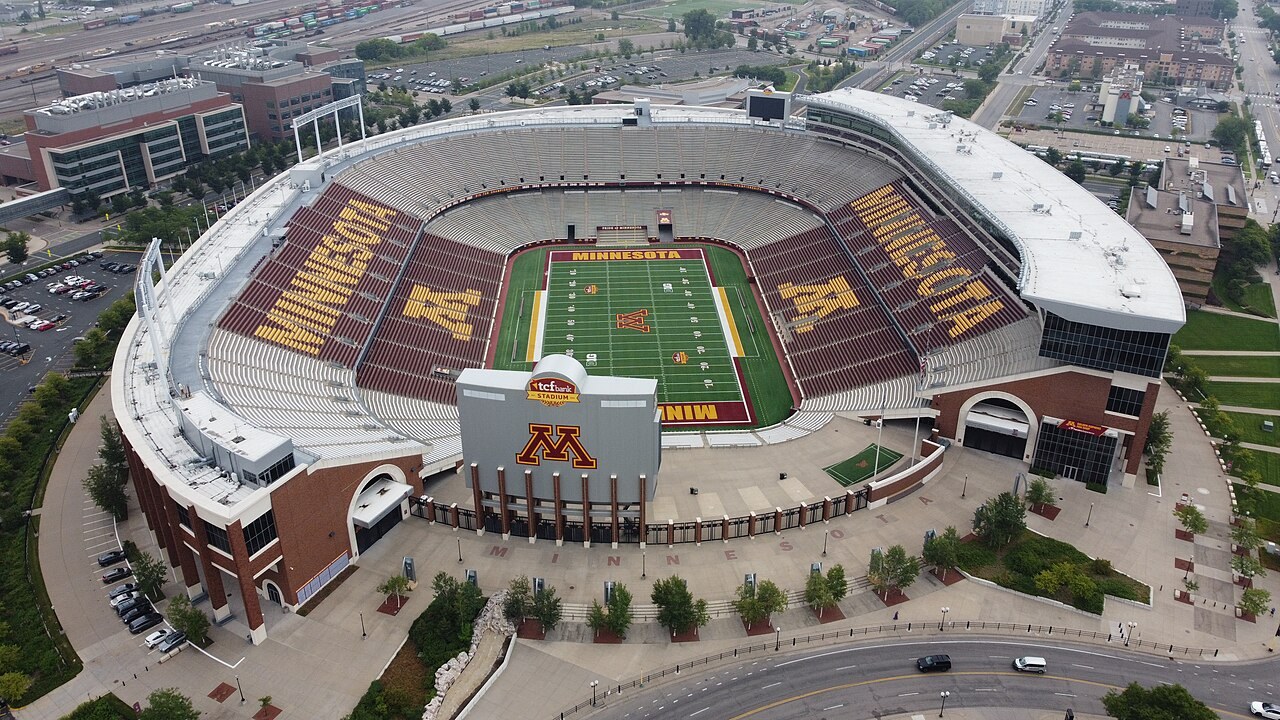
No division in the NFL is currently resisting prediction quite like the NFC North. Green Bay, Detroit, Minnesota and Chicago have spent the season taking turns looking like the class of the group and then handing the impression back, and the standings reflect it: a compressed race where a single Sunday can lift a team from third to first and where the tiebreaker column has become as important as the win column itself.
That compression is structural as much as accidental. All four franchises have invested in the same places — quarterback, offensive line, pass rush — and all four play each other twice, which means the division effectively runs a private round-robin whose results echo twice as loudly. The official picture, updated weekly on the NFL standings page, is essential viewing this season precisely because it keeps being rewritten.
Who Leads, and How Securely
The team currently on top holds its position with the least valuable kind of lead: games, not tiebreakers. Head-to-head results are the first separator when records finish level, and the North’s early-season meetings have scattered those advantages unevenly. A leader that has already lost to its nearest chaser is, in practical terms, level with it; a chaser holding the head-to-head and the better divisional record may actually control its own path more completely than the team above it.
This is why coaches in the division talk about divisional fixtures as counting double. They nearly do. A win over a rival adds to your record, subtracts from theirs, improves your divisional mark and banks the head-to-head — four effects from one afternoon, which is why the next month’s slate of intra-division games will do more to settle this race than anything the teams do against the rest of the league.
The Tiebreaker Ladder, Explained by the Race Itself
Beyond head-to-head and divisional record come common opponents and conference record, and here the North’s scheduling quirks matter. Teams that banked wins against the strong AFC opponents on the shared schedule hold an underappreciated asset. Strength of victory and strength of schedule lurk further down the ladder, too deep to plan for but close enough, in a race this tight, to be worth a nervous glance in December. Standings trackers at ESPN model these permutations weekly, and this year the models keep refusing to separate the four teams with any conviction.
What the Next Month Decides
The coming stretch is heavy with exactly the fixtures that matter: divisional matchups, cold-weather road trips to the northern stadiums, and the point in the calendar where injuries accumulated since September start selecting lineups. Depth, more than star power, tends to decide November in this division. Our sports coverage will be watching the trenches in particular — the North’s races are historically settled by which offensive line is still intact when the weather turns.
The likeliest outcome, honestly assessed, is that this race reaches the final fortnight unresolved, with at least two teams playing for the division and a wild-card place simultaneously. For neutrals, that is the best division in football doing exactly what it should. For the four fanbases living it, the tiebreaker columns are about to become bedtime reading.
The Fans’ Version of the Same Story
Supporters, of course, experience the tiebreaker race rather differently — as a weekly emotional audit in which every other result in the division is watched with the intensity usually reserved for their own team. A rival’s field goal in another city now lands in North fans’ group chats like news from a second front. That is the hidden dividend of parity for the league: four fanbases fully engaged in every remaining fixture, including each other’s. Neutral viewers get a title race; the North gets a month of beautiful, unbearable arithmetic, played out one Sunday at a time.
