

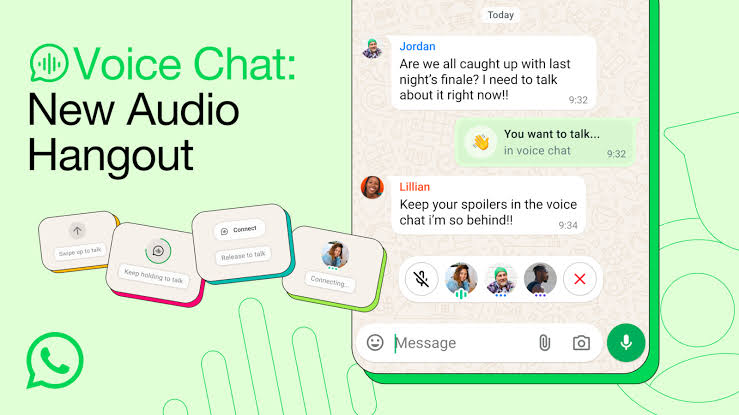
While communication through the internet has changed from simple, text-based forums and forums to dynamic real time audio chat spaces, phone calls and private messages each fulfill their own unique need for personal communication. In the modern age of the internet, however, there is often a need for open, multi-user communication platforms which allow natural and spontaneous conversation. Voice audio brings back humanity, with emotion and inflection that just cannot be communicated through simple text based communications. With the emergence of cellular networks and cell phones, it is possible to engage in real time audio chats between multiple participants, creating virtual community spaces in the form of chat rooms and online coffee shops.
What Is Group Voice Chat and Its Working Principles?
To understand modern social platforms, learning what is group voice chat provides essential context regarding how these platforms manage real-time connections. While conventional phone call involves connection between two individuals, the group audio technology implies a stream from a common server that supports a number of chairs at once. Users take their places depending on certain functions: there are room hosts, who control the platform, speakers who occupy microphone spots, and audience members, who are listening to the discussion. The system ensures the possibility for dozens or hundreds of users to get together in one room without interfering in each other’s words.
Understanding the Inner Workings of Voice Chat Rooms
Learning the inner workings allows understanding of how voice chat rooms function in order to ensure clear sound and low latency even when working globally. Top-notch social apps make use of special audio codecs that help to reduce speech to small packets of data and deliver them in an instant on a cellular or Wi-Fi connection. Hosts of such rooms have easy-to-use controls, which enable them to transfer the microphone, adjust the volume, or silence the background noise of particular speakers. Also, interactive features like digital raising of hands, sidebar text chat, and reaction emojis give listeners non-verbal means of participation without disturbing the main speaker.
The Attraction of Interactive Live Voice Rooms
The attraction of interactive audio lounges lies in their great flexibility and user friendliness. Participating in dedicated live voice rooms allows users to multitask naturally—listening to discussions while cooking, working, commuting, or relaxing at home. Different from video conversations that involve proper positioning and appropriate lighting, live voice rooms free the person from being visually prepared. That is why group audio is especially attractive to shy people who would like to communicate without putting pressure on themselves. In addition, themed channels related to music, games, language learning, or just late-night chit-chatting enable a user to easily find peers with identical interests.
Creating Links Between People through Audio Chat Groups
Developing meaningful online connections calls for digital forums where cooperation, respect, and frequent communication take place. By employing an advanced group audio chat system, friend circles, gaming clans, or international clubs will be able to maintain a constant presence of their virtual community hangout space. Without setting up meetings, members of this community will be able to simply log into their audio chat rooms at any time when they feel free, thus creating the atmosphere of sitting around together in a living room.
Social Audio Understanding for Beginners
In order to participate in digital audio groups effectively, one needs an understanding of how to behave appropriately in such a platform and what safety measures it should have. A beginner who learns about social audio through a simple explanation will realize that having appropriate digital etiquette, such as maintaining silence when not talking and complying with room rules, helps a lot in creating positive interactions. In a robust social audio platform, such etiquette can be enhanced by moderation measures like automated filtering, reporting, and user banning from hosts’ end.