

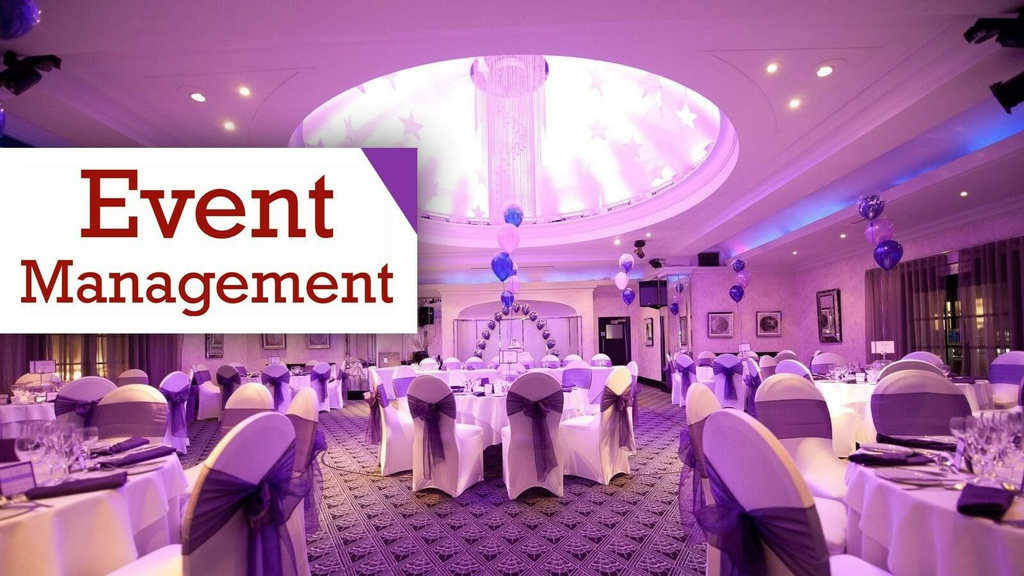
A corporate event is more than a gathering of employees, clients or business partners. It is an opportunity to communicate company values, strengthen professional relationships and create experiences that support business objectives. However, even a well-funded event can fall short when its planning lacks direction. Effective corporate event management Delhi NCR requires a clear purpose, thoughtful coordination and attention to the smallest operational details. From selecting the right venue to managing guest experiences, every decision contributes to the event’s overall success.
1. Start With A Clearly Defined Event Purpose
Every successful corporate event begins with a specific objective. A product launch may aim to attract potential customers, while an annual conference may focus on sharing business developments and future strategies. Employee gatherings, award ceremonies and networking sessions have entirely different requirements.
Defining the purpose helps organisers make practical decisions about the event format, audience, location and schedule. It also prevents unnecessary expenses on activities that do not contribute to the intended outcome.
When the objective is clear, the planning team can create an experience that delivers meaningful value to attendees and the organisation.
2. Understand The Expectations of Attendees
An event should be designed around the people attending it. Employees may appreciate interactive sessions and informal networking opportunities, whereas senior executives and business clients may expect structured discussions and professional arrangements.
Understanding the audience helps organisers select suitable activities, communication methods and hospitality arrangements. Their professional backgrounds, interests and expectations should influence the overall event experience.
Registration forms and pre-event surveys can provide useful insights into dietary requirements, accessibility needs and session preferences. These details make attendees feel considered rather than treated as just another name on the guest list.
3. Select A Venue That Supports The Format
Venue selection influences almost every aspect of event execution. A conference requires appropriate seating, presentation equipment and breakout areas, while an employee celebration may benefit from a more flexible setting. An experienced MICE event planner Delhi NCR can help identify venues that match the event’s purpose and logistical requirements.
Delhi NCR offers several venue options, including business hotels, convention centres, banquet halls and outdoor event spaces. Organisers should evaluate accessibility, parking facilities, accommodation availability and technical infrastructure before making a booking.
The venue capacity should also match the expected attendance. An oversized space can make an event feel poorly attended, while a crowded venue may affect movement and comfort.
4. Build A Realistic Budget Before Booking
Financial planning provides the foundation for controlled event execution. Without a detailed budget, individual expenses can increase unexpectedly and affect other important arrangements.
A practical budget should account for venue rental, catering, accommodation, transportation, audiovisual equipment, stage production, branding and entertainment. Organisers should also reserve a contingency amount for last-minute requirements.
Obtaining quotations from multiple vendors makes it easier to compare costs and service quality. However, the lowest quotation should not automatically determine the final decision. Reliability, experience and delivery standards are equally important. A balanced budget ensures that resources are directed towards elements that genuinely improve the attendee experience.
5. Manage Technology And Technical Requirements
Technology plays an important part in corporate gatherings, particularly conferences, seminars and hybrid events. Sound systems, projectors, LED displays, microphones and internet connectivity must function properly throughout the programme.
Technical rehearsals should take place before attendees arrive. Presentations, videos and other digital materials should be tested in advance to identify compatibility issues. For hybrid events, organisers must consider live streaming quality, virtual attendee access and interaction between physical and online participants.
Having technical support available during the event helps resolve unexpected problems quickly. Even minor equipment failures can interrupt important presentations and affect the professional impression of an organisation.
6. Coordinate Vendors And On-Ground Teams
Corporate events involve several service providers working towards the same deadline. Caterers, decorators, transportation teams, photographers, sound technicians and venue representatives must coordinate their activities.
This is where a professional MICE event planner Delhi NCR can contribute significantly. Experienced planners understand how to manage different vendors, establish timelines and maintain communication between teams.
Each vendor should receive a clear brief covering responsibilities, delivery schedules and service expectations. A central coordination team can monitor progress and address issues before they affect the programme. Proper coordination reduces confusion and allows company representatives to concentrate on their guests rather than operational challenges.
7. Make Branding Part Of The Experience
Corporate branding should be consistent without making the event feel like an extended advertisement. The organisation’s identity can be incorporated through stage backdrops, welcome displays, presentation templates, digital invitations and promotional materials.
Product launches may require demonstration areas, while conferences can use branded information desks and digital displays to reinforce the company’s identity.
The visual elements should complement the venue and event theme. Clear signage also helps attendees identify registration counters, session rooms and hospitality areas. Thoughtful branding creates a recognisable atmosphere while maintaining the professional character of the gathering.
8. Evaluate Performance After The Event
The conclusion of an event should not mark the end of the planning process. Post-event evaluation helps organisations understand whether their objectives were achieved and which areas require improvement.
Attendance figures, participant feedback, engagement levels and budget performance provide useful information. For business conferences, organisers may also examine networking outcomes, qualified leads and follow-up meeting opportunities.
Feedback forms can reveal issues that may not have been visible during the event itself. Discussions with vendors and internal teams can also identify operational improvements for future programmes. Maintaining these records creates a valuable reference for planning subsequent corporate gatherings.
Conclusion
A successful corporate gathering depends on the combined efforts of planning, communication, technical preparation and professional coordination. Each stage, from defining the objective to evaluating the final outcome, influences how attendees experience the event. Effective corporate event management Delhi NCR also ensures that every arrangement supports the organisation’s objectives and attendee expectations.
Businesses organising conferences, incentive programmes, exhibitions and professional gatherings should consider working with experienced event specialists who can manage multiple requirements under one coordinated plan. With its range of travel and event-related services, SKYWINGS can be considered by organisations seeking support for corporate travel and MICE arrangements.
