

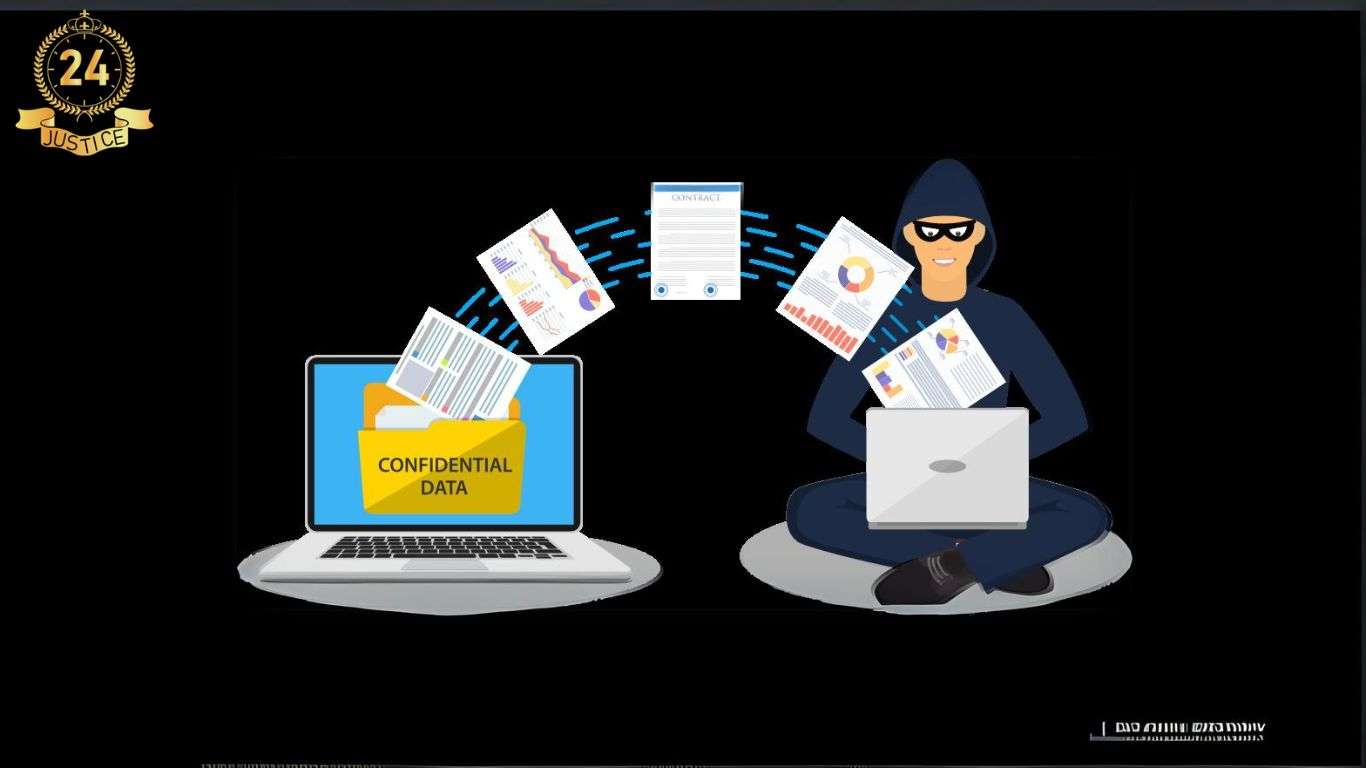
As internet and smartphone use grows across Pakistan, so does the number of people falling victim to online crime. From financial scams and hacked accounts to blackmail and online harassment, cybercrime now affects ordinary citizens, students, professionals, and businesses alike. Many victims feel helpless and unsure whether the law can protect them or how to take the first step. The reality is that Pakistan has a dedicated cybercrime law, and clear legal options exist for those who know how to use them.
Understanding how the law works, and acting quickly, can make the difference between recovering control of a situation and letting it get worse. This guide explains what cybercrime means under Pakistani law, the most common offences people report, and the practical steps a victim should take.
What Counts as Cybercrime in Pakistan
The main law governing online offences in Pakistan is the Prevention of Electronic Crimes Act, 2016, commonly known as PECA. It covers a broad range of offences, including unauthorised access to data and systems (hacking), electronic fraud and forgery, identity theft, online harassment, cyber stalking, and the sharing of private or unlawful content. The law also addresses offences against the dignity and modesty of a person, which is why it is often used in blackmail and harassment cases.
Complaints under PECA are investigated by the Cybercrime Wing of the Federal Investigation Agency (FIA), through its National Response Centre for Cyber Crime (NR3C), and are then prosecuted before the relevant courts. Because these matters involve digital evidence and a specific legal procedure, they are handled differently from ordinary criminal cases.
Common Cybercrimes Reported by Pakistanis
- Online blackmail and extortion: Victims are threatened with the release of private photos, messages, or information unless they pay money or comply with demands. These cases are among the most distressing and need urgent, careful handling.
- Financial and online fraud: Fake investment schemes, banking and OTP scams, and fraudulent online sellers cause serious financial loss to individuals and small businesses.
- Fake profiles and defamation: Impersonation accounts and false posts can quickly damage personal and professional reputations and spread before the victim even notices.
- Hacking and account takeovers: Email, social media, and business accounts are accessed without permission and misused, sometimes to target the victim’s own contacts.
- Cyber stalking and harassment: Repeated, unwanted messages and monitoring across platforms can amount to an offence under PECA.
Cybercrime and Businesses
Cybercrime is not only a personal problem. Businesses in Pakistan increasingly face data breaches, payment fraud, impersonation of their brand, and attacks on their online accounts. For a company, the damage can include financial loss, leaked customer data, and harm to its reputation. Businesses should treat a cyber incident the same way an individual should: preserve evidence, limit further damage, and seek both technical and legal advice quickly.
What to Do If You Become a Victim
- Do not panic or pay. Paying a blackmailer rarely ends the threat and often invites more demands.
- Preserve the evidence. Take clear screenshots of messages, profiles, links, and any transaction details, and note the dates and times.
- Stop engaging. Avoid arguing with or replying to the offender, but do not delete the conversation.
- Secure your accounts. Change passwords, enable two-factor authentication, and check for unauthorised logins.
- Report to the FIA Cybercrime Wing. A complaint can be filed online or at an FIA office along with your evidence.
- Get legal advice early. A lawyer can make sure your complaint is strong and your rights are protected from the start.
How a Lawyer Strengthens Your Case
A well-prepared complaint can be the difference between a case that moves forward and one that stalls. An experienced cybercrime lawyer in Karachi can help you gather and present digital evidence correctly, draft a clear complaint to the FIA, follow up with investigators, and represent you through the proceedings. Legal support is just as important for those who have been wrongly accused, where a lawyer can protect your rights during an FIA inquiry and challenge weak or improperly obtained evidence. In sensitive matters such as blackmail or harassment, having a professional handle the process also helps protect your privacy.
Final Thoughts
Cybercrime can feel overwhelming, but victims in Pakistan are not powerless. With the protections offered under PECA 2016 and the right legal guidance, it is possible to take meaningful action and seek justice. Acting quickly, preserving evidence, and consulting a qualified lawyer are the most important steps. Firms such as Dhamrah Law Firm help individuals and businesses across Pakistan respond to online crime, defend their rights, and move forward with confidence.