

When you follow Brazil across their five World Cup titles, you are not just watching a collection of famous players but a long tactical evolution that rewrites what attacking football looks like on the biggest stage. For viewers who commit to full matches, those finals and key knockout games reveal patterns in shape, pressing, and chance creation that explain why Brazil built a reputation as the benchmark for national-team excellence rather than just a highlight reel machine.
Why Brazil’s Five Titles Matter for Live Match Viewers
Treating Brazil’s five World Cup wins as a single story gives live viewers a framework for understanding how a national team can adapt across eras and still feel recognisably itself. From more direct, improvisational attacking in the early titles to increasingly structured systems in the modern ones, each campaign shows how tactical choices influence the type of chances Brazil create and the way their matches feel when you watch them in real time.
How Brazil Built Their Identity Through World Cup Wins
Brazil’s run of titles from 1958 to 2002 turned them into the only nation with five World Cup trophies, but the key for viewers is how those triumphs forged an identity mixing individual flair with evolving collective structures. When you watch full matches from those campaigns, you see a gradual shift from free-flowing lines of attack to more balanced systems that still leave room for dribblers and playmakers, helping you recognise how Brazil maintain an attacking brand even while adapting to new tactical demands.
Watching the Foundations: 1958 and 1962
In 1958 and 1962, Brazil’s teams combined a flexible back line, creative midfielders, and forwards constantly rotating into pockets, producing a type of attack that felt less rehearsed and more about players reading each other’s movements. When you rewatch those games, look at how often wide players cut inside, full-backs overlap, and central forwards drop deeper, creating passing lanes that lead to shots from central, high-value areas rather than hopeful long-range efforts.
Comparing Early and Later Title-Winning Structures
The early title-winning Brazil sides played with less rigid positional discipline but a strong emphasis on numerical superiority around the ball, while later teams added more defined lines between defence, midfield, and attack. By comparing these eras side by side, viewers can see how the same country shifted from heavy reliance on improvisation to clearer zones and roles, yet still produced high-quality chances that reflected both individual skill and team patterns.
Understanding the 1970 Team as a Viewing Blueprint
Brazil’s 1970 World Cup team is often described as one of the greatest sides ever, and live replays show why: they used a flexible structure that looked like a 4-2-4 or 4-3-3 in different phases, with multiple playmakers drifting into central channels. When you watch full matches, focus on the way midfielders step into wide zones to overload one side, then quickly switch play to a free runner, creating sequences where high-percentage shots feel like the natural end of a carefully constructed attack rather than isolated moments.
The 1994 and 2002 Titles: Balancing Control and Individual Stars
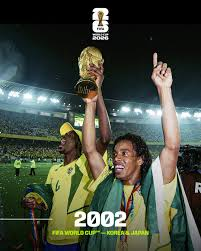
By 1994 and 2002, Brazil’s approach had shifted toward greater defensive stability and clearer lines between units, with forwards and attacking midfielders asked to contribute within more structured systems. For viewers, these campaigns are a lesson in how a team can reduce chaos without losing attacking threat: you see more organised blocks off the ดูบอล goaldaddy., controlled build-up through midfield, and a deliberate focus on creating repeatable routes into the box that generate consistent, high-quality chances.
What Brazil’s Chance Quality Tells You When Watching
Across their title runs, Brazil consistently created high-quality shooting opportunities, even if individual matches showed variance between expected goals and actual goals scored. When you watch, pay attention to where their shots originate, how often they break lines through passes or dribbles before shooting, and whether a period of pressure produces multiple medium-to-high xG chances, as that tells you more about performance than any single goal or miss.
Here is an illustrative table linking typical Brazil title-winning profiles to viewing cues around chance quality and conversion:
| Title era | Typical chance profile | Goals vs chance pattern | What to watch in live matches |
| 1958–1962 | Fewer but high-quality central chances created by dribblers and combinations | Goals often aligned closely with chance quality, with some matches decided by individual brilliance | Track how ball progression funnels into central zones and how often key attackers receive between the lines before shooting. |
| 1970 | Frequent attacks ending with runners arriving in the box, many created by switches of play | Scorelines reflected sustained pressure, though some spectacular long-range goals exaggerated perceived dominance | Watch how Brazil create overloads wide, then switch quickly, and how often late runners arrive free at the edge of the box. |
| 1994–2002 | Mix of controlled build-up and fast transitions, producing both structured and breakaway chances | Some matches show underperformance in front of goal despite strong xG, especially when opponents sit deep | Focus on repeated patterns into channels and box entries, noting when Brazil dominate chance quality even in low-scoring games. |
For viewers, this kind of profile helps you judge Brazil’s performance beyond the final score: you notice whether their attacking structure consistently generates good looks at goal, which is more stable over time than short-term finishing variance. As you apply these cues, you become better at separating matches where Brazil genuinely struggle to create from those where the process is sound but finishing or opponent goalkeeping temporarily skews outcomes.
How Live Viewing Deepens Your Understanding of Brazil’s Greatness
When you ดูบอลสด during Brazil’s major tournament campaigns rather than relying only on highlights, you see how their matches breathe: long stretches of patient possession, sudden bursts of vertical play, and subtle pressing cues that rarely make it into short clips. Full-match viewing reveals which players constantly scan for space, how the back line adjusts to transitions, and how the team manage different game states, giving you a richer sense of why their performances create high chance quality even in tight contests.
Tactical Patterns That Strengthen the Case for Brazil as the Greatest
One reason Brazil’s claim to being the greatest national team holds up under close viewing is the consistency with which they impose attacking ideas across generations, even as formations and personnel change. In their title-winning campaigns, you repeatedly see themes such as full-backs providing width, creative midfielders orchestrating play in central zones, and forwards making coordinated off-ball runs, all of which create recognisable attacking signatures when you watch them across multiple tournaments.
Where the Concept of Brazil’s Greatness Can Mislead Live Viewers
Treating Brazil’s five titles as proof that they always play perfect or dominant football can mislead viewers who only watch occasional knockout games or highlights. Full matches show periods where they struggle to progress the ball, encounter compact low blocks, or see their xG outstrip goals because of finishing issues, reminding you that even historically great teams have flat spells that only make sense when you analyse match flow rather than just trophies and legends.
Summary
For live viewers, Brazil’s five World Cup titles offer a long-term lesson in how a national team can evolve tactically while preserving a clear attacking identity built on consistent chance creation and high technical quality. By watching full matches from these campaigns and focusing on structures, chance patterns, and how performance sometimes diverges from short-term results, you gain a sharper sense of why Brazil are widely regarded as the greatest national team and how to interpret their future performances in real time.
What kind of follow-up article would you like this prompt to generate next: another team’s title history, a single tournament run, or a player-focused viewing guide?