

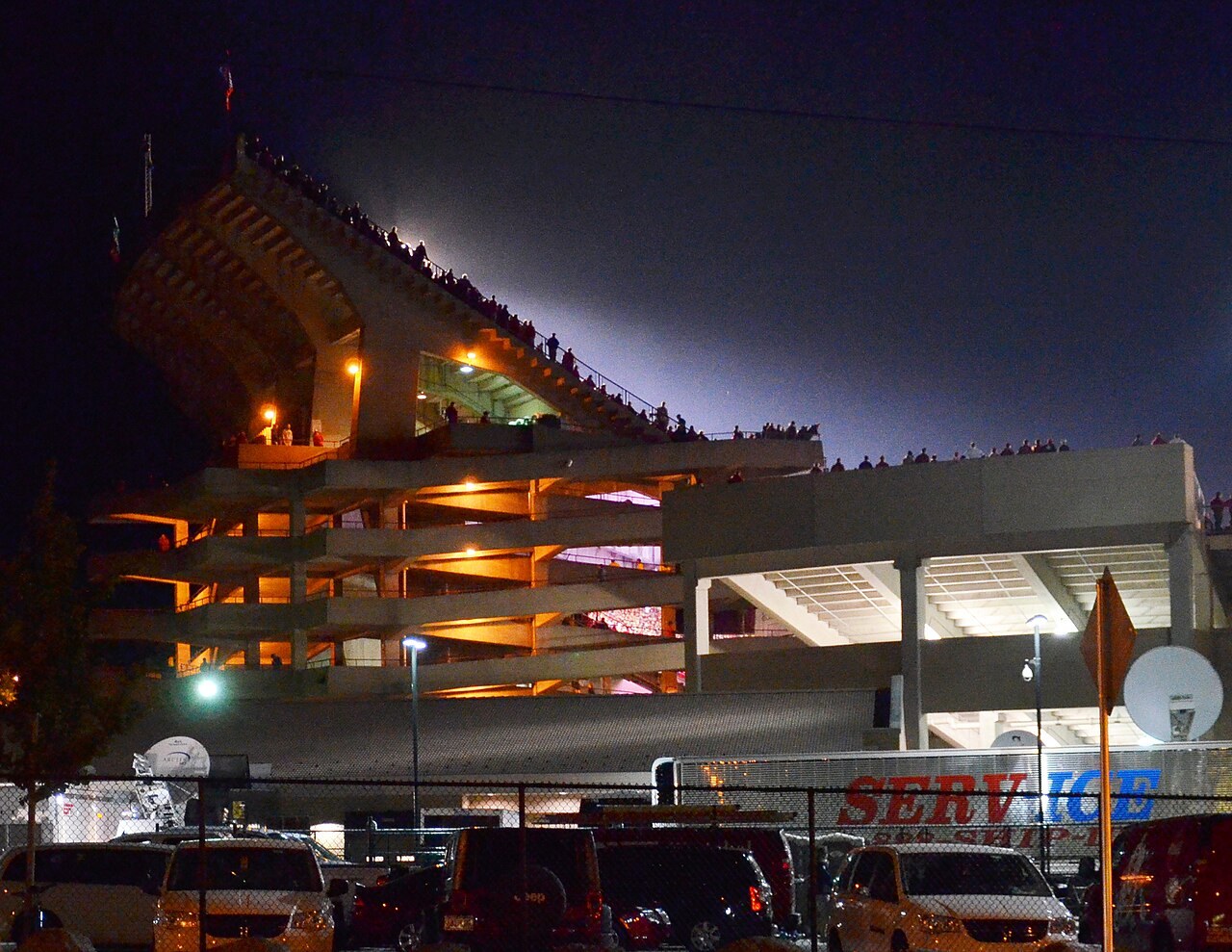
There is a particular pressure reserved for the last game of the week. By the time Monday night arrives, every other result is in, every rival’s fate is known, and the two teams taking the field do so with the entire football audience watching and the standings already rearranged around them. This week’s Monday Night Football matchup carries that pressure in full: playoff positioning, divisional arithmetic and simple pride, all under the brightest lights the regular season offers.
The scheduling quirks shape the week before a ball is kicked. Both teams have had an extra day to prepare — and an extra day for injury reports, press conferences and speculation to swell. The visitors face one of the sport’s genuinely hard assignments, a Monday road game in front of a crowd that has been building all day. Broadcast and scheduling details for the week are listed on the NFL’s official schedule page.
The Battle That Will Decide the Night
Strip away the occasion and the game turns on a familiar contest: whether the defence can slow an offence that has been scoring in clusters, or whether the night opens into a shootout the underdog cannot survive. Primetime games this season have trended toward cagey, low-scoring first halves, with offences probing and defences feeding off the crowd. If that pattern holds again, field position, punting and the occasional special-teams gamble stop being background details and become the plot.
Turnovers deserve their usual billing, with a Monday twist: night games amplify momentum swings, and a single takeaway in front of a primetime crowd has a way of bending the following quarter. The quarterback who protects the ball while still manufacturing one or two explosive plays usually leaves with the win and the interview.
What Is Actually at Stake
For one sideline, this is about seeding — the difference between a home game in January and the road gauntlet nobody wants. For the other, it is about survival: staying inside the wild-card picture and keeping December meaningful. The loser’s week will be spent under questions about whether the season is slipping; the winner gets the short week’s bounce and the friendlier headlines. Playoff permutations are tracked live by ESPN’s NFL coverage, and Monday’s result will move several of them at once.
There is also the intangible stake that players talk about more honestly than coaches: Monday night is an audition in front of peers. Pro Bowl votes, contract narratives and national reputations are shaped disproportionately by these games, because these are the ones everybody in the sport actually watches live. Our sports desk has made the point all season — the standings count Monday like any other game, but nobody inside football treats it that way.
How To Watch It Unfold
Expect a feeling-out first quarter, aggression after half-time adjustments, and a fourth quarter that decides whether the week ends in a statement or a scramble. However it lands, the result will be the one the whole league discusses on Tuesday morning — which is, in the end, exactly what Monday Night Football was built to be.
A neutral’s tip for the evening is to watch the benches as much as the ball. Monday games are won disproportionately by the team whose adjustments after half-time land first — the coverage disguise that finally confuses the quarterback, the protection change that buys the extra half-second, the substitution that freshens a tiring pass rush. Those decisions, made in a twelve-minute interval while the stadium performs for the cameras, are where this fixture will most likely be decided, long before the final drive gives it a headline.
