

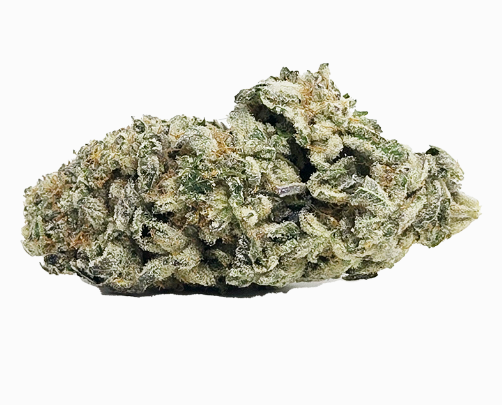
Indica is one of the most familiar terms in cannabis product descriptions. It is commonly used to classify certain cannabis varieties and can help shoppers organise a large selection of flower products. However, the term does not describe every characteristic of an individual cultivar.
Modern cannabis genetics are diverse, with extensive crossbreeding between different lineages. As a result, many products labelled Indica contain complex genetic backgrounds rather than fitting into a simple historical category.
Understanding what the Indica label means, along with the importance of genetics, terpenes, appearance and product descriptions, can make cannabis flower easier to compare. It also helps explain why two products carrying the same broad classification can still have noticeably different profiles.
What Does Indica Mean?
The term Indica has historically been associated with cannabis plants originating from regions of South and Central Asia. Over time, the term became widely used as a broad classification for certain cannabis varieties.
In modern product catalogues, Indica is generally used as a descriptive category rather than a complete scientific explanation of a plant’s genetics. Many contemporary cultivars have been selectively bred from multiple lineages, making the boundaries between traditional categories less straightforward.
The physical characteristics historically associated with Indica-type plants can include shorter, more compact growth and broader leaves. However, individual cultivars can vary considerably because breeding has introduced characteristics from many different genetic backgrounds.
For shoppers, the most useful interpretation is therefore to view Indica as one broad classification within a much larger genetic landscape.
A product labelled Indica can still have its own distinct aroma, appearance, cannabinoid composition and terpene profile. These characteristics should be assessed using the individual product information rather than assuming that every Indica-labelled flower will be identical.
How Indica Genetics Influence Flower Characteristics
Genetics provide the foundation for many characteristics found in cannabis flower. Breeding can combine traits from different parent plants, creating cultivars with distinct appearances, aromas and chemical profiles.
Historically associated Indica genetics may contribute to certain physical characteristics, but modern breeding has created many combinations that blur traditional distinctions.
Flower appearance can vary considerably between cultivars. Some Indica-labelled flowers may produce dense, compact buds, while others can have different structures depending on their genetic background and cultivation conditions.
Colour can also vary. Flowers may appear in different shades of green and can sometimes display contrasting colours depending on genetics and growing conditions.
Aroma is another area where genetic differences become especially noticeable. Different cultivars can produce terpene combinations associated with earthy, woody, fruity, floral, herbal, citrus or spicy notes.
For shoppers exploring Indica strains, these characteristics provide more useful information than the category label alone. The Indica classification can identify the broad product group, while the specific cultivar name, aroma description and cannabinoid information provide additional detail.
This is why understanding genetics is important when comparing individual products. A broad classification gives context, but the individual flower profile reveals what makes one cultivar different from another.
Aroma and Terpene Profiles
Terpenes are naturally occurring aromatic compounds found in cannabis and many other plants. They contribute significantly to the smell of cannabis flower and help create the wide variety of aromatic profiles found across different cultivars.
Indica-labelled flowers can have many different terpene combinations. Some may be described as earthy or woody, while others may have fruity, floral, citrus or herbal characteristics.
There is no single aroma that defines every Indica cultivar. The genetic background of the individual plant plays an important role in determining its terpene composition.
Cultivation and post-harvest handling can also influence aroma. Drying, storage and environmental conditions may affect how strongly particular aromatic characteristics are perceived.
When reading an Indica flower listing, shoppers can therefore pay attention to both the broad classification and the detailed aroma description. A product described as earthy and pine-like may have a very different aromatic profile from another Indica-labelled flower described as sweet and fruity.
This makes terpene information useful for shoppers who already know which aroma families they prefer. It provides another way to compare products without relying entirely on strain names.
Aroma descriptions should still be treated as general guidance because individual perception can vary. What smells strongly citrus-like to one person may be perceived differently by another.
Indica, Sativa and Hybrid Comparisons
Indica, Sativa and Hybrid are commonly presented as three broad cannabis classifications. These categories can make large product catalogues easier to navigate, but they should not be interpreted as complete descriptions of modern cannabis genetics.
Sativa is traditionally associated with different historical genetic lines from Indica. Hybrid refers broadly to cultivars containing genetics from multiple lineages.
Modern breeding has resulted in extensive overlap between these groups. Many cultivars contain genetic contributions from both historically Indica- and Sativa-associated plants.
This means that the classification alone may not explain why two products have different aromas, appearances or cannabinoid profiles.
A more detailed comparison can include:
- Genetic background: The specific cultivar and its lineage can provide more information than the broad category.
- Aroma: Terpene composition can create distinct citrus, fruity, earthy, floral, herbal or spicy profiles.
- Flower structure: Bud size, density and appearance can vary between individual cultivars.
- Cannabinoid information: Product-specific cannabinoid figures can provide additional detail when comparing flowers.
- Cultivation factors: Growing conditions can influence how genetic characteristics appear in the finished flower.
Using these details alongside the Indica, Sativa or Hybrid classification creates a more complete way of understanding a product.
Reading an Indica Product Description
A product description can provide valuable information that is not immediately apparent from the word Indica. Shoppers can examine several details to build a clearer picture of the specific flower.
The cultivar name is an important starting point because it identifies the particular genetic line being offered. From there, aroma and flavour descriptions can reveal more about the sensory profile.
Cannabinoid information can provide another point of comparison. Where available, shoppers can review the listed THC, CBD and other cannabinoid information for the individual product.
Quantity and packaging details are also important when comparing multiple products. Different flower varieties may be offered in different package sizes.
Product descriptions may also mention terpene profiles. These details can help shoppers identify flowers with aromatic characteristics they already enjoy.
A useful product-page checklist includes:
- Cultivar or strain name
- Indica classification
- Quantity
- Cannabinoid information
- Terpene or aroma details
- Flower description
- Available package sizes
- Storage guidance
Looking at these details together provides a more complete understanding of the product than the Indica label alone.
It also makes it easier to compare two products within the same category without assuming that their characteristics will be identical.
Choosing Between Different Indica Flower Profiles
Not all shoppers looking for an Indica-labelled flower will be searching for the same characteristics. Some may be particularly interested in aroma, while others may focus on genetics, appearance or cannabinoid information.
A shopper who prefers earthy and woody aromas can look for descriptions containing those characteristics. Someone who prefers sweeter profiles may instead focus on fruity or floral descriptions.
Genetic familiarity can also play a role. Shoppers who have previously encountered a cultivar they enjoyed may use its genetic information as a reference point when exploring similar products.
However, previous experience with one product does not guarantee that another product with a related name will have exactly the same characteristics. Cultivation, storage and product-specific differences can all influence the final flower.
Comparing multiple product descriptions can therefore be more useful than relying on a single familiar label.
A practical approach is to identify two or three characteristics that matter most, then use those characteristics to narrow down the available products. This keeps the comparison process simple while still considering more than one specification.
Storing and Maintaining Cannabis Flower
Once cannabis flower has been purchased, appropriate storage can help maintain its physical and aromatic characteristics. Indica-labelled flower does not require a completely different storage method from other cannabis flowers, but the same basic environmental principles apply.
Direct light, excessive heat, unsuitable humidity and unnecessary air exposure can all affect stored flower.
A suitable storage routine can include:
- Use an appropriate container: A properly sealed container can help reduce unnecessary exposure to the surrounding environment.
- Protect from light: A dark storage location can help limit prolonged exposure to strong light.
- Avoid excessive heat: Flower should be kept away from radiators, heaters and other sources of intense heat.
- Maintain reasonable humidity: Extreme dryness or excessive moisture can affect the physical condition of the flower.
- Handle carefully: Excessive handling can disturb the surface of the buds and affect their structure.
- Keep it secure: Cannabis should be stored in a location that is inaccessible to children and pets.
Storage is particularly relevant when shoppers purchase more than they intend to use immediately. Maintaining a stable environment can help preserve the product’s appearance, aroma and texture over time.
Following any specific storage instructions supplied with the product is also important.
Conclusion
Indica remains one of the most recognisable classifications in cannabis product catalogues, but the term represents only one part of a much more complex genetic landscape. Modern breeding has created cultivars with diverse genetic backgrounds, aromas, appearances and cannabinoid profiles.
The Indica label can provide a useful starting point when browsing flower, but individual product information offers greater detail. Cultivar names, terpene descriptions, cannabinoid information, quantity and flower characteristics can all help shoppers make meaningful comparisons.
Aroma is particularly useful for distinguishing products because different genetic combinations can produce very different terpene profiles. Earthy, woody, fruity, floral, citrus and herbal notes can all appear within Indica-labelled flowers.
Ultimately, understanding the broader context behind the Indica classification allows shoppers to look beyond a simple category label. By considering genetics and product-specific characteristics together, they can develop a clearer understanding of the diverse flower profiles found within this broad group.
