

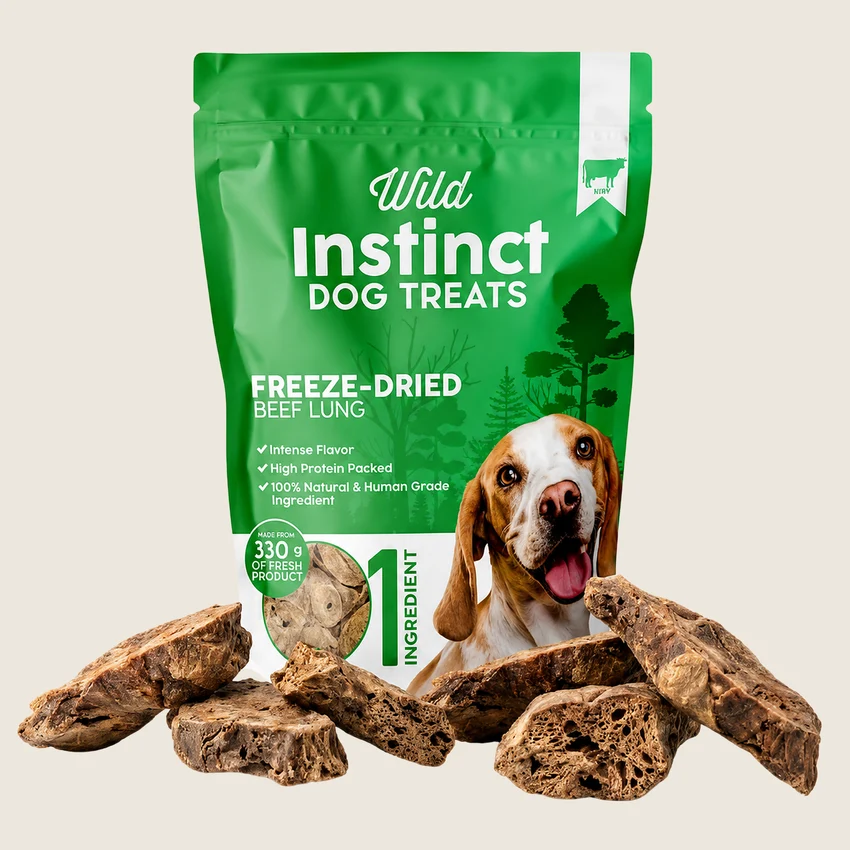
Choosing a dog treat often starts with the ingredient list. Pet parents may prefer treats made from recognizable animal ingredients instead of products with long lists of additions. Wild Instinct Pet offers beef lung treats made from a single animal ingredient, giving dogs a simple option for rewards and training. Beef Lungs for Dogs can also provide protein while offering a light, crunchy texture that many dogs enjoy. Before buying, it helps to check how the lungs are prepared, what else is included, how the treats should be stored, and how much your dog should receive. These details can make a difference in finding a treat that fits your dog’s regular routine.
What Are Beef Lung Dog Treats?
Beef lung treats are made from the lung tissue of cattle. The meat is processed and dried to create a shelf-stable treat with a firm or crunchy texture. Unlike some heavily processed dog treats, beef lung can be offered as a single animal-based ingredient. The natural texture also makes it possible to break some pieces into smaller rewards. Beef lung is generally lighter and more airy than denser organ meats. This can make it useful for pet parents who want a treat that feels substantial to the dog without being especially heavy.
Start With the Ingredient List
The ingredient list is one of the first things worth checking before buying any dog treat. A simple list makes it easier to understand what your dog is eating.A product made primarily from beef lung should clearly identify the ingredient. Extra ingredients may be added for flavor, texture, preservation, or other purposes, so reading the full label gives a better picture of the product.
Look for:
- A clearly named animal ingredient
- A short ingredient list
- No unnecessary fillers
- Clear preparation information
- Feeding instructions
- Storage directions
Wild Instinct Pet takes a simple approach with its beef lung dog treats, using beef lung as the main ingredient rather than combining it with a long list of other ingredients.
How Processing Affects the Treat
Fresh beef lung contains moisture and cannot simply be stored like a dry treat. Processing removes moisture and changes the texture, shelf life, and handling requirements. Dried or freeze-dried beef lung can be easier to keep at home and carry during walks or training sessions. The finished treat is usually much lighter than fresh meat. The preparation method also affects how the treat should be stored. Pet parents should follow the instructions provided on the package instead of assuming that every dried meat product has the same storage requirements.
A few details deserve attention:
- How the meat is dried or processed
- Whether refrigeration is required
- How the package should be sealed
- How long the product should be used after opening
- Whether moisture can affect its texture
Why Texture Matters for Dogs
Dogs have different chewing habits. Some enjoy crunchy treats, while others prefer softer food that is easier to chew. Beef lung tends to have a light, airy texture after drying. Depending on the size and preparation, pieces can often be broken into smaller portions.
This makes the treat useful for several situations:
- Training rewards
- Short obedience sessions
- Occasional snacks
- Enrichment activities
- Rewards after walks
- Food toppers when suitable
Pet parents should still consider their dog’s age and chewing ability. Puppies, senior dogs, and dogs with dental problems may need treats with a softer texture or smaller pieces.
What Nutrients Does Beef Lung Provide?
Beef lung contains protein and naturally occurring nutrients, although its nutritional profile differs from other organ meats such as liver. The exact nutritional value of a finished treat depends on the ingredient and processing method. Drying removes much of the moisture, so nutrients become more concentrated by weight compared with fresh lung.
A dog treat should not be viewed as a replacement for complete dog food. Dogs need a balanced combination of nutrients that a single organ meat cannot provide on its own. Treats work best as a smaller part of the daily diet. The amount given should also take into account the dog’s size, activity level, age, and regular food.
Portion Size Is Still Important
A treat may have a simple ingredient list, but that does not mean a dog should receive unlimited amounts. Treats contribute calories and should fit within the dog’s overall daily intake. Start with small pieces, especially if your dog has not eaten beef lung before. This gives you an opportunity to see how your dog responds to the new food.
Keep these habits in place:
- Follow the package feeding recommendations.
- Break larger pieces into smaller training rewards.
- Avoid replacing regular meals with treats.
- Watch for digestive changes after introducing a new food.
- Speak with your veterinarian if your dog has special dietary needs.
Portion control is especially useful during training, where a dog may receive many small rewards in a single session.
Using Beef Lung During Training
A good training treat should be easy to handle and appealing enough to keep the dog’s attention. Dried beef lung can work well for pet parents who prefer an animal-based reward with a crunchy texture. Larger pieces can sometimes be broken into smaller bites. This allows a trainer to reward several behaviors without giving a large amount of food at once.
Beef lung can be used for:
- Basic command training
- Recall practice
- Leash training
- Crate training
- Reinforcing calm behavior
- Rewarding positive responses
Wild Instinct Pet offers beef lung treats that can be used as rewards during training and everyday interactions. The simple ingredient approach can also make it easier for pet parents to understand what they are giving their dogs.
Check the Product Before Buying
The front of a package may show the type of meat and the general purpose of the treat, but the details on the label are more useful for making a decision.
Before buying Beef Lungs for Dogs, check:
Ingredients: Make sure the main ingredient is clearly identified.
Processing: Find out how the beef lung has been dried or otherwise prepared.
Texture: Consider whether the pieces suit your dog’s chewing ability.
Nutrition: Review the available guaranteed analysis and calorie information.
Storage: Follow the package’s instructions after opening.
Serving size: Check whether the manufacturer provides guidance based on dog size.
A clear label can also help pet parents compare different treats without relying only on packaging claims.
Simple Ingredients Can Make Treat Choices Easier
Some pet parents prefer treats with fewer ingredients because they can quickly see what the product contains. This can be especially useful for households that keep close track of everything their dog eats. A single-ingredient treat does not automatically suit every dog. Individual tolerance still matters, and dogs with allergies or veterinary dietary restrictions may need a more specific feeding plan. Wild Instinct Pet keeps its beef lung treat centered on the animal ingredient, offering a straightforward option for pet parents who prefer a simple treat format.
Keep Treats Separate From the Main Diet
Treats are meant to complement a dog’s regular food rather than replace it. A complete and balanced dog food should provide the broad range of nutrients needed for daily nutrition. Beef lung can add variety and provide an appealing reward, but it should remain a limited part of the feeding routine.
Pet parents should pay particular attention to treats if their dog:
- Has a food allergy or sensitivity
- Follows a veterinary diet
- Needs controlled calorie intake
- Has difficulty chewing
- Is still a young puppy
A veterinarian can provide individual guidance for dogs with specific nutritional or medical needs.
A Practical Option for Rewards
Beef Lungs for Dogs can be a useful choice for pet parents who want a dried animal-based treat with a light, crunchy texture. The ingredient list, preparation method, storage requirements, and feeding guidance are all worth checking before making a purchase. A simple product can also be easier to use throughout the day. Small pieces can serve as training rewards, while larger pieces may work as occasional treats or enrichment options. The main goal is not to give a dog as many treats as possible. It is to choose an option that fits the dog’s diet, preferences, and daily routine. Wild Instinct Pet provides a straightforward beef lung treat option for pet parents who prefer an animal-based ingredient and simple treat format.
