

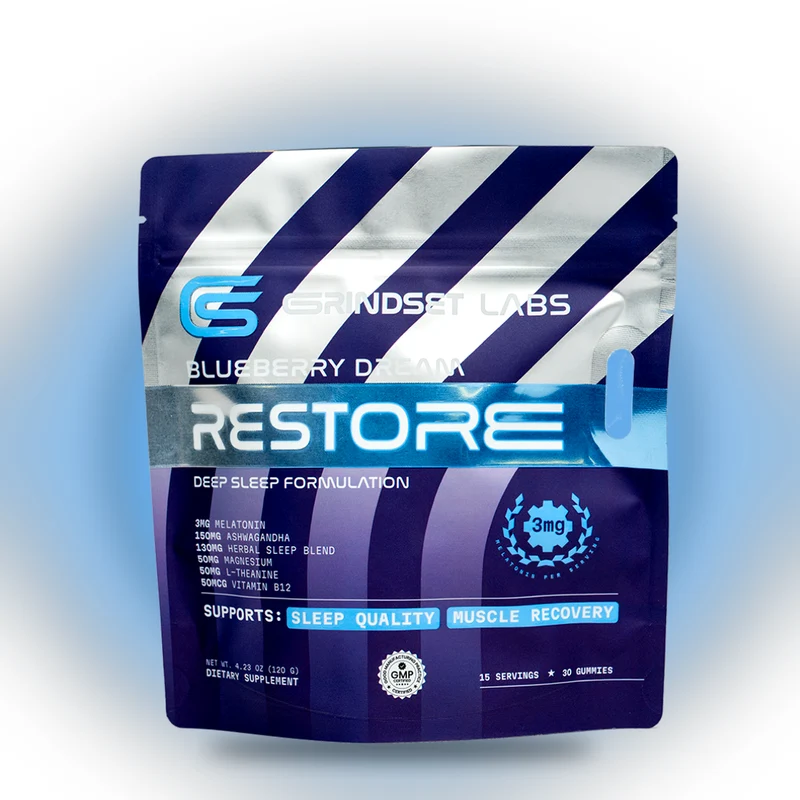
Sore muscles used to mean a protein shake, a foam roller, and waiting it out. Now the recovery aisle is full of gummies claiming to cut soreness in half and get you back in the gym faster. Some of that is backed by real ingredients doing real work. A lot of it is sugar and marketing dressed up in a convenient chewable format.
Before you Buy Recovery Gummies, it helps to know what’s actually happening inside your muscles after a hard session, and whether a gummy can do anything meaningful about it.
What Muscle Recovery Actually Involves
Soreness after training, the kind that peaks 24 to 48 hours later, comes from microscopic tears in muscle fibers caused by mechanical stress, especially during eccentric movements like lowering a squat or controlling a bicep curl. The body responds with inflammation, which sounds negative but is actually the repair process starting. Immune cells clear out damaged tissue, and satellite cells help rebuild the fibers stronger than before.
This process needs a few specific inputs to run efficiently: amino acids to rebuild protein structures, adequate hydration, certain micronutrients that regulate inflammation, and rest. Recovery gummies work, when they work, by supplying a piece of that puzzle in a format that’s easier to take consistently than a powder or pill.
Ingredients That Have Real Research Behind Them
Tart cherry extract shows up in a lot of recovery formulas, and it has some of the better data supporting it. Trials on runners and strength athletes using tart cherry juice or extract around intense training report less muscle soreness and faster strength recovery, likely due to its anthocyanin content, which has anti-inflammatory properties. The effective dose in most studies is equivalent to about 8 ounces of concentrated tart cherry juice, so a gummy needs a meaningful extract concentration to match that.
BCAAs (branched-chain amino acids), specifically leucine, isoleucine, and valine, support muscle protein synthesis and may reduce the perception of soreness after training. The catch is dosage. Effective BCAA research generally uses 5 to 10 grams per serving, an amount that’s difficult to fit into a gummy format without needing to eat a dozen of them.
Magnesium plays a role in muscle relaxation and nerve function, and low magnesium levels are linked to increased cramping and slower recovery. A gummy with a reasonable magnesium dose, in the range of 100 to 200 mg, can genuinely help, particularly for people who don’t get enough through diet.
Turmeric/curcumin has anti-inflammatory properties studied for exercise-induced muscle damage, though curcumin on its own absorbs poorly. Formulas that pair it with black pepper extract (piperine) or a bioavailable form show better results in research than turmeric alone.
Where Gummies Fall Short
The format that makes gummies appealing, easy to chew, pleasant tasting, no water needed, is the same thing that limits their dosing. Fitting a clinically relevant amount of an ingredient like BCAAs or tart cherry extract into a gummy the size of a vitamin often means the manufacturer either uses a smaller-than-effective dose, or you need to eat several gummies per serving to hit the number that matches research.
Sugar content is the other trade-off. Gummies need a base of sugar or sugar alcohols to hold their shape and texture, so a serving can carry 4 to 8 grams of added sugar. That’s not disqualifying for occasional use, but it’s worth accounting for if recovery gummies become a daily habit stacked on top of other sugar sources in your diet.
What the Research Actually Shows
Individual ingredients like tart cherry and magnesium have decent trial support for reducing soreness and supporting recovery markers. What’s thinner is direct research on gummy-format delivery specifically, since most studies use juice, capsules, or powder. That doesn’t mean gummies can’t work, it means the ingredient matters more than the format, and checking that the gummy actually contains a dose close to what studies used is the difference between a product that helps and one that’s mostly flavored sugar.
Reading the Label Before You Buy
A gummy worth buying lists specific amounts for its active ingredients rather than hiding behind a “recovery blend” name. Checking for tart cherry extract measured in milligrams (and ideally standardized to a percentage of anthocyanins), a real magnesium dose, and minimal added sugar per serving separates a formula built around function from one built around flavor.
Serving size matters too. If a label suggests two gummies per serving but the effective research dose would require six, the product is underdosed for the ingredient it’s advertising.
Do They Replace the Basics
Gummies, even well-formulated ones, sit on top of the fundamentals rather than replacing them. Sleep is still the single biggest factor in how fast muscle repairs itself, since growth hormone release and much of the repair process happen during deep sleep stages. Protein intake across the day, hydration, and simply allowing 48 hours before hitting the same muscle group again do more for recovery than any supplement format.
Recovery gummies work best as a supporting piece, not a substitute, for a lifter who’s already handling sleep, protein, and training load sensibly. For someone skipping those basics, no amount of tart cherry extract in gummy form is going to compensate.
Making the Call
Recovery gummies aren’t a gimmick across the board, but they’re not automatically effective either. The ingredients with real research behind them, tart cherry extract, magnesium, properly dosed curcumin, can genuinely support the recovery process when a formula includes them at levels close to what studies use. Checking the label for exact doses, rather than trusting a “recovery blend” name, is what separates a gummy worth adding to a routine from one that’s mostly sugar with a health claim attached.
