

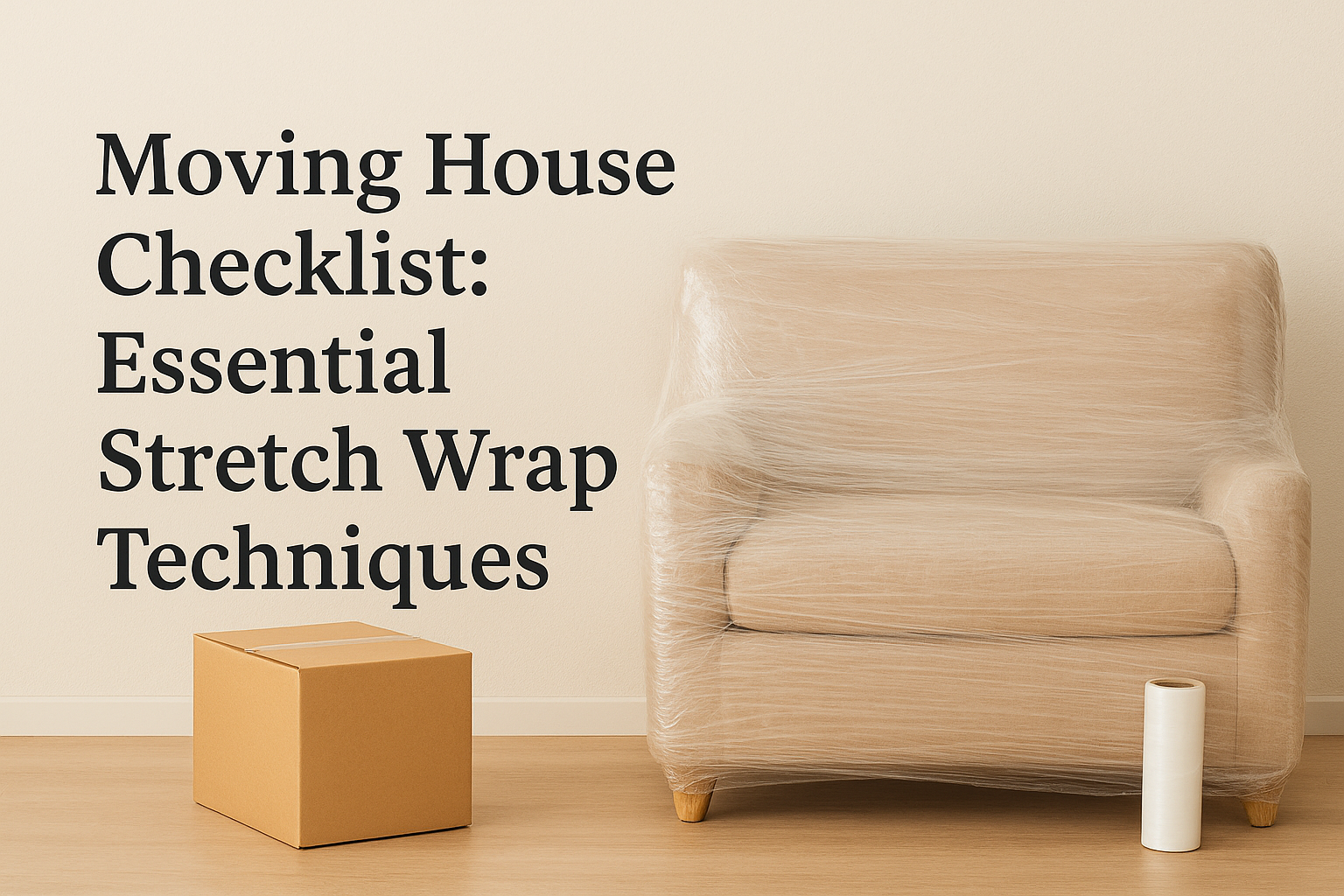
Moving to a new home is often equal parts excitement and chaos. Between packing, labeling, and loading, it’s easy for things to get misplaced or damaged in transit. One simple tool that can make the entire process smoother and safer is stretch wrap — the transparent, flexible film often used in shipping and warehousing. When used correctly, it becomes an essential part of any moving checklist, protecting furniture, securing boxes, and simplifying organization.
Why Stretch Wrap Belongs in Every Move
Stretch wrap isn’t just for industrial use. It’s lightweight, inexpensive, and incredibly versatile — ideal for households looking to move efficiently. Its elastic cling allows it to hold objects together tightly without the need for adhesives or tape. For fragile furniture, awkward shapes, or bundles of smaller items, stretch wrap acts as a secure barrier against scratches, dust, and shifting during transport.
Many varieties are available, including standard clear film, heavy-duty industrial rolls, and pre-stretched options that require less effort to apply. While warehouse versions are designed for pallets, smaller consumer rolls are perfect for home movers looking to pack furniture, electronics, or kitchenware safely.
Wrapping Furniture and Large Items
One of the best uses of stretch wrap during a move is for protecting bulky furniture. Chairs, tables, and dressers are easily scuffed when sliding in and out of trucks or across tight doorways. By wrapping these pieces snugly, you create a thin but durable layer of protection.
Start by cleaning and drying each surface before wrapping — dust or moisture can trap grit that might scratch the finish. For items with drawers or doors, close them securely and wrap the entire piece several times around to hold everything in place. Sofas and mattresses benefit from a few extra layers to keep fabric clean and free of dust during transit.
Because stretch wrap clings to itself, you don’t need tape or ties to seal it. This makes unwrapping quick and mess-free once you’ve arrived at your new home.
Securing Boxes and Loose Items
Even when boxes are sealed, they can shift and collapse during the move. Wrapping multiple boxes together stabilizes the load and prevents stacks from toppling over. It’s especially useful for lighter boxes filled with fragile or oddly shaped items that don’t stack evenly.
You can also use smaller sections of wrap to group similar items — for example, utensils, cords, or pairs of shoes. Instead of searching through dozens of boxes later, you’ll have tidy bundles that are easier to unpack and organize.
Protecting Fragile and Delicate Surfaces
Glass tables, mirrors, and artwork require special attention. A good technique is to first wrap them in soft padding such as blankets or bubble wrap, then apply stretch film around the outside to keep everything firmly in place. This layered approach prevents the inner padding from slipping and adds an extra layer of impact resistance.
Stretch wrap also prevents dirt and moisture from seeping into delicate surfaces, making it a helpful barrier during unpredictable weather or long-distance moves.
Organizing and Labeling Efficiently
Stretch wrap can also make labeling and organization easier. Transparent film lets you see what’s underneath, so you can spot items without tearing open boxes. Some movers apply color-coded labels or stickers on top of wrapped items to identify which room they belong to — a simple step that saves time during unloading.
For electronics or cables, wrapping each device with its corresponding cords helps keep everything together, reducing the frustration of tangled wires once you start setting up again.
Choosing the Right Type of Wrap
There are different types of stretch wrap suited to different needs. Thicker industrial-grade rolls provide better protection for furniture and large items, while narrower rolls are ideal for small bundles or appliances. Pre-stretched versions save effort, as they require less pulling to achieve tension, making them more ergonomic for household use.
When buying, it’s worth considering the film’s width, gauge (thickness), and whether you prefer handles for easier application. Having one or two rolls on hand — a wide one for furniture and a narrow one for small items — usually covers most moving needs.
A Small Step That Prevents Big Problems
Packing a home is always a balancing act between speed and care. Stretch wrap may seem like a minor detail, but it often saves time, reduces damage, and keeps belongings organized throughout the move. It’s flexible enough to adapt to different shapes and strong enough to hold everything together under stress.
For anyone planning a move — whether across town or across the country — mastering a few simple stretch wrap techniques can make the process far more efficient. It’s a quiet hero of relocation: transparent, reliable, and surprisingly indispensable once you’ve used it.