

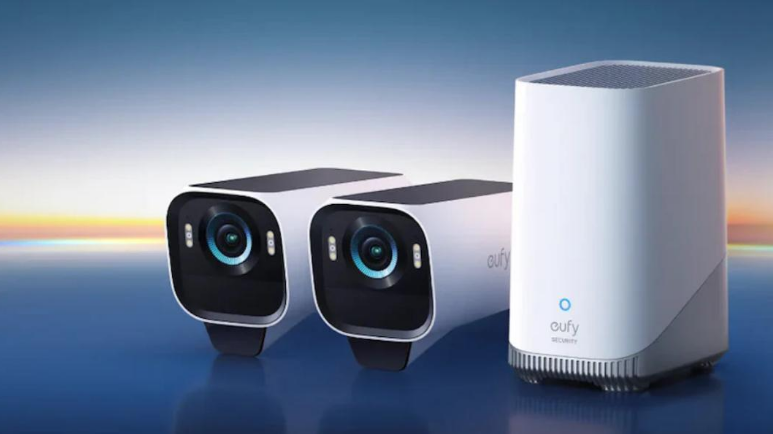
Security cameras play a crucial role in safeguarding what matters most—your home or business. Selecting the right camera ensures comprehensive protection and peace of mind. With numerous options available, understanding the essentials can simplify your decision-making process. This guide breaks down important aspects such as key features, smart integrations, and budget considerations, ensuring you make an informed choice tailored to your specific security needs. By focusing on performance and functionality, you can choose a camera that not only fits your budget but also provides long-term security for your property.
Understand Your Security Needs
Identifying your security needs is the first step in choosing the right camera. Consider the size and layout of the area you need to secure. If you’re covering a large property or multiple angles, multiple cameras or one with a wide field of view might be necessary. Determine if you require indoor or outdoor cameras—outdoor cameras need to withstand various weather conditions. Evaluate if you need extra features like night vision or motion detection based on your security concerns. Residential setups might need fewer complex features than a business with high traffic or sensitive information. Understanding your specific requirements narrows down the options, making it easier to choose the best security camera.
Key Features to Look for in a Security Camera
The security cameras come with a wide range of features. Prioritize what matters most to you for efficient performance. Essential features include video resolution for clear capture, field of view for comprehensive coverage, night vision for 24/7 surveillance, and audio capabilities for interaction and alerts. Choosing cameras equipped with these features ensures your security system meets your needs efficiently.
Video Resolution and Quality
Video resolution significantly impacts the clarity of footage. Most cameras offer resolutions like 1080p or 4K. Higher resolution ensures sharp images and detailed faces or objects, essential for identifying intruders or collecting evidence. However, higher resolution may require more bandwidth and storage, so balance this with your network and storage capacity. Consider models offering adjustable resolution to save storage space when high definition isn’t necessary. Remember, quality footage facilitates better monitoring and reliability during incidents.
Field of View
The field of view determines how much area the camera can cover. A wider field of view, often provided by lenses offering 120 degrees or more, minimizes blind spots, ideal for large spaces. Indoor cameras usually cover smaller areas, while outdoor models may require flexible focus and wide angles. Some cameras offer pan and tilt functionalities, allowing you to adjust views remotely. Choose based on your specific layout to ensure comprehensive surveillance without needing multiple cameras.

Night Vision Capabilities
Excellent night vision is critical for round-the-clock security. Infrared (IR) LEDs enable cameras to capture images in low light or darkness. Check the camera’s night vision range and clarity. Some advanced models include color night vision, which provides more detail compared to traditional black-and-white footage. Evaluate where you need these capabilities—entrances, driveways, and dark indoor areas are common spots requiring effective nighttime monitoring. Choose footage quality that remains clear under various lighting conditions.
Audio Functions: Two-Way Talk and Alerts
Audio capabilities enhance security by enabling communication and alert functions. Two-way talk allows interaction with visitors or potential intruders, adding a proactive security layer. Consider whether you need loudspeakers or sensitivity-adjustable microphones for environments prone to noise. Alert systems notify you of detected activities, often through apps, creating real-time engagement with your security system. These features are invaluable in situations requiring immediate intervention or response.
Smart Features That Make a Difference
Smart features elevate security cameras from basic monitoring tools to advanced devices, providing significant convenience and functionality. Key smart features include AI detection, storage flexibility, and smart home integration. Incorporating these technologies ensures your security system adapts to evolving needs, providing comprehensive security solutions.
AI Detection
AI detection capabilities enable cameras to distinguish between faces, pets, and packages, reducing false alarms and enhancing security accuracy. Facial recognition helps identify known individuals, alerting you to unidentified persons. Package detection notifies you when deliveries arrive, avoiding theft. Pet detection monitors your pets’ activities, ensuring their safety while preventing unnecessary alerts. These intelligent functions personalize and refine your security system’s effectiveness, aligning with unique requirements.
Cloud and Local Storage Options
Storage choices affect how footage is archived and accessed. Cloud storage permits remote access from anywhere, but may incur monthly fees. It’s essential for users needing off-site backup. Local storage uses SD cards or network video recorders (NVRs), ideal for those preferring immediate or private access to footage. Consider hybrid solutions offering both options for flexible and secure storage management. Evaluate costs, accessibility, and security when selecting storage solutions.
Smart Home Compatibility
Integration with smart home ecosystems streamlines operations and enhances security. Cameras compatible with systems like Alexa, Google Home, or Apple HomeKit can interact with other smart devices, consolidating controls within a single platform. Automating functions, like triggering lights when motion is detected, provides additional deterrence and convenience. Ensure the camera’s compatibility aligns with your current or planned smart home setup for seamless operation.
Budget and Long-Term Value
Balancing budget with long-term value ensures a sustainable security investment. Compare upfront costs with potential subscription fees for smart features or cloud storage. Evaluate the quality and longevity of hardware—spending slightly more on reliable brands may reduce replacement frequency. Factor in warranty and customer support availability, which can add immense value. Aim for a security camera that fits your budget while providing maximum effectiveness and durability over time.
Conclusion
Selecting a security camera involves careful evaluation of necessary features, smart capabilities, and budget considerations. Understanding your security needs and prioritizing essential attributes ensures you choose a solution that offers effective protection. By investing in intelligent features and durable models, your security system can adapt to evolving requirements, providing peace of mind. Embrace these guidelines to secure an efficient, comprehensive, and reliable safety system for your home or business.