

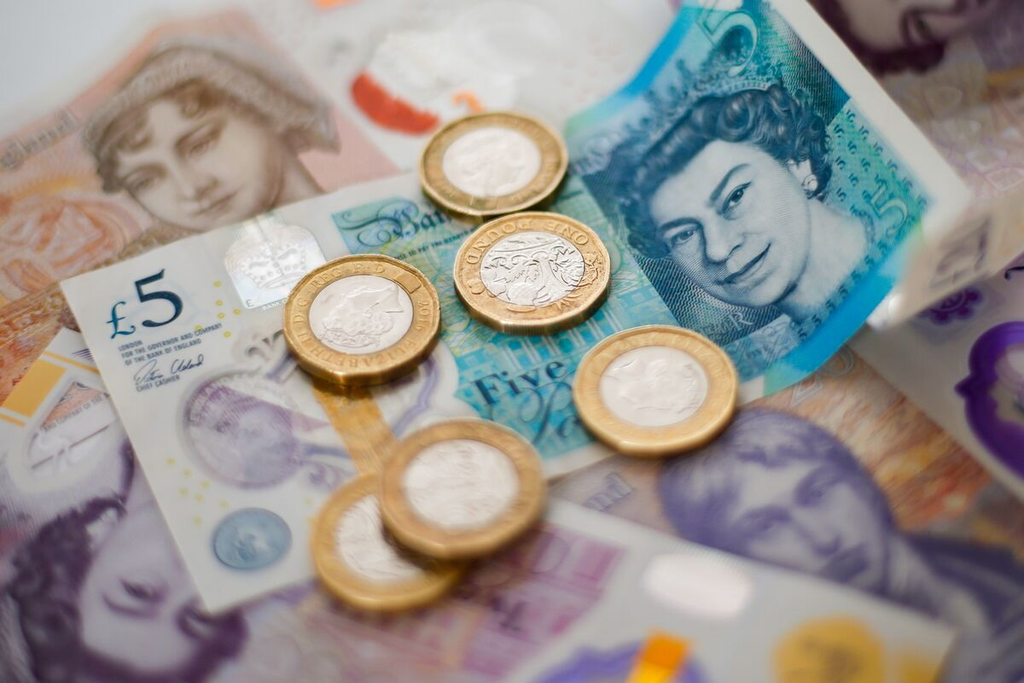
Imagine preparing for an overseas trip and realising that you still need physical pounds for airport expenses, local transport, or last-minute purchases. Finding time to visit a currency exchange counter can make travel preparation more complicated than expected. This is why GBP cash delivery has become a useful option for people who prefer arranging their currency before leaving home. It allows customers to organise their cash requirements in advance and have the money delivered to a specified address, subject to the provider’s service conditions.
Why Physical Currency Still Matters
Digital payments have changed the way people manage everyday purchases, but physical cash continues to serve an important purpose during travel. Not every shop, transport provider, or small business accepts cards or mobile payments. In certain situations, having banknotes readily available can make transactions easier.
Cash can be particularly useful for small purchases, local markets, tips, public transport, and places where card facilities are limited. It can also provide an alternative when payment terminals experience technical problems or internet connectivity becomes unreliable.
Keeping a reasonable amount of physical currency alongside digital payment options gives travellers greater flexibility. The objective is not to depend entirely on cash but to ensure that essential expenses can be covered in different situations.
The Convenience of Ordering Currency From Home
Travel preparation often involves several responsibilities, including arranging accommodation, confirming flights, checking documents, and organising transport. Adding another journey to visit a currency exchange branch may not always fit into a busy schedule.
Home delivery simplifies this part of the preparation process. Customers can explore available currency options, review exchange rates, and place an order online without travelling to a physical location.
Depending on the provider, the order can be delivered to a residential or business address. This arrangement can be particularly helpful for people with demanding work schedules, families preparing for holidays, and travellers who live away from major exchange centres.
Understanding The GBP Ordering Process
Ordering pounds through an online currency service generally begins with selecting the required amount. Customers can then review the applicable exchange rate and calculate the total cost in their payment currency.
After checking the transaction details, they provide the necessary delivery information and complete the payment process. The provider then prepares the order according to its verification and fulfilment procedures.
Delivery arrangements may differ between providers. Some offer scheduled delivery, while others provide specific dispatch or collection options. Customers should carefully review the estimated delivery period before placing an order, especially when travelling on a fixed date. It is also important to check whether the quoted amount includes delivery charges and whether any minimum or maximum order limits apply.
Security Measures During Cash Delivery
Delivering physical currency requires careful handling because banknotes have a direct financial value. A reliable delivery arrangement should include appropriate safeguards during preparation, packaging, dispatch, and receipt.
Customers researching secure pound sterling home delivery UK services should pay attention to the provider’s delivery procedures rather than considering convenience alone.
Insured delivery arrangements, recognised courier services, suitable packaging, and clear tracking information can contribute to a more organised process. Customers should also understand what happens if a delivery is delayed, misplaced, or cannot be completed. Before confirming an order, it is sensible to check the provider’s security policies and the conditions under which compensation or assistance may be available. Clear communication about these arrangements helps customers understand how their money is handled.
Choosing The Right Amount Of Cash
Deciding how much currency to order requires more thought than simply estimating the total holiday budget. Travellers should consider which expenses are likely to require physical payments and which can be managed through cards or digital services.
For example, someone visiting a major European city may use a bank card for hotel payments and larger purchases but still need cash for public transport, smaller cafés, and local markets.
Preparing a simple travel budget can help determine an appropriate amount. It is generally useful to keep a small reserve for unexpected expenses without carrying more cash than necessary.
Checking Exchange Rates Before Ordering
Exchange rates can change throughout the day as currency markets respond to economic announcements, interest rate decisions, inflation data, and international developments.
The rate available when an order is placed determines how much foreign currency a customer receives for their money. Even a relatively small difference in the exchange rate can affect the total amount received when ordering larger sums.
Customers should compare the final cost across providers instead of focusing exclusively on the advertised rate. Delivery fees, service charges, and payment conditions can influence the overall value of an order. When arranging secure pound sterling home delivery in the UK, it is also useful to understand whether the provider locks the exchange rate when payment is confirmed or applies it at another stage of the transaction. Knowing this in advance can prevent confusion if market rates change before delivery.
Balancing Cash With Digital Payment Options
Physical currency and digital payments can complement each other during international travel. Cards are often suitable for larger purchases, hotel bookings, and restaurants, while cash can help with smaller transactions and situations where electronic payments are unavailable.
Keeping these payment methods separate also provides an additional layer of flexibility. If a card is temporarily blocked or a payment terminal stops working, having some cash available can help cover immediate needs.
Travellers should store their banknotes securely and avoid keeping their entire cash allowance in one location. Dividing money between a wallet and a secure travel compartment can reduce the inconvenience of losing access to all available funds.
Conclusion
Arranging foreign currency before departure can remove one more task from an already busy travel schedule. By comparing exchange rates, checking delivery safeguards, and estimating realistic cash requirements, customers can make informed decisions about ordering money from home.
Convenient delivery is particularly valuable when time, distance, or personal commitments make visiting an exchange branch difficult. Those looking for GBP cash delivery can explore online services that provide clear pricing and reliable delivery arrangements. Services such as Sterling FX provide currency exchange and home delivery options, helping customers organise their cash requirements ahead of their journeys.
