

Medford is home to one of Greater Boston’s most diverse immigrant communities, with residents who have come from across the world, including from countries whose human rights conditions regularly produce asylum applications in the Boston Immigration Court. For Medford-area residents navigating the asylum process, the choice of legal representation is the single most consequential decision in a proceeding whose outcome determines whether they can remain in the United States or face return to the country from which they fled.
Asylum law is among the most specialized areas of immigration practice, and within that specialization, the local knowledge of the immigration court where the case will be heard, the characteristics of the specific immigration judges who may be assigned to the case, and the familiarity with the country conditions evidence and expert resources most persuasive in that court all contribute to outcomes that generic or remote counsel, however knowledgeable about asylum law in the abstract, cannot replicate.
The Boston Immigration Court and Its Characteristics
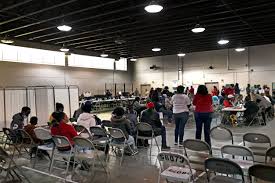
The Boston Immigration Court, which handles removal and asylum cases for Massachusetts and several surrounding states, has its own local rules, procedural practices, and docket management approaches that experienced local immigration attorneys know and general practitioners typically do not. The individual immigration judges assigned to Boston have their own analytical approaches to asylum claims, their own credibility assessment methods, and their own documented grant rate patterns that experienced local counsel has learned through repeated appearances in the court.
The specific procedural requirements of the Boston Immigration Court, including how the court schedules master calendar hearings, how it handles requests for continuances and case management, and how it expects asylum applications and supporting documents to be organized and submitted, are practical knowledge that affects how a case is managed from the moment the Notice to Appear is issued through the final individual hearing. An attorney who appears regularly in Boston Immigration Court is not learning these procedures during the client’s case. They already know them.
Medford’s Immigrant Community and the Asylum Cases It Produces
Medford’s diversity, with significant communities from Haiti, Brazil, Central America, West Africa, and countries across Southeast Asia and the Middle East, produces asylum cases whose country conditions, legal theories, and evidentiary requirements span the full range of asylum law’s complexity. An attorney serving Medford’s immigrant community needs substantive knowledge of the conditions in the countries from which those communities have come, the human rights documentation sources that most effectively support claims arising in those countries, and the specific legal theories that have been most successfully applied to claims with similar fact patterns.
The Executive Office for Immigration Review’s Boston Immigration Court information provides procedural guidance on how asylum and removal cases are managed in the Boston court, including the filing requirements and hearing procedures that govern every case before that court.
Why Asylum Cases Specifically Require Local Representation
Every category of immigration case benefits from experienced counsel, but asylum is the category where the consequences of inadequate representation are most immediate and most irreversible. A denied asylum case results in a removal order that can be executed unless an appeal is filed and succeeds. The appeal must meet specific legal standards, be filed within strict deadlines, and in most cases requires preserving every legal argument at the immigration court level before the appeal can raise them.
An attorney who does not appear regularly in Boston Immigration Court may not know which arguments have been accepted or rejected by specific judges, may not be familiar with the court’s local procedural practices, and may not have the country conditions expert network needed to support claims arising from the specific countries most represented in Medford’s immigrant community. The difference between competent generic representation and experienced local asylum representation shows most clearly at the individual hearing, where the case is actually won or lost.
For anyone in the Medford area navigating an asylum case, working with an asylum immigration lawyer in Medford MA who has specific experience in the Boston Immigration Court and with the specific country conditions relevant to the claim is the most important protective step available.