

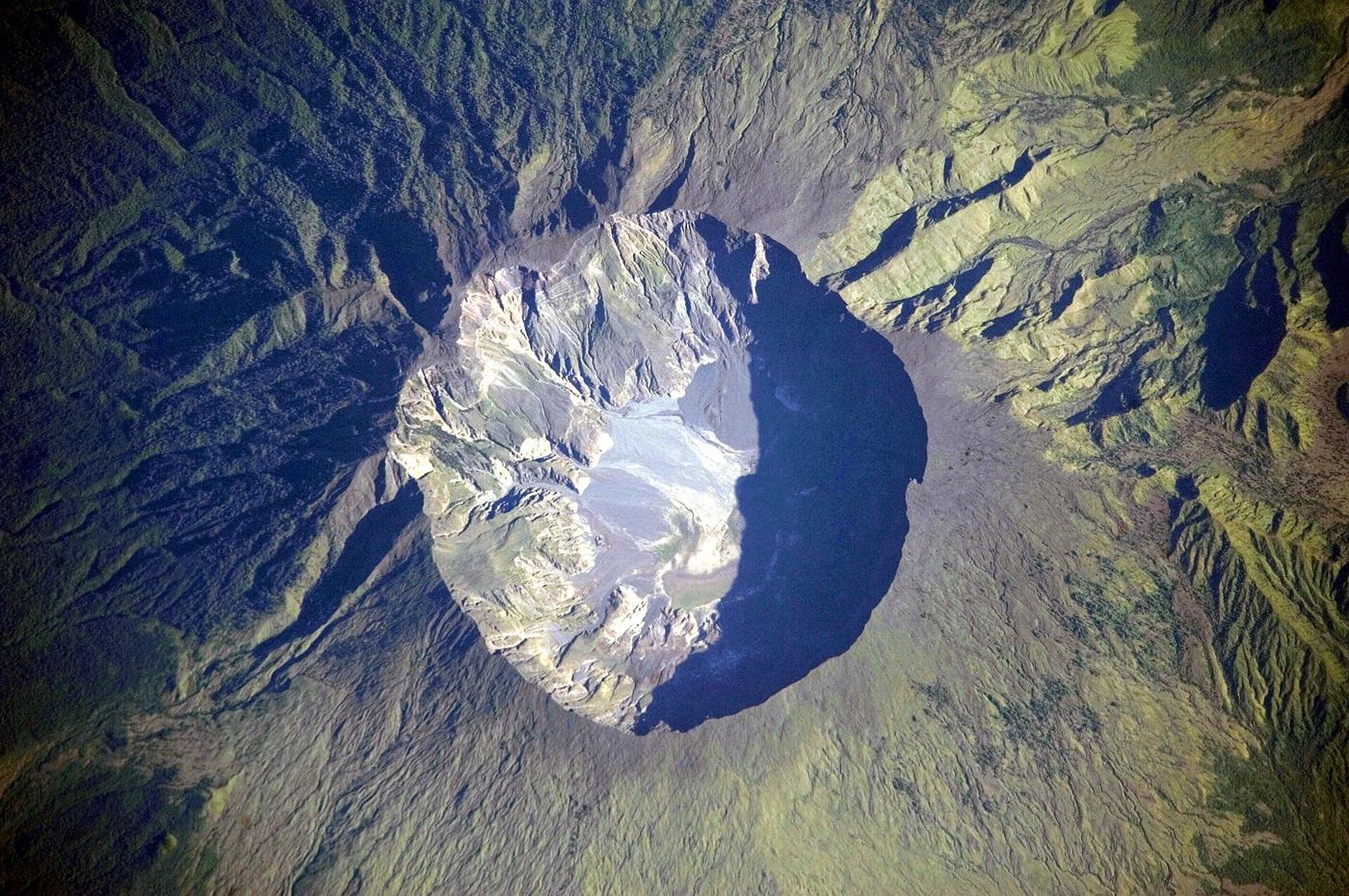
Volcano observatories are gaining a new layer of vigilance from constellations of small satellites that can revisit the same summit every day, measuring ground movement, heat and gas plumes between visits by field teams. Many dangerous volcanoes stand in remote country where instruments are hard to install and harder to maintain, and some have too few sensors on the ground to catch subtle changes. Radar satellites help fill that gap because they can detect the surface swelling by centimetres as magma moves below, working through cloud and darkness that block ordinary cameras. Thermal sensors add a second clue when new fractures heat up or crater lakes warm, while spectrometers track sulphur dioxide released from rising magma. No single measurement predicts an eruption, and experienced volcanologists warn against treating satellite data as an alarm on its own. Its value lies in combination and in timing: a deformation pattern that accelerates alongside rising gas output tells a different story from either signal alone. When those combined clues cross agreed thresholds, observatories can raise alert levels, restrict access and position response teams earlier. For communities living near volcanoes, even a modest gain in warning time can mean safer evacuations and less disruption from false alarms.
What the Evidence Shows
Building this capability into daily practice requires more than satellites in orbit. Data must arrive quickly, be processed automatically and reach observatories in a form that duty scientists can compare with seismic records and local reports. Researchers are training software to flag unusual changes across hundreds of volcanoes at once, so that human attention goes first to the mountains behaving oddly rather than to routine checks. Ground truth remains essential, because satellite radar can be confused by snow, vegetation change and atmospheric water vapour, and gas measurements vary with wind. Field campaigns therefore validate the space-based view and calibrate how each volcano normally behaves through the seasons. There is also an equity argument: wealthy countries can blanket their volcanoes with instruments, while many of the world’s most populated volcanic regions cannot. Shared satellite monitoring, openly delivered, narrows that gap without replacing local expertise. As revisit times shorten and processing improves, the realistic goal is not perfect prediction, which volcanology cannot offer, but earlier recognition of unrest and better judged decisions. That steadier flow of evidence, arriving day and night from orbit, is quietly becoming part of how eruption risk is managed worldwide. Reporting and analysis from sources such as Nature track the same developments, and specialists following satellite monitoring of restless volcanoes say the direction is now consistent across independent lines of evidence.
The Wider Context
The wider context is a research landscape in which replication and open data now decide reputations. Findings connected to satellite monitoring of restless volcanoes are being checked by independent groups with shared datasets, and the teams involved publish their methods in full so rivals can test every step. That discipline is slower than a headline cycle, but it is why results in this area increasingly survive first contact with scrutiny.
What Happens Next
What happens next in the story of satellite monitoring of restless volcanoes will be decided by follow-up work already under way: larger samples, longer observation and instruments that have not yet come online. The researchers involved are unusually united on one point, that the current results justify the next investment of time and money. Readers will not have to wait long for the first tests of that claim. You can follow related developments in our coverage of science.
None of this will be settled by a single announcement, study or product launch. The pattern to watch is accumulation: independent confirmations, honest reporting of failures and steady improvement in the underlying numbers. Readers who follow those signals, rather than the loudest claim of the week, will understand this subject better than most of the commentary surrounding it suggests is possible.
