

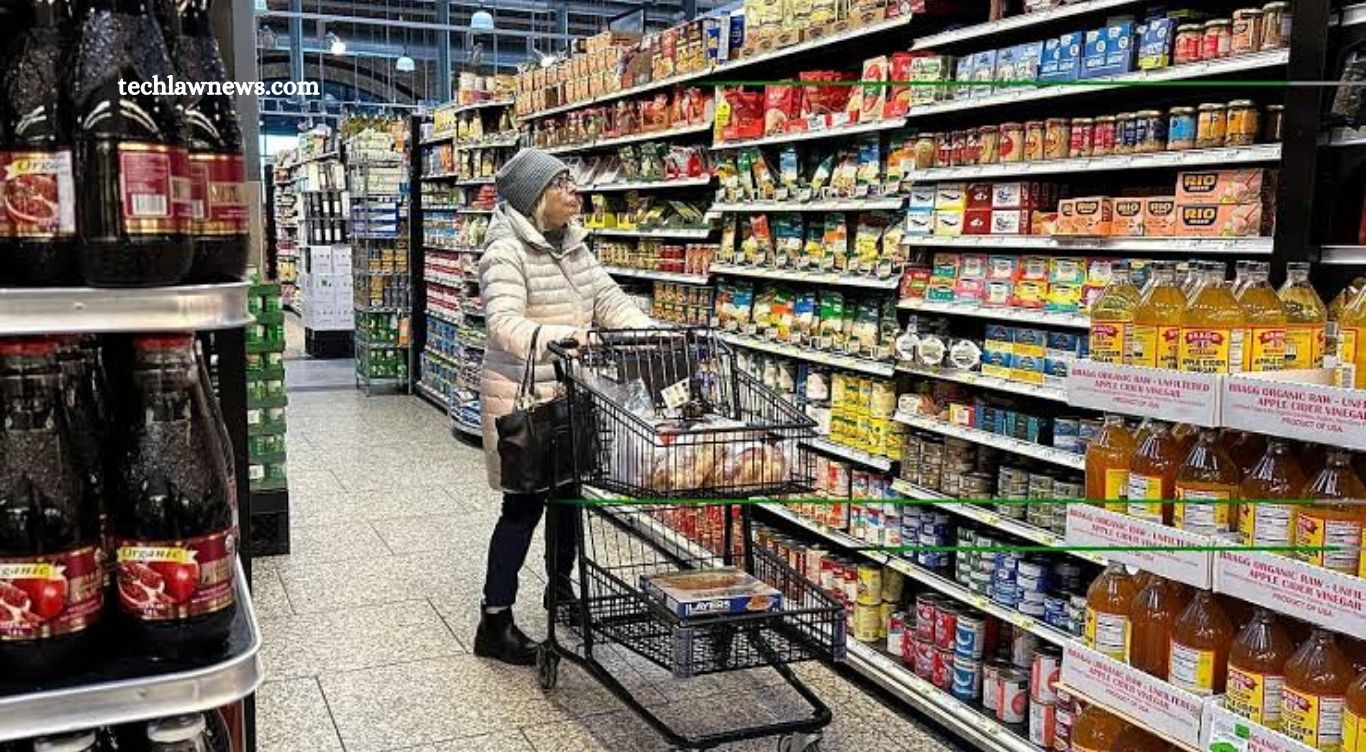
Food supply disruptions are becoming a growing concern for communities, businesses, farmers, and consumers worldwide. Rising transportation costs, extreme weather events, labor shortages, and international conflicts can interrupt the movement of essential food products from farms to local markets. These challenges often lead to higher prices, limited product availability, and increased pressure on household budgets.
Local markets play an important role in connecting food producers with consumers. When supply chains face unexpected problems, retailers struggle to maintain sufficient stock, farmers face financial uncertainty, and families find it harder to purchase everyday necessities. Understanding the causes and consequences of food supply disruptions can help communities prepare for future challenges and build more reliable food systems.
Read More: Transport Delays Create New Challenges for Daily Commuters
What Causes Food Supply Disruptions?
Food supply disruptions occur when food production, processing, transportation, or distribution cannot meet consumer demand. These interruptions may develop suddenly because of natural disasters or gradually through rising production costs and changing environmental conditions. Even a small disruption in one part of the supply chain can affect several markets.
Climate change, fuel price increases, international trade restrictions, and labor shortages are among the major factors contributing to supply problems. For example, droughts can reduce crop yields, while heavy rainfall can damage farmland and delay harvesting. Transportation delays may also prevent fresh produce from reaching retailers on time, creating shortages and increasing waste.
How Food Shortages Affect Local Market Prices
When food supplies decrease while consumer demand remains steady, prices often rise. Local retailers may need to pay more for wholesale products, transportation, storage, and refrigeration. These additional expenses can eventually reach consumers, making essential food items more expensive.
Price increases can affect different products in different ways. Fresh vegetables, fruits, dairy products, grains, and cooking oils may become more expensive when production or distribution faces difficulties. Families with limited incomes often experience the greatest pressure because food represents a significant portion of their household expenses.
Impact on Farmers and Food Producers
Farmers are among the first groups affected by disruptions in the food supply chain. Extreme weather, expensive fertilizers, rising fuel costs, and limited access to agricultural equipment can reduce production and increase operating expenses. Small-scale farmers may have fewer financial resources to manage these challenges.
Distribution problems create additional difficulties for food producers. Farmers who cannot transport their products quickly may lose income because fresh goods spoil before reaching buyers. Strengthening local purchasing networks, improving storage facilities, and supporting agricultural businesses can help farmers maintain stable sales during difficult periods.
Challenges Faced by Local Retailers
Local grocery stores, independent retailers, and market vendors depend on reliable deliveries to serve customers. When suppliers experience shortages, businesses may receive smaller shipments, face longer delivery times, or pay higher wholesale prices. These problems make inventory management more difficult.
Small businesses often have limited storage space and fewer alternative suppliers than large supermarket chains. As a result, a disruption affecting one major distributor can leave shelves empty or force retailers to increase prices. Developing relationships with multiple suppliers and sourcing products from nearby farms can help reduce these risks.
Effects on Consumers and Household Budgets
Food supply disruptions can change everyday shopping habits. Consumers may notice fewer product choices, smaller package sizes, or higher prices for familiar items. Some households respond by switching brands, purchasing seasonal produce, or reducing spending on nonessential products.
Low-income families, older adults, and communities with limited access to grocery stores may face additional difficulties. When affordable food becomes harder to find, households may choose cheaper products with lower nutritional value or skip certain meals. Reliable access to nutritious food is therefore an important part of community health and economic stability.
The Role of Transportation and Distribution Networks
Transportation is a critical part of the modern food supply chain. Trucks, ships, trains, and warehouses help move agricultural products from farms and processing facilities to retailers. Delays at ports, damaged roads, fuel shortages, and extreme weather can interrupt these connections.
Perishable foods are particularly vulnerable to transportation problems. Fresh meat, dairy products, fruits, and vegetables require suitable storage conditions and timely delivery. Investments in cold-storage facilities, improved roads, efficient logistics, and regional distribution centers can help reduce losses and keep local markets supplied.
How Climate Change Increases Food Supply Risks
Climate change creates serious challenges for agricultural production. Rising temperatures, unpredictable rainfall, prolonged droughts, floods, and severe storms can damage crops and reduce harvest quality. These conditions may also affect livestock health and the availability of water for farming.
When several agricultural regions experience poor harvests simultaneously, food buyers have fewer alternative sources. This situation can increase competition for available products and push prices higher. Farmers can reduce some risks through water-efficient irrigation, climate-resilient crops, improved soil management, and better access to weather information.
Strategies to Strengthen Local Food Supply Chains
Building a reliable food supply requires cooperation among farmers, retailers, governments, transport companies, and consumers. One useful approach is to support local agriculture and encourage businesses to purchase food from nearby producers. Shorter supply routes can reduce dependence on distant suppliers and help local businesses respond more quickly to changing demand.
Better storage, improved forecasting, and diversified sourcing can also make food distribution more resilient. Governments and community organizations can support these efforts by investing in agricultural infrastructure, providing assistance to small farmers, and improving access to affordable food. Emergency food reserves and coordinated response plans can further reduce the effects of sudden shortages.
Why Food Supply Stability Matters for the Future
Stable food supplies support economic growth, public health, and community well-being. When markets receive consistent deliveries, consumers have greater access to essential products, businesses can plan their operations, and farmers gain more predictable opportunities to sell their harvests.
However, future disruptions remain possible because of environmental changes, geopolitical tensions, rising production costs, and unexpected emergencies. Communities that invest in flexible supply chains, sustainable farming, and strong local partnerships will be better prepared to manage these challenges. Long-term planning can reduce the impact of shortages and help protect access to affordable food.
Frequently Asked Questions
What are food supply disruptions?
Food supply disruptions occur when problems affect food production, transportation, or distribution, causing shortages and delivery delays.
What causes food supply disruptions?
Common causes include extreme weather, climate change, rising fuel costs, labor shortages, and international conflicts.
How do food supply disruptions affect local markets?
They reduce product availability, increase operating costs, and make essential food items more expensive for consumers.
Why do food prices increase during supply shortages?
Food prices often rise when demand exceeds available supplies or when production and transportation costs increase.
How are farmers affected by food supply disruptions?
Farmers may face higher production costs, damaged crops, transportation delays, and reduced income from unsold or spoiled products.
How can local markets manage food shortages?
Local markets can work with multiple suppliers, support nearby farmers, improve storage facilities, and strengthen distribution networks.
How can consumers deal with rising food prices?
Consumers can plan meals, compare prices, buy seasonal products, reduce food waste, and choose affordable alternatives.
Conclusion
Food supply disruptions continue to put pressure on local markets by increasing prices, reducing product availability, and creating challenges for farmers, retailers, and consumers. Climate change, transportation delays, and rising production costs can make these problems more difficult to manage. Strengthening local agriculture, improving distribution networks, and diversifying suppliers can help reduce supply chain risks.
