

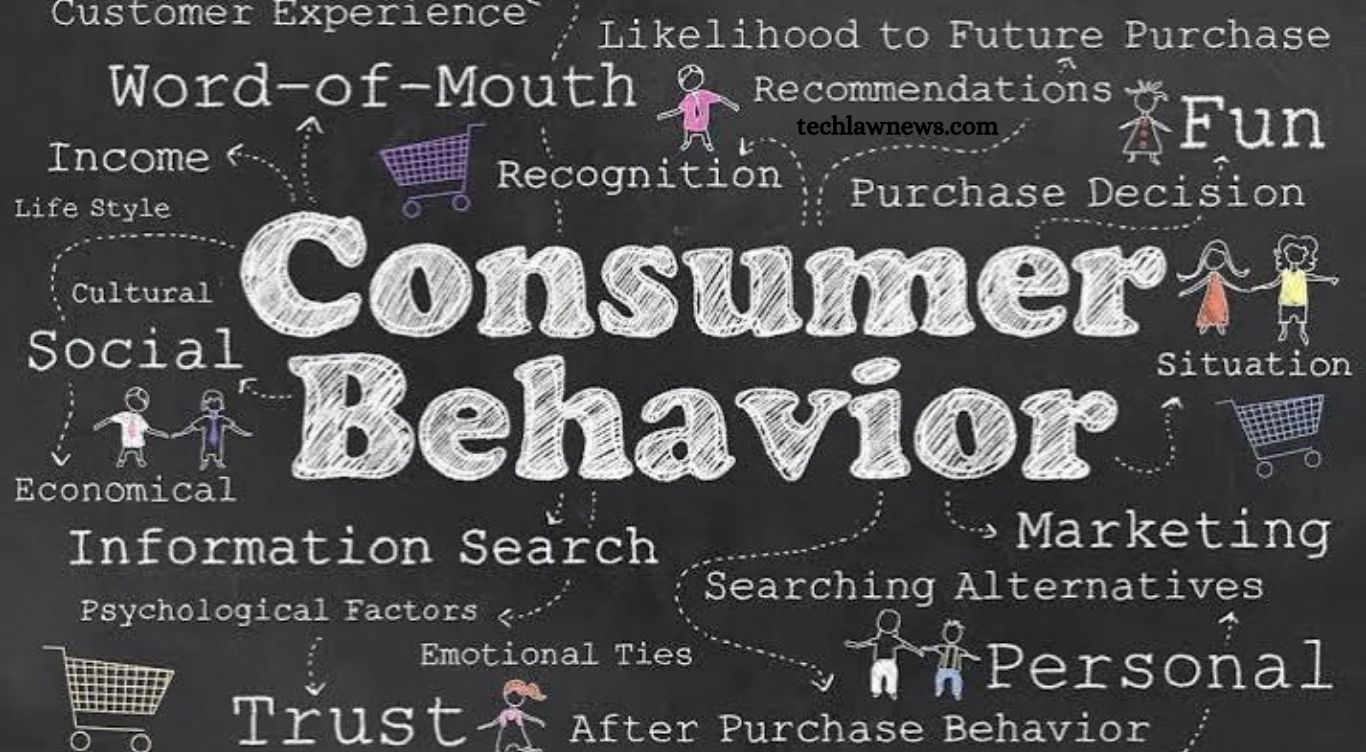
Retail closures are becoming an important sign of changing consumer behavior, shifting shopping preferences, and growing pressure on traditional businesses. Across the retail industry, stores are rethinking their operations as customers increasingly explore online shopping, compare prices, and demand greater convenience. These changes are forcing retailers to reconsider how they attract shoppers, manage expenses, and remain competitive in a rapidly evolving market.
The closure of a retail store does not always indicate declining demand for its products. Instead, it can reflect broader changes in shopping habits, business strategies, and economic conditions. As consumers become more selective about spending, retailers must understand what customers value most. Examining these trends helps explain why some stores struggle to survive while others successfully adapt to the changing marketplace.
Read More: Major Weather Events Trigger New Safety Concerns Across Affected Areas
Why Retail Stores Are Closing
Retail closures can happen for several reasons, including rising operating costs, lower sales, changing customer expectations, and increased competition. Rent, employee wages, utilities, inventory, and transportation expenses can place significant pressure on retailers, especially businesses operating physical stores. When revenue fails to cover these costs, closing underperforming locations may become necessary.
Competition also plays an important role in retail decisions. Large chains must compete with online marketplaces, discount retailers, independent sellers, and brands that sell directly to customers. Some companies respond by reducing their physical footprint, focusing on profitable locations, or investing more heavily in digital sales. These decisions reflect an industry where maintaining a large number of stores no longer guarantees business success.
Online Shopping Continues to Change Consumer Habits
Online shopping has transformed how people discover, compare, and purchase products. Customers can browse thousands of items, check reviews, compare prices, and arrange home delivery without visiting a physical store. This convenience has changed expectations across many product categories, from clothing and electronics to groceries and household essentials.
Digital platforms also allow shoppers to make more informed purchasing decisions. Price comparison tools, promotional offers, product recommendations, and customer feedback influence buying behavior. As a result, physical retailers must offer clear reasons for customers to visit their stores. Personalized service, immediate product availability, in-person demonstrations, and convenient returns can help traditional stores remain relevant.
Rising Living Costs Influence Spending Decisions
Changes in consumer spending are another important factor behind retail closures. When household expenses increase, shoppers often become more careful about discretionary purchases. Housing, food, transportation, healthcare, and utility costs can leave less money available for clothing, furniture, entertainment, and other nonessential products.
Consumers may respond by choosing cheaper alternatives, waiting for sales, purchasing fewer items, or delaying major purchases. Discount stores and value-focused brands can benefit from these habits, while retailers relying on premium prices may face greater pressure. However, customer behavior varies by income, location, and product category, meaning economic challenges do not affect every retailer equally.
Changing Expectations for the Shopping Experience
Modern consumers often expect more than a wide selection of products. They increasingly value convenience, transparent pricing, fast service, reliable product information, and flexible payment or delivery options. Retailers that fail to meet these expectations may struggle to attract repeat customers, even when their products remain popular.
Physical stores can still offer advantages that online platforms cannot fully reproduce. Customers may prefer trying on clothes, testing electronic devices, examining product quality, or receiving advice from knowledgeable employees. Retailers that combine these benefits with digital convenience can create a stronger shopping experience. The challenge is understanding which services matter most to their target audience and investing in improvements that encourage customers to return.
The Impact of Retail Closures on Local Communities
When a retail store closes, the consequences can extend beyond the business itself. Employees may lose their jobs, nearby businesses may experience lower foot traffic, and shopping areas can become less active. Small towns and neighborhoods may face additional challenges when a closed store removes an important source of everyday goods or services.
Retail closures can also create opportunities for new businesses and alternative uses of commercial space. Vacant locations may become restaurants, entertainment venues, healthcare facilities, offices, or smaller retail concepts. The outcome depends on local demand, property costs, and investment. Communities that encourage adaptable commercial spaces can respond more effectively to changes in shopping patterns.
Why Some Retailers Continue to Succeed
Although many businesses face pressure, retail closures do not mean traditional shopping is disappearing. Retailers with clear customer value, strong operations, and flexible strategies can continue to perform well. Successful businesses often focus on understanding customer needs, controlling expenses, maintaining suitable inventory, and creating convenient shopping experiences.
Some companies use physical stores as part of a broader retail network rather than treating each location as an independent sales channel. Customers might research products online, purchase through an app, collect orders in a store, or return online purchases in person. This integrated approach allows retailers to serve customers through multiple channels while making better use of their existing locations.
The Growing Importance of Data and Technology
Technology helps retailers understand changing consumer habits and make more informed business decisions. Sales data, customer feedback, loyalty programs, and inventory reports can reveal which products perform well, when demand changes, and where stores may be losing customers. These insights allow businesses to adjust pricing, promotions, product selection, and staffing.
Artificial intelligence and predictive analytics can also help retailers forecast demand, reduce excess inventory, and personalize marketing campaigns. However, technology alone cannot guarantee success. Businesses must use accurate information, protect customer privacy, and connect digital insights with real customer needs. Retailers that combine useful technology with practical decision-making can respond more effectively to market changes.
What Retail Closures Reveal About the Future
Retail closures highlight the importance of adaptability in an increasingly competitive marketplace. Businesses can no longer assume that customers will remain loyal simply because a store has operated for many years. Shoppers have more choices, greater access to information, and changing expectations about price, convenience, and service.
The future of retail will likely involve a combination of physical stores, online platforms, and flexible shopping options. Some locations may disappear, while others may be redesigned to provide better customer experiences. Retailers that understand local demand and invest in meaningful improvements will have stronger opportunities to remain competitive. Rather than viewing every closure as evidence of retail decline, businesses should examine what these changes reveal about customer priorities.
Frequently Asked Questions
Why are retail stores closing?
Retail stores are closing because of rising operating costs, declining sales, online competition, and changing consumer preferences.
How does online shopping affect retail businesses?
Online shopping offers convenience, competitive prices, and wider product choices, making it harder for traditional stores to attract customers.
How do rising living costs influence shopping habits?
Higher living costs encourage consumers to reduce unnecessary spending, seek discounts, and prioritize essential purchases.
Are retail closures a sign of declining consumer demand?
Not always. Closures may reflect changing shopping preferences, business restructuring, or a shift toward online sales.
How do retail closures affect local communities?
Retail closures can reduce employment, decrease foot traffic, and leave vacant commercial spaces in local shopping areas.
Can physical retail stores survive online competition?
Yes. Physical stores can remain competitive by offering personalized service, unique products, convenient locations, and better shopping experiences.
How can retailers adapt to changing consumer habits?
Retailers can adapt by improving customer service, controlling expenses, using technology, offering competitive prices, and strengthening online shopping options.
Conclusion
Retail closures highlight the changing nature of consumer habits, rising operating costs, and growing competition from online shopping. As customers prioritize convenience, affordability, and better shopping experiences, retailers must adapt their strategies to remain competitive. Although physical stores continue to face challenges, businesses that understand customer needs, embrace technology, and provide valuable services can still succeed.
