

Power supply changes can have a direct impact on everyday life, household budgets, and local business operations. Changes in electricity prices, supply schedules, grid policies, or energy infrastructure can influence how much consumers pay and how businesses manage their daily activities.
For households, higher electricity costs can increase monthly expenses, while unreliable supply can affect heating, cooling, appliances, internet access, and home-based work. Local businesses can face even greater challenges because electricity is often essential for production, refrigeration, lighting, equipment, and customer services.
Read More: Airport Disruptions Put Fresh Focus on Passenger Travel Plans
Why Power Supply Changes Matter
Electricity systems are constantly changing as governments, energy companies, and utility providers respond to rising demand, infrastructure needs, fuel costs, and the growth of renewable energy. These changes can affect both the availability and cost of electricity.
Even small changes in electricity rates can become significant over time. Families may need to adjust household budgets, while small businesses may have to review operating costs and pricing strategies. Understanding upcoming power supply changes can help consumers prepare before higher expenses or service disruptions occur.
How Households Could Be Affected
Households are often among the first groups to notice changes in electricity supply. A rise in energy prices can increase monthly utility bills, particularly for families that depend heavily on air conditioning, electric heating, water heaters, or other high-consumption appliances.
Power interruptions can create additional problems. Extended outages may disrupt remote work, online education, food storage, and communication. Households that rely on medical equipment or other essential electrical devices may face even more serious challenges during prolonged disruptions.
Impact on Local Businesses
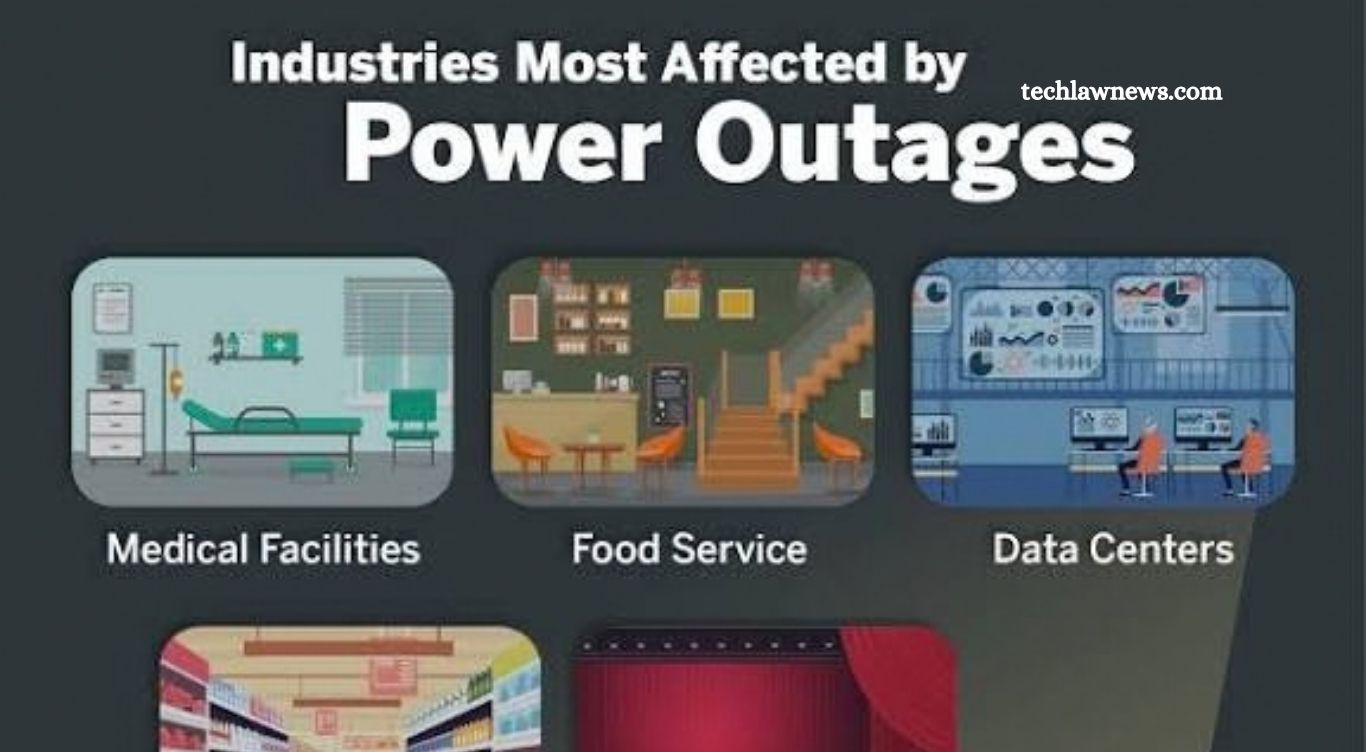
Local businesses depend on stable electricity to maintain normal operations. Restaurants need power for refrigeration, cooking equipment, lighting, and payment systems. Retail stores rely on electricity for displays, security systems, computers, and climate control.
Manufacturing facilities and workshops can experience even greater losses when electricity becomes unavailable. A sudden outage may stop production, damage sensitive equipment, delay orders, and create additional labor costs. For small businesses operating with limited financial margins, repeated disruptions can have a noticeable effect on profitability.
Rising Electricity Costs Could Increase Business Expenses
Changes in power supply can also influence the cost of running a business. When electricity prices increase, businesses may see higher operating expenses across multiple areas.
Some companies may respond by improving energy efficiency, reducing unnecessary consumption, or adjusting operating hours. Others could eventually increase prices to cover higher electricity expenses. This means power supply changes can affect consumers indirectly through the prices of goods and services.
Renewable Energy Could Change Power Supply
The transition toward renewable energy is another major factor shaping electricity systems. Solar, wind, battery storage, and other technologies are becoming increasingly important as energy providers look for alternatives to traditional power sources.
Renewable energy can create opportunities for households and businesses to generate part of their own electricity. Rooftop solar systems, for example, may reduce dependence on the traditional grid and potentially lower long-term electricity expenses.
However, renewable energy also requires investment in grid infrastructure and energy storage. Power systems need to balance electricity production with changing consumer demand, particularly when renewable generation depends on weather conditions.
Smart Energy Technology Can Help
Smart energy technology can help households and businesses respond to changing electricity conditions. Smart meters provide information about energy consumption, allowing users to identify periods of high usage and make better decisions.
Energy-efficient appliances, automated lighting, smart thermostats, and battery storage can also reduce unnecessary electricity consumption. Businesses can use energy management systems to monitor equipment and identify areas where power usage can be reduced without affecting productivity.
These technologies may require an initial investment, but they can provide long-term benefits by helping users control energy consumption and prepare for changing electricity costs.
Preparing for Possible Power Disruptions
Households and local businesses can take several practical steps to prepare for possible power supply disruptions. Keeping essential devices charged, maintaining emergency lighting, and having backup power options can reduce the impact of short-term outages.
Businesses should also consider creating a basic power outage plan. Important equipment, communication systems, payment platforms, and refrigeration units should be identified so that owners know which operations require immediate backup power.
For households, reducing unnecessary electricity consumption can also provide protection against rising energy bills. Simple changes such as improving insulation, using efficient appliances, and switching off unused devices can gradually lower overall consumption.
What Local Communities Can Expect
Power supply changes can have effects beyond individual households and businesses. Local communities depend on reliable electricity for schools, healthcare facilities, transportation systems, public services, and communication networks.
Investment in stronger infrastructure can improve reliability and support future electricity demand. At the same time, major upgrades may involve temporary construction, changing tariffs, or other adjustments that consumers notice during the transition.
Community awareness is therefore important. Clear information from energy providers and local authorities can help residents and businesses understand why changes are happening and how they may affect daily life.
Energy Efficiency Will Become More Important
As electricity demand grows, energy efficiency is likely to become increasingly important. Consumers who understand their energy usage can make informed choices and reduce unnecessary costs.
For businesses, energy efficiency can become part of broader cost-management strategies. Upgrading lighting, improving equipment efficiency, managing heating and cooling systems, and monitoring electricity consumption can help reduce expenses while supporting more sustainable operations.
Frequently Asked Questions
How can power supply changes affect households?
Power supply changes can influence electricity bills, service reliability, appliance use, and household energy consumption.
Can electricity changes increase household expenses?
Yes. Higher electricity rates or increased consumption can raise monthly household utility costs.
How can power supply changes affect local businesses?
Businesses may experience higher operating costs, service interruptions, production delays, and challenges maintaining essential equipment.
Can power outages cause business losses?
Yes. Extended outages can interrupt operations, affect refrigeration, damage equipment, and delay customer services or orders.
Can renewable energy improve power supply?
Renewable energy can support cleaner electricity generation and may help households and businesses reduce dependence on traditional power sources.
How can households reduce electricity costs?
Using energy-efficient appliances, improving insulation, reducing unnecessary consumption, and monitoring electricity usage can help lower costs.
How can businesses prepare for power disruptions?
Businesses can create outage plans, use backup power systems, protect essential equipment, and monitor energy consumption.
Conclusion
Power supply changes can have a significant impact on households and local businesses, affecting electricity costs, daily operations, and service reliability. Rising energy prices and unexpected outages can create financial challenges, while improvements in infrastructure and renewable energy can offer long-term benefits.
