

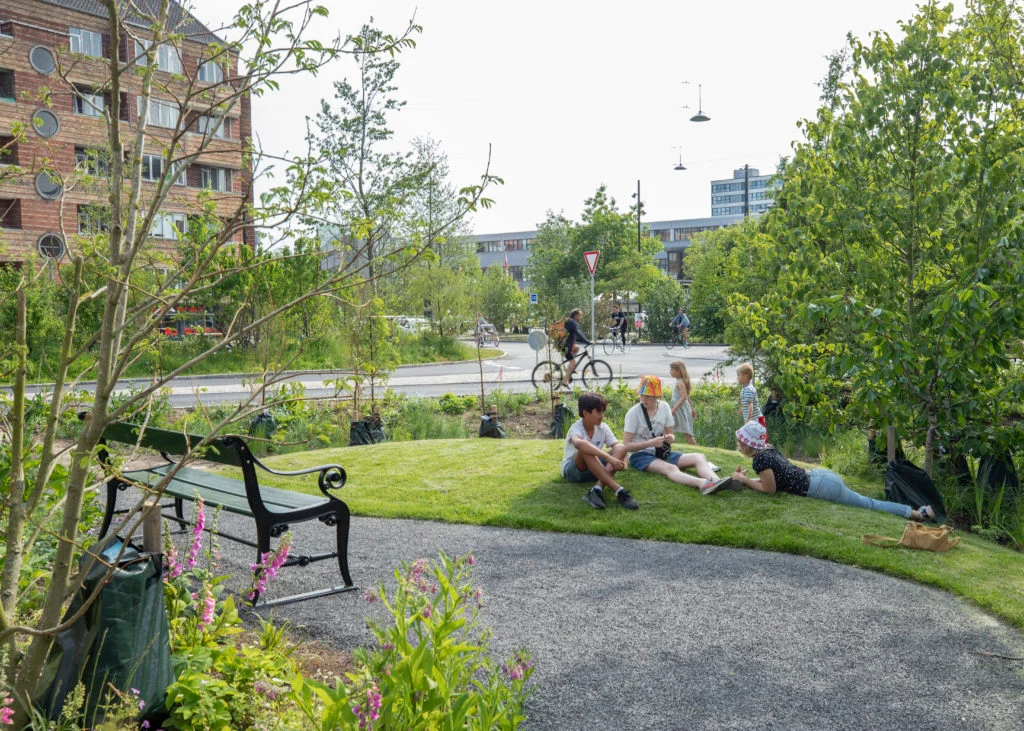
Cities are getting hotter, louder, and more crowded.
Concrete keeps spreading. Green space keeps shrinking. Stormwater systems are under pressure. Summers feel more intense every year.
That is why sustainable landscaping is no longer just a design trend.
It is becoming a survival tool for urban cities.
Homeowners, builders, and city planners are starting to treat outdoor space differently. Plants are no longer decoration alone. Landscapes now help manage heat, water, air quality, and even stress levels.
The shift is happening fast.
Cities Need More Green Space
Urban Heat Is Getting Worse
Cities trap heat.
Concrete, asphalt, and glass absorb sunlight all day and release heat slowly at night. This creates what experts call the “urban heat island effect.”
According to the United States Environmental Protection Agency, urban areas can be up to 7°F hotter than nearby rural areas during the day.
That difference affects daily life.
Hotter neighborhoods mean:
- Higher energy use
- Poorer air quality
- More health risks during heat waves
Trees and plants help reduce that problem.
Plants Cool Cities Naturally
Shaded streets and green spaces stay cooler.
Trees block direct sunlight. Plants release moisture into the air. Green roofs reduce heat absorption.
One mature tree can cool surrounding air by several degrees during summer.
That is why cities across North America are investing more in urban greenery.
“I worked on a rooftop where the surface temperature was almost unbearable in July,” one Montreal designer said. “After adding greenery and shade structures, the space became comfortable enough to use in the afternoon.”
That kind of change matters in dense urban neighborhoods.
Sustainable Landscaping Helps Manage Water
Stormwater Is a Growing Problem
Heavy rain hits cities hard.
Water moves quickly across concrete and overloaded drainage systems. Flooding becomes more common.
Climate change is making this worse. According to Environment Canada, many Canadian cities are already seeing more frequent heavy rainfall events.
Traditional landscaping does little to help.
Sustainable landscaping changes that.
Better Ground Means Better Drainage
Permeable surfaces allow water to soak into the ground instead of flooding streets.
Popular options include:
- Gravel pathways
- Permeable pavers
- Rain gardens
- Native ground cover plants
These systems slow water naturally.
“One backyard flooded every spring,” the designer said. “We replaced solid paving with permeable materials and added a rain garden. The pooling stopped almost immediately.”
That solution worked without major construction.
Native Plants Are Becoming a Smart Choice
They Need Less Water and Maintenance
Many traditional landscaping plants struggle in urban climates.
Native plants perform better because they already match local conditions.
They survive heat, cold, and seasonal swings more easily.
That means:
- Less watering
- Less fertilizer
- Less maintenance
Environment Canada reports that native plants can reduce outdoor water use significantly in some urban settings.
Native Plants Support Wildlife
Cities often lack healthy habitats for pollinators.
Native flowers and grasses help support:
- Bees
- Butterflies
- Birds
That creates stronger urban ecosystems.
One project associated with Frank Saltarelli Montreal used native grasses and pollinator-friendly plants on a rooftop terrace. Within months, the homeowner noticed more birds and bees visiting the area regularly.
That kind of impact is becoming more important to homeowners.
Sustainable Landscaping Improves Daily Life
People Need Better Outdoor Spaces
Urban life can feel exhausting.
Noise. Traffic. Screens. Small apartments.
Green space helps people reset mentally.
A study from the University of Exeter found that spending at least two hours per week in nature improves mental well-being.
Even small green areas help.
OuOutdoor Spaces Are Becoming Functional Again
People now want outdoor spaces they actually use.
Not just decorative patios.
They want:
- Reading corners
- Outdoor dining areas
- Small gardens
- Quiet seating zones
“One client told me they started spending evenings outside instead of sitting in front of the television,” the designer said. “The space changed their routine completely.”
That is one reason sustainable landscaping keeps growing in cities. Outdoor comfort also becomes more important when people want to use these spaces throughout the day. Installing outdoor awnings can provide shade and protection from light rain, making patios and seating areas more inviting. With the right coverage, homeowners can enjoy their outdoor spaces more comfortably across different weather conditions.
Rooftops Are Becoming Green Spaces
Cities Are Looking Upward
Urban land is limited.
That is pushing more landscaping upward.
Green rooftops are becoming common in:
- Condos
- Apartment buildings
- Restaurants
- Residential homes
These spaces reduce heat and create usable outdoor areas.
Green Roofs Improve Building Performance
Green roofs help insulate buildings.
They reduce heat absorption in summer and help regulate indoor temperatures.
Some studies show green roofs can lower rooftop temperatures by up to 40°F during peak summer heat.
They also help absorb rainwater.
That makes them valuable in dense urban zones.
“A rooftop used to feel like a hot parking lot,” the designer said. “Once plants and shade went in, people started treating it like an outdoor living room.”
Sustainable Landscaping Saves Resources Over Time
Less Waste Matters
Traditional landscaping often wastes:
- Water
- Energy
- Materials
High-maintenance lawns require constant care.
Sustainable designs reduce that pressure.
People are moving toward:
- Smaller lawns
- Drought-tolerant plants
- Durable materials
- Long-lasting layouts
Simpler Spaces Work Better
Many homeowners are realizing they do not need complicated designs.
Simple spaces often perform better.
- Fewer materials
- Cleaner layouts
- Easier maintenance
That creates longer-lasting outdoor areas.
What Homeowners Can Do Right Now
You do not need a full redesign to start.
Small steps matter.
Easy Sustainable Landscaping Upgrades
- Replace one section of lawn with native plants
- Add mulch to reduce water loss
- Use rain barrels for watering
- Switch to permeable pathways
- Plant shade trees where possible
- Reduce unnecessary outdoor lighting
- Compost yard waste naturally
These changes improve outdoor spaces without major expense.
Observe Before Changing Everything
Watch how water moves after rain.
Notice which areas get too hot.
Pay attention to where you actually spend time.
That information matters more than trends.
“The best outdoor spaces usually come from solving one real problem at a time,” the designer said. “Not from trying to copy a photo.”
Why This Shift Will Continue
Sustainable landscaping is not slowing down.
Cities need cooler streets. Better drainage. Healthier environments.
People also want outdoor spaces that improve daily life instead of adding maintenance headaches.
That combination is pushing sustainable landscaping into the mainstream.
Urban spaces are being redesigned with purpose now.
Less waste. More function. Better use of nature.
That shift is changing how cities look and how people live inside them.