

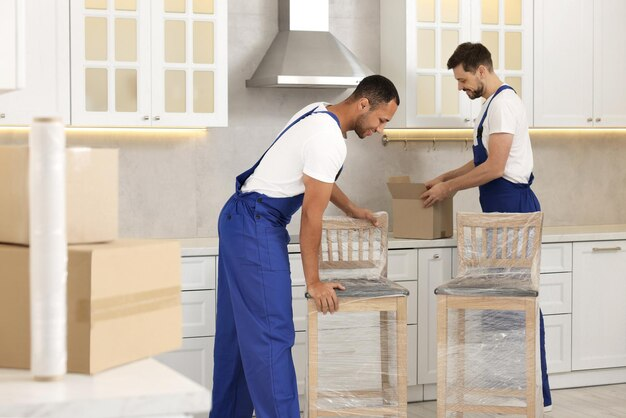
Moving house can reveal just how many belongings have built up over the years. Furniture that once served a clear purpose may now sit unused, seasonal items can fill valuable cupboards, and boxes of personal belongings can make a relocation feel much bigger than expected.
Storage can create useful breathing room during the process. For households preparing for a move, using Ballarat removals and storage services can make it easier to separate belongings that need to travel straight away from items that can remain safely stored until they are needed. The challenge is deciding what should go into storage and what should head directly to the new home.
Begin With the Things You Actually Use
Before packing starts, walk through each room and consider how often each item is used. Furniture, appliances, clothing, tools and recreational equipment may all serve different purposes and have different priorities during a move.
Items used regularly will usually need to travel with you. Belongings used only during certain seasons may be better suited to storage.
This approach can also prevent the new home from becoming cluttered before you’ve had time to settle in.
Seasonal Items Can Stay Out of the Way
Christmas decorations, camping equipment, winter clothing, sporting gear and outdoor furniture may not be needed immediately after moving house. Placing these belongings into storage can free up space for everyday items.
Seasonal storage can also help households moving into properties with less storage capacity. Outdoor equipment that fitted comfortably into a large garage at the previous property may have nowhere suitable at the new address.
Clean and dry seasonal belongings before storing them. Moisture trapped inside boxes, bags or containers can cause damage over time.
Make Careful Decisions About Furniture
Large furniture can occupy a significant amount of storage space, so deciding what should move immediately deserves some thought.
Consider the layout of the new property before transporting every large piece. A large sectional sofa that suited a spacious living room may overwhelm a smaller space. Extra bookshelves, cabinets or side tables may also be unnecessary if the new home already has plenty of built-in storage.
Furniture that you want to keep but do not need straight away can be placed into storage while you settle into the new property. This gives you time to work out where everything should go without filling every room on the first day.
Keep Important Belongings Close
Storage should not become a place where essential belongings disappear for months. Passports, legal paperwork, jewellery, medications, financial documents and irreplaceable personal items should remain with you.
The same applies to anything you will need during the first few days after arriving at the new home. Packing these items into storage can make a simple move unnecessarily frustrating.
Prepare a separate essentials group containing items such as:
- Identification and important documents
- Toiletries and personal care products
- Phone and laptop chargers
- Several changes of clothes
- Basic kitchen equipment
- Essential tools
- Medication
- Bedding and towels
- Everyday items for children or pets
Keep these belongings clearly separated from everything intended for storage.
Check How Much Space the New Property Has
The amount of storage available at your new home should influence how much you move straight away.
Check wardrobes, cupboards, garages, sheds, attics and other storage areas before making final decisions. A property with limited built-in storage may require a different plan from a home with a large garage, garden shed and generous cupboards.
Moving house also provides a useful opportunity to deal with duplicate belongings. Two sets of garden tools, several filing cabinets or multiple rarely used appliances may not justify the space they take up.
Label Boxes Before They Go Into Storage
A storage system only works if you can identify what is inside each box. Avoid labels such as “miscellaneous” or “old stuff”. They may save a few seconds during packing but can cause plenty of frustration later.
Use specific descriptions such as “winter coats”, “Christmas decorations”, “camping equipment” or “spare kitchenware”.
For larger storage arrangements, create a basic inventory. Number each box and record its contents so you can locate a particular item without opening several boxes.
Taking photographs can also help. A quick photo of the contents before sealing a box gives you another way to identify what is inside.
Protect Belongings From Avoidable Damage
Different belongings require different levels of protection. Standard cardboard boxes may be suitable for many household items, while fragile or moisture-sensitive possessions may require additional care.
Clean and completely dry wooden furniture before placing it into storage. Fabric items should have suitable breathable coverings rather than materials that could trap moisture. Electronics should be packed securely and protected from dust.
Avoid filling boxes beyond their safe capacity. Overloaded boxes can become difficult to carry and may weaken or collapse during handling.
Plan Around How Often You Will Need Access
Not every stored item will have the same level of priority. Some belongings may be needed within a few weeks, while others may remain untouched for several months.
Arrange stored belongings according to how often you expect to access them. Items you may need soon should be kept in an accessible position. Seasonal or long-term belongings can be placed further away.
CBD Movers can be considered when planning the transport and storage side of a relocation, particularly when belongings need to be managed across different stages of the move. Providing clear information about furniture sizes, the number of items and storage requirements can help make the arrangements more practical.
Do Not Store Things You No Longer Want
Storage can become unnecessarily expensive and inconvenient when unwanted belongings are carried from one property to another.
Before putting something into storage, consider whether you have a genuine reason to keep it. Broken appliances that have never been repaired, duplicate kitchenware, outdated furniture and clothes that have not been worn for years may be better suited to donation, recycling or disposal.
The most useful storage space is reserved for belongings that have a clear purpose.
Give Yourself Time to Settle In
There is no requirement to unpack every possession as soon as you move. Some households find it easier to keep non-essential belongings in storage while they work out how the new property functions.
After a few weeks, you may have a better idea of which furniture fits comfortably, how much cupboard space is available and which stored belongings are actually needed.
That extra breathing room can make decisions less rushed and help the new home remain organised. Contact us today to discuss your moving and storage requirements and plan how your belongings can be handled before, during and after the relocation.
A sensible storage plan is not simply about putting belongings somewhere out of sight. It is about deciding what needs to be accessible, what can wait and what no longer deserves space in your home. Separating everyday essentials from seasonal, surplus and temporarily unnecessary items can make moving day easier and give your new home room to settle naturally.
