

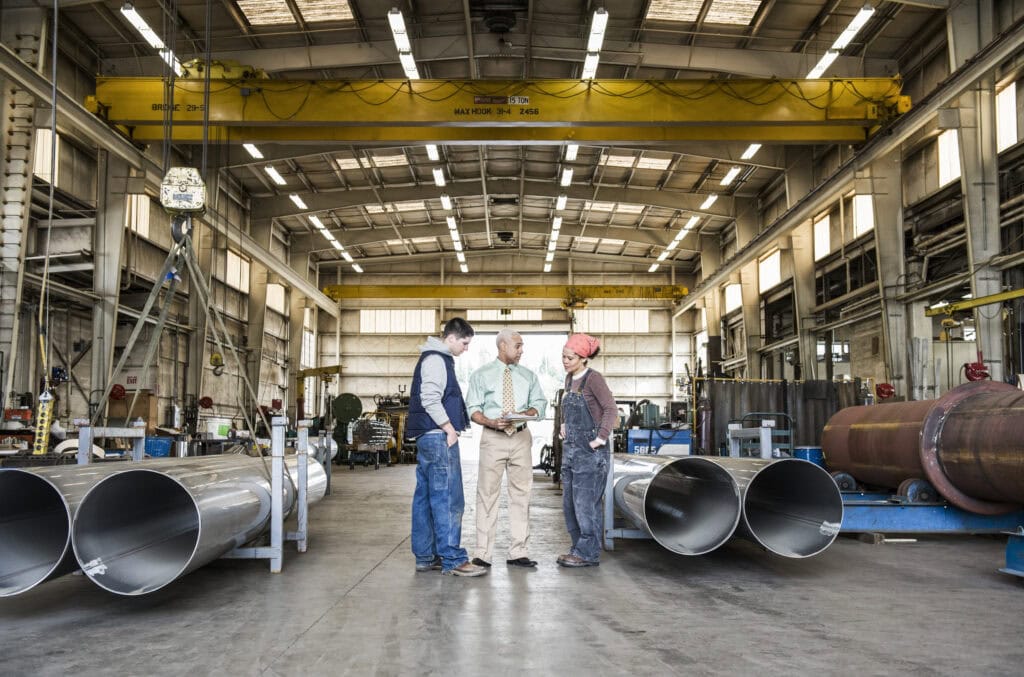
Metal plays a crucial role in modern construction, infrastructure, and industrial development. From towering skyscrapers to precision-engineered components, fabrication processes transform raw materials into functional and durable structures. In rapidly growing regions, the demand for metal fabrication in Dubai continues to rise, driven by innovation, urban expansion, and large-scale engineering projects.
This guide explains the core processes, techniques, and applications of fabrication, with a focus on structural steel fabrication and its importance across industries.
What is Metal Fabrication?
Metal fabrication is the process of converting raw metal into usable products through techniques like cutting, bending, and assembling.
It involves multiple stages where skilled engineers and technicians use advanced machinery and tools to shape metal into components, machines, or structural frameworks. This process is widely used in construction, manufacturing, automotive, and energy sectors.
With the growth of infrastructure and industrial projects, metal fabrication has become a key contributor to modern development, offering precision and scalability for diverse applications.
Key Processes in Metal Fabrication
1. Design and Planning
Every fabrication project begins with detailed planning and design. Engineers use CAD software to create accurate blueprints and 3D models, ensuring all specifications are met before production begins.
This stage is critical because it determines material selection, dimensions, and structural integrity. In complex projects, prototypes may be developed to test performance before full-scale fabrication.
2. Cutting and Shaping
Cutting is the first physical step in fabrication. It involves dividing raw metal into smaller sections using techniques such as laser cutting, plasma cutting, or CNC machining.
Shaping processes like bending, rolling, and pressing then transform flat materials into specific forms and angles. These techniques are essential in structural steel fabrication, where precision directly impacts structural stability.
3. Welding and Assembly
Welding is one of the most critical steps, where separate metal components are joined to form a complete structure.
This process requires high skill levels to ensure strong, defect-free joints. Proper welding enhances load-bearing capacity and ensures long-term durability, especially in large-scale projects handled through metal fabrication.
4. Finishing and Surface Treatment
After assembly, fabricated components undergo finishing processes such as painting, coating, or galvanizing.
These treatments protect the metal from corrosion, improve appearance, and increase lifespan. In harsh environments, finishing becomes essential for maintaining structural performance.
5. Quality Control and Inspection
Quality assurance is a vital step in fabrication. Advanced techniques like non-destructive testing ensure that components meet safety and performance standards.
Strict quality control ensures that structural steel fabrication projects deliver consistent results and comply with engineering requirements.
Understanding Steel Structure Fabrication
Steel structure fabrication is a specialized segment of metal fabrication focused on creating frameworks for buildings, bridges, and industrial facilities.
This process involves transforming steel into beams, columns, and other structural elements that form the backbone of construction projects. It typically includes cutting, welding, assembling, and finishing components to meet design specifications.
The precision and strength offered by steel make it a preferred material for modern infrastructure, especially in regions with rapid urban development like metal fabrication.
Advanced Technologies in Fabrication
Modern fabrication has evolved with the integration of advanced technologies, improving efficiency and accuracy.
- CNC Machines: Ensure precise cutting and shaping
- Automation and Robotics: Enhance speed and consistency
- Laser and Plasma Cutting: Provide high accuracy with minimal waste
- 3D Modeling and BIM: Improve design coordination and project planning
These technologies enable fabricators to handle complex designs and large-scale projects efficiently, making structural steel fabrication more reliable and cost-effective.
Industry Applications of Metal Fabrication
Construction and Infrastructure
The construction sector is the largest consumer of fabricated metal. Steel frameworks are used in buildings, bridges, warehouses, and commercial spaces.
In fast-developing regions, metal fabrication Dubai supports iconic architecture and large infrastructure projects, ensuring strength and durability.
Industrial and Manufacturing Sector
Fabrication plays a vital role in manufacturing machinery, equipment, and tools. Custom components are produced to meet specific operational requirements, improving efficiency and productivity.
Energy and Power Sector
Metal fabrication is widely used in power plants, solar structures, and oil and gas facilities. Fabricated components must withstand extreme conditions, making quality and precision essential.
Automotive and Transportation
The automotive industry relies on fabrication for producing vehicle components, frames, and parts. Precision engineering ensures safety and performance in transportation systems.
Commercial and Residential Projects
From staircases and railings to gates and structural frameworks, fabrication enhances both functionality and aesthetics in residential and commercial spaces.
Benefits of Metal Fabrication
Strength and Durability
Fabricated metal structures offer high strength, making them ideal for heavy-duty applications and long-term use.
Design Flexibility
Fabrication allows for custom designs, enabling architects and engineers to create unique structures and components.
Cost Efficiency
Efficient processes and advanced technologies reduce material waste and production costs.
Scalability
Fabrication can be adapted for both small-scale and large-scale projects, making it suitable for diverse industries.
Sustainability
Metal can be recycled and reused, making fabrication an environmentally friendly option.
Challenges in Metal Fabrication
Despite its advantages, fabrication comes with certain challenges:
- Maintaining precision in complex designs
- Ensuring consistent quality across large projects
- Managing material costs and supply chain issues
- Meeting strict safety and compliance standards
Addressing these challenges requires expertise, advanced technology, and strong project management.
The Future of Metal Fabrication
The future of fabrication lies in innovation and digital transformation. Technologies like automation, artificial intelligence, and smart manufacturing are reshaping the industry.
As cities continue to expand, the demand for metal fabrication and advanced structural steel fabrication solutions will grow, driving efficiency and sustainability in construction and industrial sectors.
Conclusion
Metal fabrication forms the backbone of modern engineering and construction, enabling the creation of durable, precise, and high-performance structures. From design and cutting to welding and finishing, every stage ensures quality and reliability. With rising infrastructure demands, metal fabrication Dubai and structural steel fabrication play a vital role in shaping industries, delivering strength, flexibility, and efficiency for projects of all sizes and complexities.
For reliable and high-quality fabrication services, Biston Construction Company provides complete solutions, including design, fabrication, and installation. Specializing in structural steel fabrication, industrial developments, and customized metalwork, they focus on precision and performance. Their skilled team ensures durable outcomes, efficient processes, and on-time delivery, making them a dependable choice for construction and engineering projects across diverse sectors and complex project requirements.
