

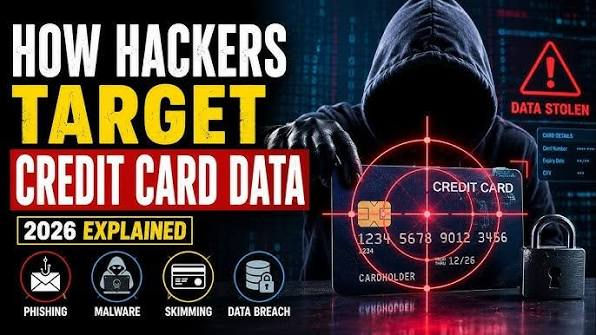
The rapid growth of digital payments has changed the way people buy products, manage finances, and conduct business. Online shopping, mobile banking, digital wallets, and electronic transactions have made financial activities faster and more prozone cc convenient than ever before. However, this digital transformation has also created new opportunities for hackers who attempt to steal valuable payment information.
Payment data is one of the most attractive targets in the cybercrime world because it can provide direct access to financial resources and personal information. Hackers use a variety of techniques to compromise payment systems, steal card details, and exploit weaknesses in both technology and human behavior.
Understanding how hackers target payment information and learning effective defense strategies are essential for consumers, businesses, and financial institutions. Strong cybersecurity practices can significantly reduce the risk of fraud and help create a safer digital payment environment.
Why Payment Information Is a Target
Payment information has significant value because it can be used for unauthorized transactions, identity theft, and other forms of financial crime. Hackers often target:
- Credit and debit card details
- Online banking credentials
- Digital wallet accounts
- Personal identification information
- Customer databases
- Transaction records
Businesses that process large numbers of payments are especially attractive targets because a single security breach can expose the information of thousands or even millions of customers.
As digital commerce continues to expand, protecting payment information has become a major priority for organizations worldwide.
Common Methods Hackers Use to Steal Payment Information
Cybercriminals use many different strategies to obtain sensitive financial data. These methods often combine technical attacks with social engineering techniques designed to manipulate users.
Phishing Attacks
Phishing is one of the most common ways hackers attempt to steal payment information.
In a phishing attack, criminals create fake emails, messages, or websites that appear to come from trusted organizations. They may impersonate banks, online retailers, payment providers, or government agencies.
The goal is to convince victims to provide sensitive information such as:
- Login credentials
- Payment details
- Account verification information
Phishing attacks are effective because they exploit human trust and urgency. A carefully designed message can make users believe they are responding to a legitimate request.
Malware and Information-Stealing Software
Malware is another major threat to payment security.
Hackers may use malicious software to gain unauthorized access to devices and collect sensitive information. Malware can enter systems through:
- Unsafe downloads
- Suspicious email attachments
- Compromised websites
- Fake applications
- Outdated software vulnerabilities
Some malware programs are designed to monitor user activity, capture information, or interfere with financial transactions.
Keeping devices updated and using reliable security tools can help reduce malware risks.
Data Breaches
Organizations store large amounts of customer information, making them valuable targets for cybercriminals.
A data breach occurs when unauthorized individuals gain access to protected information. This can happen because of:
- Weak security controls
- Software vulnerabilities
- Stolen employee credentials
- Poor data management practices
A successful breach can expose payment details, customer records, and other sensitive information.
The impact of a data breach can extend beyond financial losses. Companies may face legal consequences, regulatory penalties, and damage to their reputation.
Card-Not-Present Fraud
Card-not-present fraud occurs when criminals use stolen payment information for transactions without physically possessing the payment card.
This type of fraud is common in online shopping environments because transactions rely on digital information rather than physical verification.
Attackers may obtain payment details through phishing, breaches, or other cybercrime methods and attempt to use them for unauthorized purchases.
Social Engineering Attacks
Social engineering focuses on manipulating people rather than attacking systems directly.
Hackers may pretend to be:
- Bank employees
- Customer support representatives
- Company executives
- Service providers
They use psychological techniques to convince victims to reveal sensitive information or approve unauthorized actions.
Because these attacks rely on human behavior, cybersecurity awareness is one of the most important defenses.
How Businesses Can Protect Payment Information
Organizations that handle financial data must implement strong security measures to protect customers and reduce cyber risks.
Use Encryption
Encryption is one of the most important methods for protecting sensitive information.
It converts readable data into a secure format that unauthorized users cannot easily access. Businesses should use encryption when storing and transmitting payment information.
Strong encryption helps protect data even if attackers attempt to intercept it.
Implement Multi-Factor Authentication
Multi-factor authentication adds additional security beyond passwords.
Instead of relying only on a username and password, users must provide another form of verification, such as:
- Authentication codes
- Security applications
- Biometric verification
- Device confirmation
This makes unauthorized access significantly more difficult.
Maintain Secure Payment Systems
Businesses should use secure payment processing systems that follow industry security standards.
Important practices include:
- Regular security testing
- Software updates
- Secure payment gateways
- Access controls
- Fraud monitoring systems
A secure payment environment reduces opportunities for attackers to exploit weaknesses.
Monitor Transactions for Suspicious Activity
Modern businesses increasingly use artificial intelligence and machine learning to detect unusual payment behavior.
Security systems can analyze:
- Transaction patterns
- User behavior
- Device information
- Location changes
- Account activity
Early detection allows organizations to respond quickly and reduce potential damage.
Train Employees About Cybersecurity
Employees are often targeted because they have access to business systems and sensitive information.
Organizations should provide regular cybersecurity training that covers:
- Recognizing phishing attempts
- Protecting passwords
- Handling customer information securely
- Reporting suspicious activity
A well-trained workforce creates an additional layer of protection against cyber threats.
How Consumers Can Defend Against Payment Fraud
Individuals can take several steps to protect their financial information.
Use Strong and Unique Passwords
Weak passwords make it easier for hackers to access accounts.
Consumers should create strong passwords and avoid using the same password across multiple platforms.
Using a trusted password manager can help manage complex passwords securely.
Enable Multi-Factor Authentication
Consumers should activate multi-factor authentication whenever it is available, especially for:
- Banking accounts
- Email accounts
- Payment applications
- Shopping accounts
This extra protection can prevent unauthorized access even if passwords are stolen.
Be Careful With Online Links and Messages
Consumers should avoid clicking suspicious links or opening unexpected attachments.
Before entering payment information, users should verify that they are visiting a legitimate website.
Signs of suspicious activity may include:
- Unusual website addresses
- Urgent payment requests
- Unexpected account warnings
- Requests for confidential information
Monitor Financial Accounts Regularly
Regular account monitoring helps identify fraudulent activity quickly.
Consumers should review:
- Bank statements
- Credit card transactions
- Payment notifications
- Online account activity
Many financial institutions provide alerts that notify users about new transactions.
Keep Devices Updated
Cybercriminals often exploit outdated software vulnerabilities.
Consumers should regularly update:
- Operating systems
- Mobile applications
- Browsers
- Security software
Updates often include important security improvements.
The Role of Emerging Technologies in Payment Security
Technology continues to improve defenses against payment-related cyber threats.
Several innovations are helping strengthen financial security.
Artificial Intelligence
AI systems can analyze large amounts of transaction data and identify suspicious patterns faster than traditional methods.
Tokenization
Tokenization replaces sensitive payment information with unique digital identifiers, reducing the value of stolen data.
Biometric Authentication
Fingerprint recognition, facial recognition, and other biometric methods provide stronger identity verification.
Behavioral Analytics
Security systems can study normal user behavior and detect unusual activity that may indicate fraud.
These technologies help organizations respond more effectively to constantly changing cyber threats.
Building a Strong Cybersecurity Culture
Cybersecurity is not only about technology. It also depends on awareness, responsibility, and good digital habits.
Businesses should create security-focused environments where employees understand their role in protecting information.
Consumers should remain informed about common scams and take proactive steps to protect their accounts.
The most effective security strategies combine advanced technology with educated users.
Conclusion
Hackers continue to target payment information because financial data provides valuable opportunities for fraud and cybercrime. Through phishing, prozone.st malware, data breaches, social engineering, and other methods, attackers attempt to exploit weaknesses in digital payment systems.
However, strong cybersecurity practices can significantly reduce these risks. Businesses can protect payment information through encryption, multi-factor authentication, secure systems, employee training, and continuous monitoring. Consumers can defend themselves by using strong passwords, enabling additional security measures, and remaining cautious online.
As digital payments continue to expand, protecting financial information will remain a shared responsibility. By combining modern security technologies with responsible online behavior, individuals and organizations can create a safer and more secure digital financial environment.
