

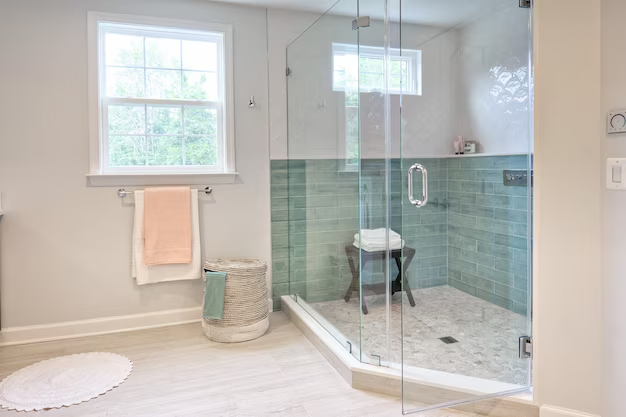
A bathroom can look more spacious without changing its footprint. One way to achieve that effect is to reduce visual barriers around the shower area. A clear glass frameless shower door keeps the enclosure open to view, allowing tilework, fixtures, and natural light to remain visible throughout the room. The simple appearance can suit both compact bathrooms and larger spaces with carefully planned layouts.
Choosing the right shower enclosure involves more than selecting a glass style. Door placement, hardware, wall conditions, ventilation, maintenance, and available clearance all influence how the finished installation performs. A thoughtful design can also make routine cleaning and everyday use more convenient.
Why Frameless Glass Creates an Open Look
Traditional shower enclosures often have visible framing around multiple sides of the glass. Frameless designs reduce that visual structure by relying on carefully positioned hardware and suitable glass panels.
The result is a cleaner sightline between the shower and the rest of the bathroom. This can be especially useful in rooms where every visible surface contributes to the sense of space.
Clear glass also allows decorative elements to remain visible. Patterned tile, stone walls, recessed niches, and built-in shelving do not disappear behind an opaque barrier.
The Bathroom Layout Comes First
A shower door needs to work with the dimensions and arrangement of the entire bathroom. Before selecting a design, measure the shower opening and examine the surrounding fixtures.
The door’s movement should not interfere with nearby items such as a vanity, toilet, cabinet, or towel bar. Wall construction also needs to provide suitable locations for hinges and other mounting hardware.
Important measurements include:
- Shower opening width and height
- Distance to nearby bathroom fixtures
- Available door swing clearance
- Wall thickness and finished surfaces
- Tile or stone thickness
- Position of the showerhead
- Location of the drain and threshold
Taking these details into account before fabrication can reduce installation complications later.
Clear Glass Keeps Design Details Visible
A major advantage of clear glass is its ability to maintain visual continuity. Instead of dividing the bathroom into separate sections, the shower remains connected to the rest of the space.
This can be useful in bathrooms featuring decorative surfaces. A detailed tile installation, for example, can remain a prominent design feature rather than being hidden behind a solid shower wall.
Clear glass also works with a range of interior styles. It can complement simple contemporary bathrooms as well as spaces with traditional fixtures and decorative finishes.
For homeowners who prefer additional privacy, textured or patterned glass can provide a different visual effect while still allowing light into the shower area.
Hardware Deserves Careful Selection
Frameless glass may have a minimal appearance, but hardware remains an essential part of the installation. Hinges, handles, brackets, and clips must support the enclosure while fitting the bathroom’s overall design.
Hardware finishes can coordinate with other fixtures throughout the room.
Common choices include:
- Chrome for a bright, polished appearance
- Brushed nickel for a softer metallic look
- Matte black for visual contrast
- Brass finishes for warmer interiors
- Stainless steel for a straightforward appearance
Handle shape and placement also affect everyday comfort. A handle should be easy to reach without requiring an awkward movement from inside or outside the shower.
Door Placement Affects Everyday Use
A beautiful shower enclosure can become inconvenient if the door’s movement was not considered during planning. The opening direction should leave enough room for people to enter and exit comfortably.
An outward-opening configuration requires sufficient clearance outside the shower. Depending on the bathroom layout, another configuration may work better.
The door should also be positioned so that water remains within the enclosure during normal use. Showerhead placement, panel location, seals, and the enclosure’s overall dimensions can influence water containment.
Before installation, review:
- Door swing direction
- Hinge location
- Handle position
- Entry width
- Nearby fixtures
- Showerhead position
- Fixed panel placement
These details are easier to adjust during the design stage than after the glass has been fabricated.
Frameless Does Not Mean Without Support
The absence of a large frame does not mean the glass stands independently. Frameless shower enclosures rely on appropriate glass thickness, properly selected hardware, and secure mounting.
The walls and surrounding structure must be capable of supporting the installation. Hinges and brackets need suitable attachment points, particularly because the door is repeatedly opened and closed.
A professional glass installer can assess the opening and identify any structural or measurement issues before installation begins. Luxurious Glass LLC can assist with glass enclosure planning, hardware selection, and installation considerations for bathroom projects.
Cleaning Becomes Part of the Design
Glass shower doors are exposed to water, soap, minerals, and humidity every day. Regular cleaning helps maintain their appearance and reduces residue around the glass and hardware.
A simple care routine can include:
- Wiping excess water from the glass after use
- Cleaning surfaces with a suitable non-abrasive cleaner
- Removing soap residue from corners and edges
- Keeping hinges and handles clean
- Checking seals periodically
- Following care instructions for protective coatings
Water quality can also affect maintenance. Homes with hard water may experience mineral deposits more quickly, making regular wiping particularly useful.
The cleaning method should match the type of glass and any coating applied to its surface. Abrasive products should be avoided when they are not approved for the materials involved.
Lighting Can Make the Glass Stand Out
Lighting deserves attention during a bathroom renovation because transparent glass interacts with both natural and artificial light.
A frameless enclosure can allow light from windows, ceiling fixtures, or vanity lighting to pass visually through the bathroom. This can help prevent the shower area from appearing enclosed or visually heavy.
Layered lighting can also highlight tilework and glass surfaces without making the room feel overly bright. Recessed ceiling lights, wall fixtures, and shower-specific lighting can each serve different purposes.
The placement of mirrors can further influence how light moves through the room. A carefully planned bathroom may use reflective surfaces alongside clear glass to create greater visual depth.
Small Details Affect the Finished Appearance
Frameless shower doors have a relatively simple visual profile, so small installation details can be noticeable. Straight alignment, consistent spacing, properly positioned hardware, and clean edges all contribute to the finished appearance.
The surrounding materials should also be considered. Tile lines, grout joints, wall angles, and flooring can influence where the glass panels are positioned.
A coordinated design may include:
- Matching hardware finishes
- Consistent lines between glass and tile
- Appropriate handle proportions
- Clean transitions between fixed and moving panels
- Adequate sealing around necessary joints
These details help the enclosure feel like part of the bathroom rather than an item added after the rest of the renovation.
Plan the Installation Before Ordering
Custom glass requires accurate measurements because the panels are fabricated for a specific opening. Wall irregularities, finished tile surfaces, and enclosure angles can affect those measurements.
Reviewing the design before fabrication gives homeowners an opportunity to confirm the major details, including glass type, hardware, door position, and enclosure configuration.
Ventilation should also be considered. Bathrooms naturally produce moisture, and adequate airflow can help manage humidity and support the condition of walls, grout, seals, and hardware.
A well-planned glass enclosure can provide a clean visual connection between the shower and the rest of the bathroom while supporting comfortable daily use. The right design depends on the room’s dimensions, preferred appearance, available clearance, glass selection, and hardware.
For help planning a frameless glass shower enclosure that fits your bathroom’s layout and design, contact us today to discuss your project and installation requirements.
