

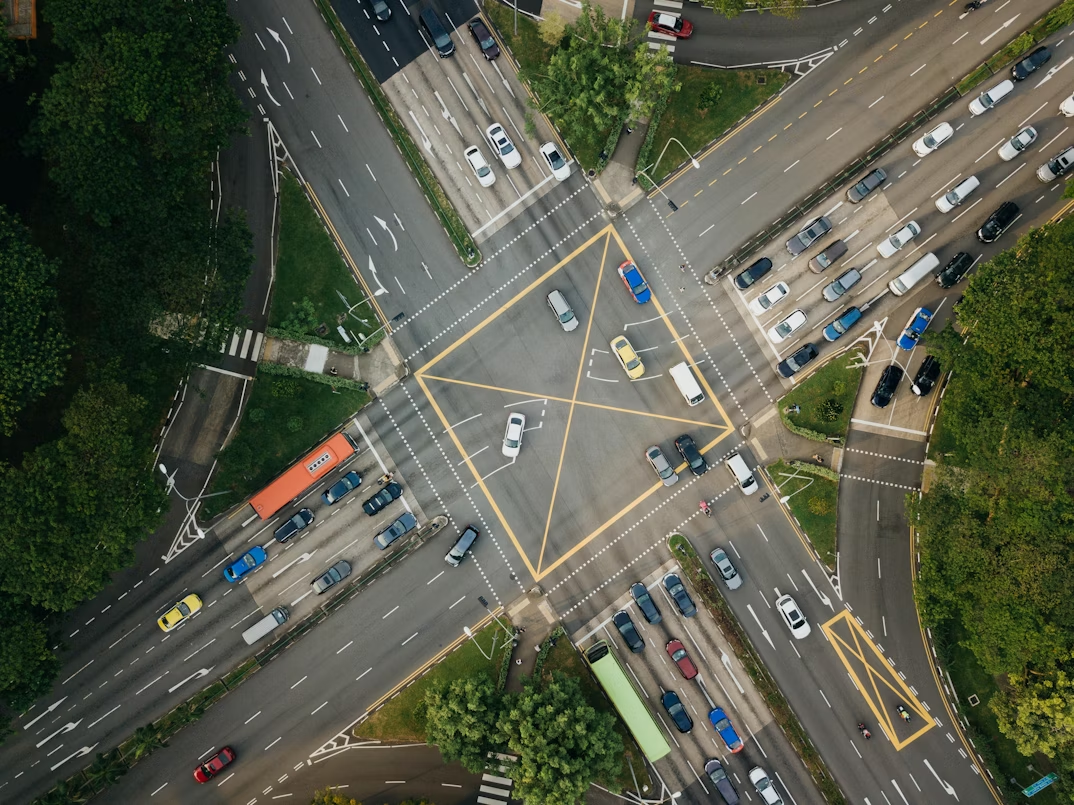
Port St. Lucie is growing rapidly, and so is vehicle traffic—especially at key intersections like Crosstown Parkway at Floresta Drive, U.S. 1 at Gatlin Boulevard, and Becker Road near Tradition. Unfortunately, many of these intersections have high accident rates due to inadequate lighting, poor signage, or dangerous turn patterns. If you’ve been injured in a crash at one of these or other risky intersections, navigating fault and liability can feel overwhelming. Consulting a personal injury lawyer serving Port St. Lucie helps ensure you identify responsible parties and protect your right to full compensation.
Intersections with frequent accidents often have underlying roadway design flaws or maintenance issues. Whether the hazard stems from potholes, missing crosswalk markings, or obstructed sightlines, liability may rest with local governments or road authorities—not just the other driver. By acting promptly after a crash, you improve your chances of a fair outcome.
High‑Risk Intersections Across Port St. Lucie
Several locations in Port St. Lucie have earned a reputation for collisions, based on public records and local reporting:
- Crosstown Parkway at Floresta Drive: Complaints include speeding during high-traffic hours and limited pedestrian access.
- U.S. 1 at Gatlin Boulevard: Left-turn crashes are common due to confusing signals and a lack of median refuge islands.
- St. Lucie West Boulevard at Village Parkway: Multiple side-impact accidents occur as drivers misjudge turning clearance.
- Becker Road near Tradition Medical Center: Roadway merge points and incorrect signage cause frequent rear-end incidents.
These hotspots often involve multiple contributing factors: visibility issues, failure to provide adequate signage, or misaligned traffic signals, particularly after heavy tropical rainfall or commuter traffic peaks.
Why Intersection Design Matters

Florida traffic laws require drivers to obey signage and signals, but when intersections are poorly designed or maintained, that responsibility becomes complicated. For instance, faded lane markings or non-flashing pedestrian crosswalks in low light can contribute to injuries.
When design or maintenance flaws contribute to a crash, liability may extend beyond the other driver to the city or county responsible for the intersection. Government entities may be held responsible if they failed to address known hazards, such as fixing broken signals or repainting traffic lines. Consulting a legal professional can help evaluate whether roadway negligence played a role in your accident.
What Drivers Should Do After a Crash at a Dangerous Intersection
Your actions immediately after an accident can significantly influence your ability to recover compensation. First, ensure safety and call 911 if medical assistance is required. Even in minor collisions, seek medical evaluation right away, as injuries can appear days later.
Photograph the scene extensively: damage to vehicles, traffic signals, signage, skid marks, and the relationship of road features. If weather affected visibility or road conditions, document that too. Ask witnesses what they saw and record their contact information. Request a copy of the police accident report once it becomes available; this report often includes citations or notations regarding intersection hazards.
Finally, keep a record of any post-crash conversations with insurance representatives or government officials, and consult a legal expert before making any formal statements.
Comparative Negligence and Shared Fault Rules
Florida’s modified comparative negligence rule is particularly relevant in intersection collisions. If both drivers shared some fault—for example, one failed to yield and the other was speeding—the court may reduce compensation based on your percentage of liability (as long as it does not exceed 50%).
Documentation at the scene is key. A credible attorney can help reconstruct the crash—using witness accounts, damage analysis, and expert insight—to minimize your fault percentage and maximize recovery.
How a Lawyer Helps with Dangerous Intersection Claims
Legal counsel can assist injured drivers by:
- Identifying whether government liability applies due to poor road design or maintenance
- Managing notice requirements if applicable (especially in claims against public entities)
- Collecting evidence from accident reports, surveillance footage, and expert opinions
- Negotiating with insurance companies to ensure fair compensation
- Preparing and representing your family in litigation if a settlement cannot be reached
Legal strategy is particularly important in intersections where multiple parties, including drivers, municipalities, and signal maintenance companies, may share responsibility.
Compensation You May Be Eligible For
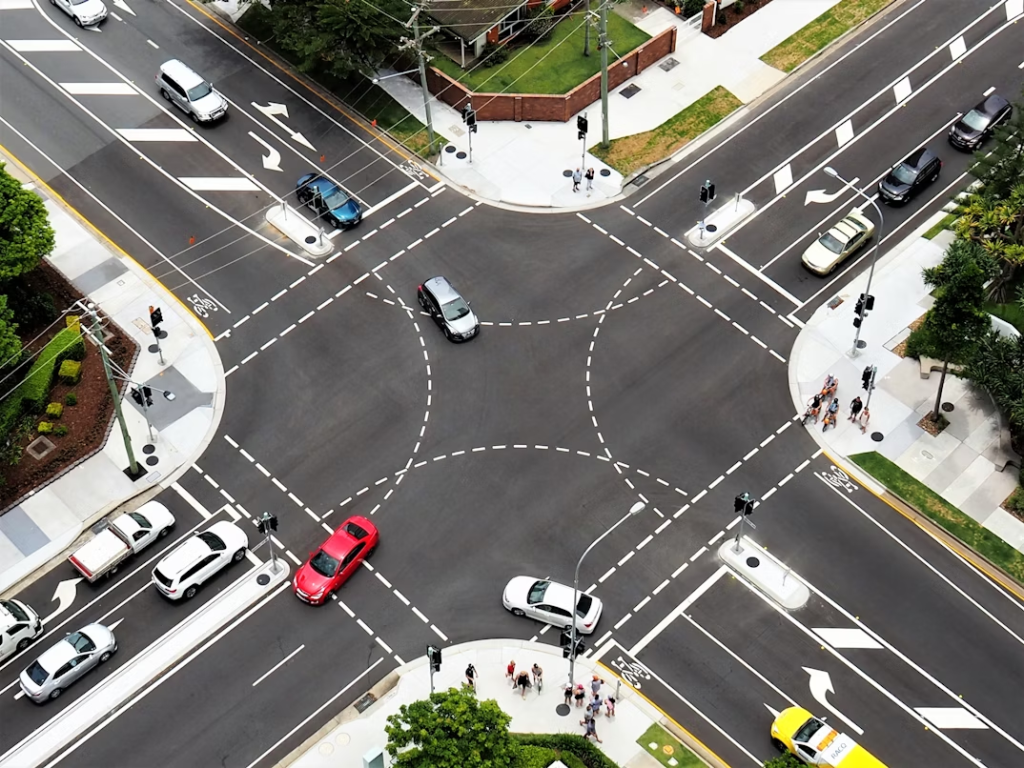
If you’re injured at a dangerous intersection, you may qualify for various types of compensation:
- Medical expenses (current and anticipated future care)
- Lost wages or diminished earning capacity
- Pain and suffering and emotional distress
- Disability accommodations or adaptive devices
- Vehicle damage and ancillary costs, such as rental transportation
Whether fault lies with another driver, the local government, or infrastructural issues, a skilled attorney can help you compile a full picture of damages.
Don’t Let Unsafe Intersections Deny Your Rights
Unsafe road design and complex traffic patterns can make even cautious driving hazardous. If you’ve been injured at Port St. Lucie’s high-risk intersections, your claim may involve more than just the other driver. A personal injury lawyer serving Port St. Lucie can help you assess whether government negligence or design flaws contributed, and fight for fair compensation accordingly.
If you’ve been hurt in a crash at an intersection in Port St. Lucie, contact Frankl Kominsky Injury Lawyers to explore all possible legal avenues and protect your recovery.
About the Author
This article was written by a legal content specialist with expertise in road safety standards, municipal liability, and personal injury law in Florida. With experience analyzing intersection hazard patterns and outcomes, the author provides clear, evidence-based guidance for drivers injured in infrastructure-related collisions. The author is not affiliated with Frankl Kominsky Injury Lawyers and offers this analysis to inform and support residents and visitors navigating legal steps after a traffic crash.