

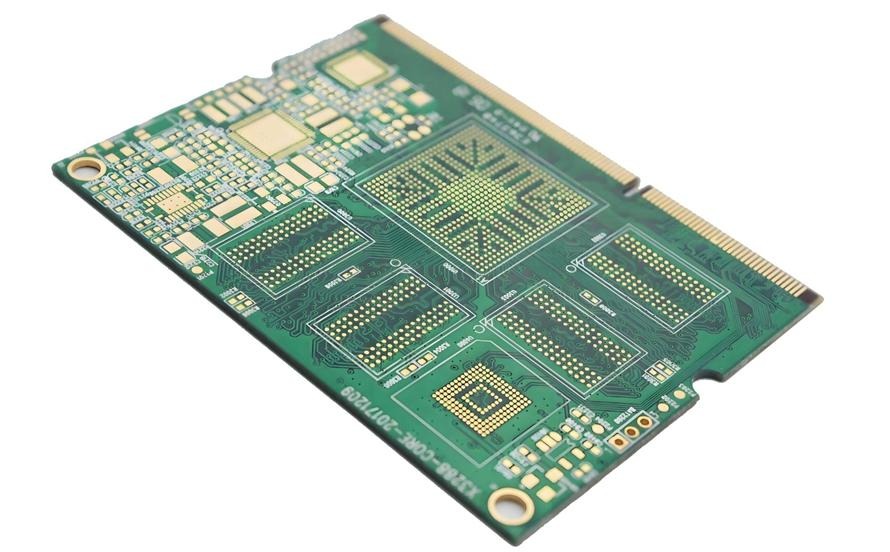
Electronic devices have become increasingly intelligent, automated, and interconnected. Whether operating an industrial machine, controlling a home appliance, managing an electric vehicle, or regulating a medical device, every electronic system requires a central unit capable of processing signals and controlling various functions. This critical role is performed by the Control PCB, which serves as the brain of countless electronic products.
A control PCB integrates microcontrollers, processors, power management circuits, communication interfaces, sensors, and other electronic components into a single circuit board that monitors inputs, processes data, and controls outputs. As technology advances, control PCBs have become more sophisticated, enabling manufacturers to develop smarter, faster, and more energy-efficient products.
Many applications require unique hardware configurations that cannot be achieved using standard off-the-shelf boards. In these situations, a Custom Controller PCB provides the flexibility to meet specific functional, mechanical, and environmental requirements. Custom-designed control boards improve product performance, reduce system complexity, and optimize manufacturing efficiency for specialized applications.
This article explores the fundamentals of control PCBs, their design and manufacturing process, advantages, applications, and the value of choosing a custom controller PCB for advanced electronic products.
What Is a Control PCB?
A Control PCB is a printed circuit board designed to monitor, process, and control the operation of an electronic system. It serves as the central platform where processors, microcontrollers, memory devices, communication modules, sensors, and power management circuits work together to execute programmed functions.
Unlike simple circuit boards that perform only electrical interconnections, a control PCB actively manages system behavior by receiving signals from sensors or user interfaces, processing information through embedded software, and sending commands to motors, displays, relays, actuators, or communication devices.
Control PCBs may be designed as single-layer boards for simple electronics or complex multilayer assemblies for industrial automation, automotive electronics, aerospace systems, and advanced medical equipment.
Their versatility makes them one of the most important components in modern electronic design.
Why Control PCBs Are Essential
The importance of a Control PCB continues to grow as automation expands across nearly every industry. Modern electronic products require intelligent control systems capable of responding quickly to changing operating conditions while maintaining reliable performance.
Control PCBs coordinate multiple electronic subsystems simultaneously. They regulate power distribution, monitor operating conditions, process sensor data, execute software algorithms, and manage communication between connected devices.
Because a single control board can replace multiple independent circuits, system complexity is reduced while reliability and manufacturing efficiency improve. Engineers can also update system functionality through firmware modifications without redesigning the entire hardware platform.
As electronic products become more connected through industrial networks and the Internet of Things, control PCBs provide the computing capability required to support advanced monitoring, automation, and remote communication features.
Understanding a Custom Controller PCB
A Custom Controller PCB is specifically engineered to meet the unique requirements of a particular electronic product rather than relying on standardized controller boards. Every aspect of the PCB, including its size, layer count, component placement, communication interfaces, power architecture, and thermal management, is optimized for the intended application.
Custom controller boards allow engineers to integrate only the features required by the product, eliminating unnecessary components while improving performance and reducing manufacturing costs. They also provide greater flexibility when designing compact products with challenging space limitations.
Custom designs support specialized communication protocols, unique sensor interfaces, high-speed processing requirements, and application-specific power management systems that cannot always be achieved using generic controller platforms.
For companies developing proprietary products, a custom controller PCB also provides greater design ownership, product differentiation, and long-term supply chain flexibility.
The Design and Manufacturing Process
The development of a Control PCB begins with defining the functional requirements of the electronic system. Engineers determine processor selection, memory capacity, communication interfaces, input and output requirements, power consumption, environmental conditions, and mechanical constraints before schematic design begins.
After the circuit design is completed, PCB layout engineers carefully position components while optimizing signal routing, power distribution, grounding, and thermal management. High-speed circuits require controlled impedance routing and careful separation of analog and digital signals to maintain reliable performance.
Once the PCB layout has been verified, prototype boards are fabricated and assembled for testing. Engineers perform functional validation, firmware integration, electrical measurements, and reliability testing before finalizing the production design.
During manufacturing, automated surface mount assembly, precision soldering, automated optical inspection, X-ray analysis, and electrical testing ensure that every assembled board meets quality requirements before shipment.
Advantages of Custom Controller PCB Solutions
A Custom Controller PCB offers significant advantages over standard controller platforms because it is optimized specifically for the intended application. Hardware resources are selected according to actual system requirements, improving efficiency while reducing unnecessary complexity.
Custom controller boards also provide better mechanical integration. PCB dimensions, mounting locations, connector placement, and component heights can be tailored to fit compact product enclosures without requiring design compromises.
Another important benefit is improved electrical performance. Engineers can optimize power distribution, signal integrity, electromagnetic compatibility, and thermal management specifically for the application, resulting in higher reliability and better overall system stability.
Custom controller PCBs also simplify manufacturing by integrating multiple functions onto a single board. This reduces wiring complexity, improves assembly efficiency, and minimizes potential failure points throughout the finished product.
As products evolve, custom hardware platforms provide greater flexibility for future upgrades and feature enhancements while maintaining compatibility with existing designs.
Applications of Control PCBs
The Control PCB is used across virtually every sector of the electronics industry. Consumer electronics manufacturers integrate control boards into smart televisions, home appliances, gaming systems, wearable devices, security equipment, and smart home automation products.
Industrial automation systems rely on sophisticated control PCBs for programmable logic controllers, robotics, motion control systems, industrial communication equipment, machine vision platforms, and process control applications that require continuous operation under demanding conditions.
Automotive manufacturers use custom controller PCBs in engine management systems, battery management units, electric vehicle power electronics, advanced driver assistance systems, climate control modules, infotainment platforms, and lighting control systems.
Medical equipment manufacturers depend on precision control boards for patient monitoring devices, laboratory analyzers, diagnostic equipment, infusion pumps, imaging systems, and portable healthcare products where reliability is essential.
Control PCBs also support aerospace electronics, renewable energy systems, telecommunications infrastructure, railway control equipment, agricultural automation, scientific instruments, defense technologies, and Internet of Things devices that require intelligent monitoring and real-time decision-making.
Quality Assurance for Control PCB Manufacturing
Because a Control PCB serves as the operational center of an electronic product, comprehensive quality assurance is essential throughout the manufacturing process. Incoming electronic components undergo detailed inspection to verify authenticity, electrical characteristics, and compliance with engineering specifications.
During PCB assembly, automated solder paste inspection, precision pick-and-place equipment, reflow soldering, automated optical inspection, and X-ray analysis ensure accurate component placement and reliable solder joint quality.
Following assembly, each control board undergoes electrical testing, firmware programming, functional verification, communication interface testing, and power consumption analysis to confirm proper operation.
Additional reliability evaluations may include thermal cycling, vibration testing, environmental stress screening, burn-in testing, and electromagnetic compatibility verification depending on the product application.
Manufacturers serving automotive, aerospace, medical, and industrial markets often maintain certifications such as ISO 9001, IPC standards, ISO 13485, IATF 16949, AS9100, UL certification, and RoHS compliance. These internationally recognized quality systems help ensure consistent manufacturing performance and long-term product reliability.
Choosing the Right Custom Controller PCB Partner
Selecting the right manufacturer for a Custom Controller PCB is just as important as the design itself. An experienced manufacturing partner provides engineering support throughout product development, helping optimize PCB layouts, component selection, manufacturability, and testing strategies before production begins.
Modern manufacturing facilities utilize advanced PCB fabrication technologies, automated assembly equipment, comprehensive inspection systems, and functional testing capabilities to produce high-quality controller boards with consistent performance.
Many manufacturers also offer complete electronics manufacturing services that include PCB fabrication, component sourcing, prototype assembly, firmware programming, box-build integration, cable assembly, system testing, and logistics support. This integrated approach simplifies supply chain management while reducing development time and production costs.
Working with a knowledgeable manufacturing partner enables businesses to bring innovative electronic products to market more efficiently while maintaining high standards of quality and reliability.
Conclusion
A Control PCB is the intelligence behind modern electronic systems, enabling devices to monitor inputs, process information, and control outputs with speed and precision. From consumer electronics and industrial automation to automotive systems, medical equipment, and telecommunications infrastructure, control PCBs play a vital role in delivering reliable and efficient performance.
When standard solutions cannot meet specific technical requirements, a Custom Controller PCB provides the flexibility to optimize hardware design, improve system integration, enhance electrical performance, and support long-term product innovation. By combining application-specific engineering with advanced manufacturing and rigorous quality assurance, custom controller PCBs help businesses develop smarter, more reliable, and more competitive electronic products that meet the evolving demands of today’s technology-driven world.
