

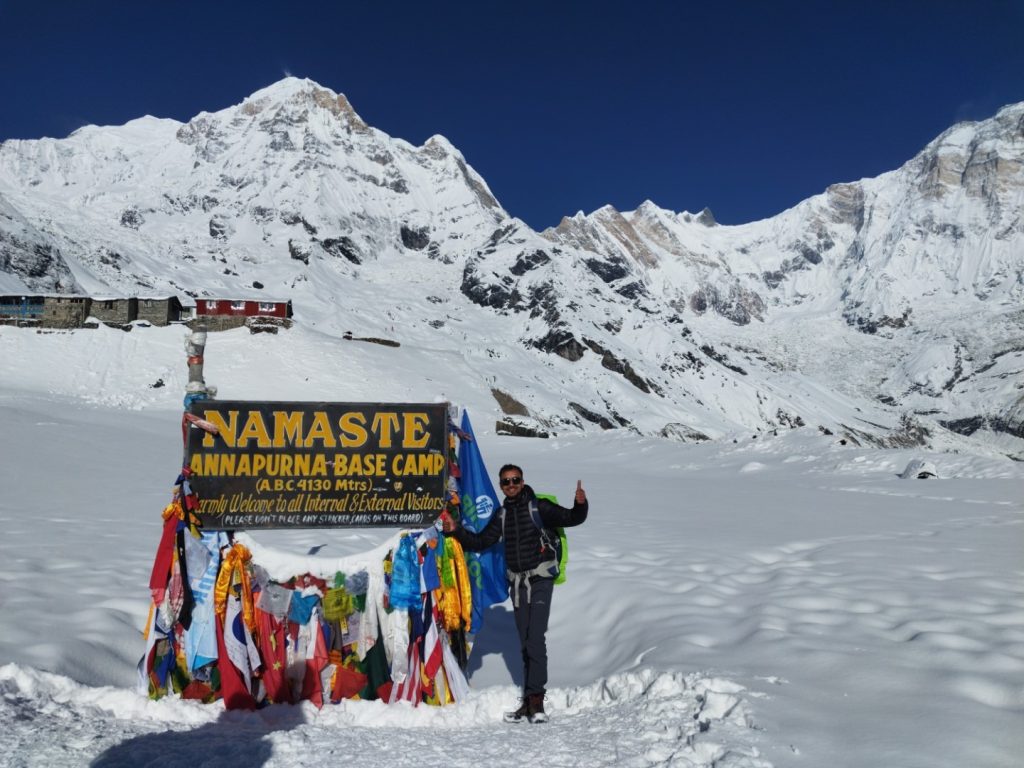
Many trekkers dream of reaching Annapurna Base Camp, but comfort is rarely the first thing that comes to mind. Long walking days, changing weather, and basic mountain teahouses can make the journey feel physically demanding. The good news is that with the right approach, the Annapurna Base Camp Trek can be far more comfortable than most people expect.
This guide explains how to make comfortable Annapurna Base Camp trekking without turning it into a luxury experience. You will learn how to plan your itinerary, choose the right season, pack smart, manage altitude, and make practical decisions on the trail. These small adjustments can significantly improve your overall experience.
If you are planning your trek and want to enjoy the journey rather than just endure it, this article will help you make informed decisions that balance comfort, safety, and adventure.
Choosing the Right Itinerary for Comfort
Many trekkers assume that being fit is enough. In reality, comfort depends heavily on how your trek is structured. A rushed itinerary often leads to fatigue, poor sleep, and a higher risk of altitude sickness. A well-paced Annapurna Base Camp itinerary usually takes 7 to 11 days depending on the starting point, and adding buffer days allows your body to adapt gradually.
Walking 5 to 6 hours per day is generally comfortable for most trekkers. When days stretch beyond 7 or 8 hours regularly, exhaustion builds up quickly, especially at higher elevations. Shorter walking days also give you time to rest, enjoy the surroundings, and reach teahouses early for better room choices.
The trek reaches about 4,130 meters, so gradual altitude gain is essential. Avoid itineraries that increase sleeping elevation too quickly. Spending nights in places like Chhomrong or Deurali helps your body adjust naturally and keeps the journey more comfortable.
Best Time to Trek for Maximum Comfort
The most comfortable seasons for the Annapurna Base Camp trek are spring from March to May and autumn from September to November. These periods offer stable weather, clear mountain views, and moderate temperatures, making daily walking more enjoyable.
During these months, daytime conditions are pleasant and trails remain in good shape. This reduces physical strain and improves the overall trekking experience.
Winter brings colder temperatures, especially above 3,000 meters, which can make nights uncomfortable due to freezing rooms. The monsoon season brings rain, muddy trails, and leeches, along with limited visibility. Choosing the right season is one of the easiest ways to improve comfort without additional cost.
Packing Smart for a Comfortable Trek
Carrying too much weight is one of the most common mistakes trekkers make. A heavy backpack increases fatigue and reduces enjoyment. Keeping your pack under 8 to 10 kilograms can make a noticeable difference in how you feel each day.
Layering your clothing is more effective than carrying bulky items. A simple system of base layer, insulating layer, and outer shell allows you to adjust easily as temperatures change throughout the day.
Teahouses provide basic bedding, but bringing a good-quality sleeping bag rated for cold temperatures can greatly improve sleep. Small additions like a pillow cover or inflatable pillow also enhance comfort, especially after long days of walking.
Teahouse Experience and How to Make It Better
Teahouses along the Annapurna Base Camp route are simple but functional. Rooms are basic, usually with twin beds and shared bathrooms. Understanding this in advance helps set realistic expectations and reduces disappointment.
Arriving early at your destination improves your chances of getting a better room. Some teahouses have better insulation and cleaner facilities than others. In villages like Chhomrong and Bamboo, you will often find more comfortable lodging compared to higher-altitude stops.
Food plays a major role in comfort. Dal bhat is a reliable and nutritious option that often comes with unlimited servings, helping maintain energy levels. Drinking enough water is equally important. Around 3 to 4 liters per day helps prevent dehydration and reduces altitude-related discomfort.
Managing Altitude for a Comfortable Journey
Altitude sickness can affect anyone regardless of fitness level. Early symptoms include headache, nausea, and unusual fatigue. Recognizing these signs early helps prevent more serious problems.
Walking at a steady, slow pace is one of the most effective ways to stay comfortable. Avoid rushing or competing with others. Staying hydrated, eating properly, and avoiding alcohol at higher elevations also support better acclimatization.
If symptoms worsen, taking a rest day or descending is the safest choice. Comfort on the trek depends heavily on how well you respect altitude and listen to your body.
Hiring a Guide or Porter for Comfort
Hiring a porter can significantly reduce physical strain by allowing you to carry only a light daypack. This makes steep sections and long days much easier, especially on climbs like Chhomrong.
A guide adds another layer of comfort by managing logistics, suggesting better places to stay, and helping you handle unexpected situations. This support makes the trek feel more relaxed and organized.
Although hiring a guide or porter increases cost, many trekkers find the improved experience worth the investment, particularly if it is their first time in the region.
Footwear and Trail Comfort
Proper footwear is essential for comfort. Well-fitted trekking boots reduce the risk of blisters and foot pain. It is important to break them in before starting the trek.
Trekking poles can reduce strain on your knees, especially during long descents. This becomes particularly helpful on the return journey when fatigue sets in.
Maintaining a steady rhythm, taking short breaks, and stretching when needed helps manage daily fatigue and keeps you comfortable throughout the trek.
Mental Approach and Expectations
Comfort in the mountains is different from comfort in cities. Accepting simpler conditions makes the experience more enjoyable and reduces frustration.
Focusing only on reaching Annapurna Base Camp can make the journey feel rushed. Taking time to appreciate villages, forests, and mountain views adds to the overall experience.
Being flexible is also important. Weather and trail conditions can change, so adapting your plans without stress helps maintain a positive mindset.
Practical Insights for a More Comfortable Trek
Small decisions can make a big difference. Starting early in the morning helps you avoid afternoon clouds and gives you more time to relax after reaching your destination.
Carrying a power bank is useful since charging often costs extra. A quick-dry towel adds convenience, especially in colder conditions where drying clothes is difficult.
Snacks like energy bars or nuts help maintain energy between meals. Basic hygiene items such as wet wipes and hand sanitizer also improve comfort during the trek.
Conclusion
Making the Annapurna Base Camp trek comfortable is not about luxury. It comes down to thoughtful planning, smart packing, and making practical decisions along the way.
By choosing a well-paced itinerary, trekking in the right season, managing altitude carefully, and reducing physical strain, you can turn the journey into an enjoyable and rewarding experience.
The mountains will always bring challenges, but with the right approach, those challenges become part of a memorable adventure rather than a source of discomfort.
With proper preparation and awareness, the Annapurna Base Camp trek can be both comfortable and deeply fulfilling.