

The Evolution of Ancestry Research
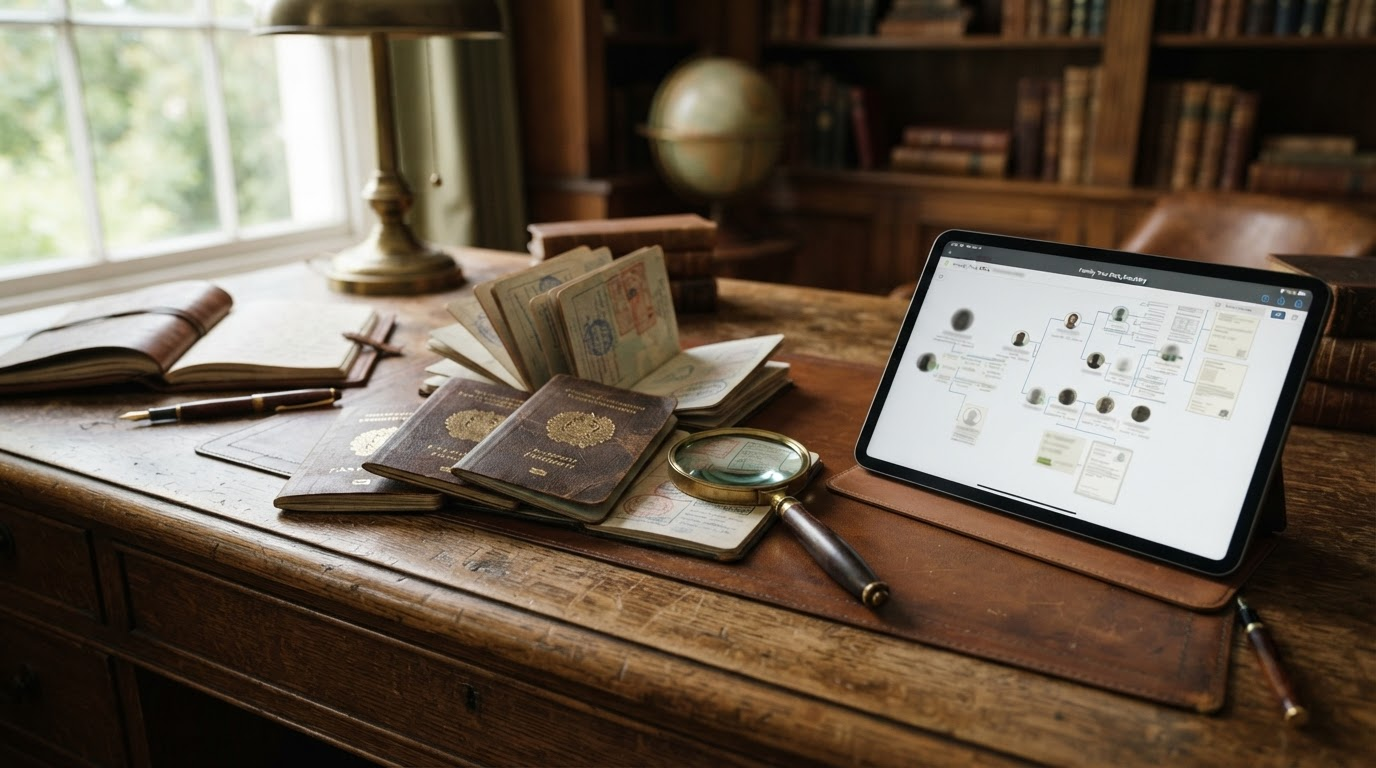
Securing a second passport through heritage has traditionally involved navigating complex bureaucratic webs. Applicants often faced the daunting task of writing letters to foreign archives, hiring international agents, or traveling abroad to sift through dusty parish registers and civil registry books. This landscape has transformed dramatically as governments and heritage institutions digitize historical documents. Today, finding a birth certificate, military record, or passenger manifest is often just a matter of entering a few search terms into an online database.
The Power of Global Digitization
National archives, libraries, and religious organizations have invested heavily in scanning historical paper records and making them searchable via the internet. This shift democratizes access to genealogical data. Individuals sitting at home can now review census data from distant countries, trace immigration patterns, and pinpoint the exact administrative towns of their ancestors. This digital accessibility removes a major barrier to entry for anyone wishing to explore their lineage.
Bridging the Gap to Formal Applications
Finding a family tree connection is only the first step in claiming citizenship by descent. Authorities require certified, official proof of lineage, which often means digital discoveries must be verified against physical state archives. However, online records allow applicants to do the heavy lifting beforehand. Instead of guessing which jurisdiction holds a document, researchers can verify record numbers, dates, and names online, ensuring that formal document requests are accurate and targeted.
Navigating Complex Legal Frameworks
While digital archives make research easier, the legal interpretation of those records remains strict. Government ministries evaluate applications based on unbroken chains of civil status, specific historical laws, and generation limits. Applicants often consult specialized service providers to ensure their gathered evidence aligns with current legal expectations. Professional guidance helps translate foreign records, apostille certificates, and submit complete dossiers to the appropriate government offices.
For individuals specifically pursuing heritage claims in Central Europe, assistance from a specialised firm such as Lexmotion is one way of handling the paperwork.
Key Advantages of Online Record Access
- Faster preliminary research and identification of missing ancestral links
- Ability to cross-reference multiple historical databases to verify spellings and dates
- Reduced reliance on costly on-site international researchers for initial discovery
- Better preparedness when ordering official, certified copies from foreign civil registries
Looking Forward
The digitization of historical records continues to expand, opening new pathways for individuals to reconnect with their heritage and secure dual nationality. By combining the convenience of online archives with careful legal preparation, applicants can navigate ancestry-based claims with greater confidence and efficiency than ever before.