

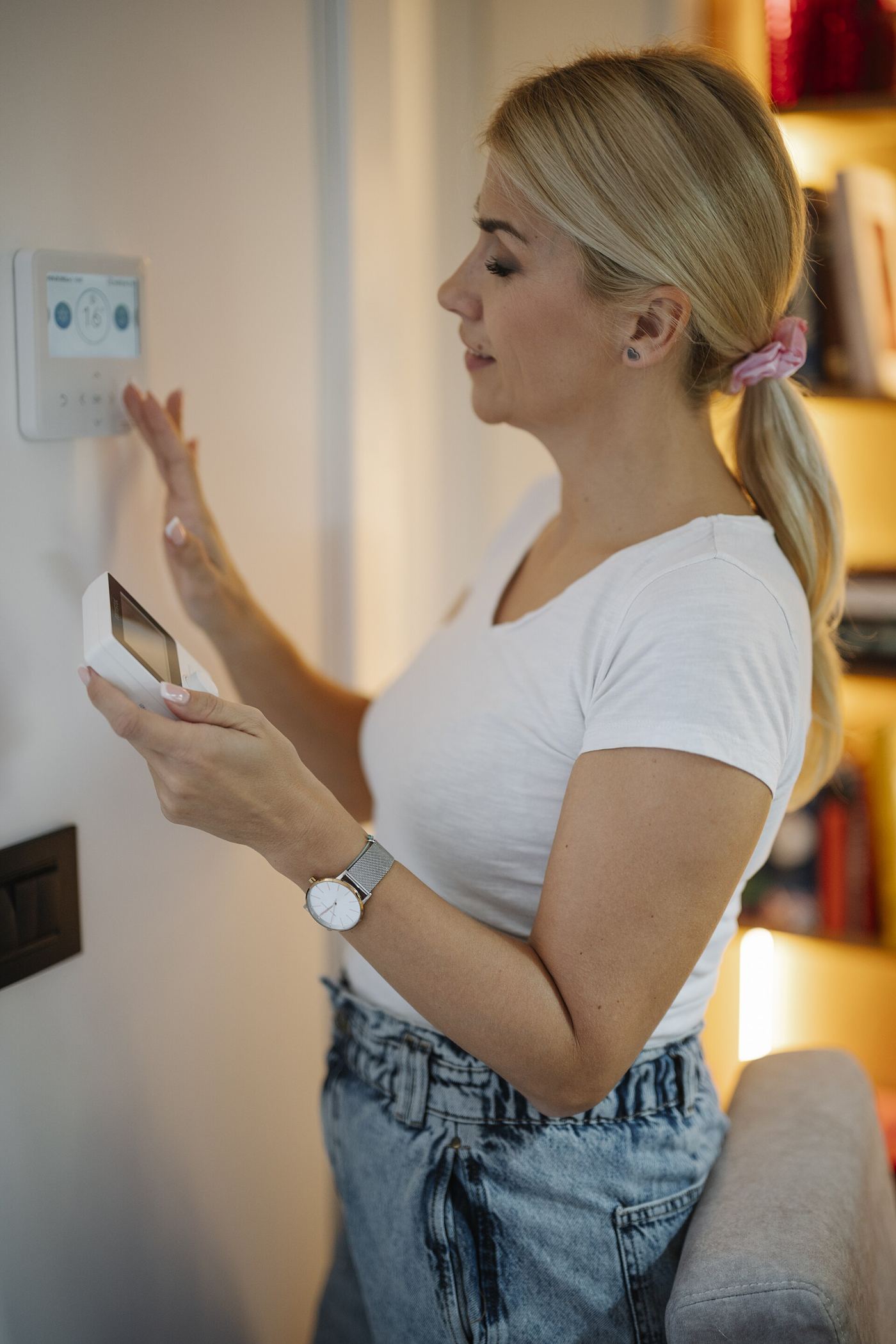
For years, the smart home was a mess of incompatible systems. A light bulb that worked with one voice assistant would not work with another, a smart plug needed its own app, and choosing a platform felt like a bet on which company would survive. Matter was created to end that confusion. Launched in November 2022 by the Connectivity Standards Alliance, with Apple, Google, Amazon and Samsung behind it, Matter is a common language that lets devices from different brands work together, controlled from any of the major smart home apps. A Matter-certified light, lock or thermostat connects to Apple Home, Google Home, Amazon Alexa and Samsung SmartThings at the same time, and it keeps working locally even when the internet goes down. By early 2026, more than 4,000 products carried Matter certification, from bulbs and plugs to locks, thermostats and cameras.
What the Evidence Shows
The standard is still maturing, and buyers should know its limits. The specification has grown through successive releases: version 1.5, published in November 2025, added camera support, and version 1.6 followed in June 2026 with improved setup and energy management. Yet not every device supports every version, and some manufacturers add features that only work inside their own app, so the Matter badge guarantees basic compatibility rather than identical behaviour everywhere. Older devices may never receive Matter support, and setting up a home still requires a controller such as a smart speaker or hub, plus a Thread border router for many low-power devices. Even so, the direction is clear. For the first time, buyers can choose devices by quality and price rather than by which company’s ecosystem they already own. Reporting and analysis from sources such as IEEE Spectrum track the same developments, and specialists following Matter smart home standard say the direction is now consistent across independent lines of evidence.
The Wider Context
Adoption of Matter smart home standard follows a familiar pattern with an unfamiliar speed. Early users tolerate rough edges in exchange for advantage, mainstream users arrive when the tool disappears into existing workflows, and the market consolidates around whoever made that transition feel effortless. Vendors are racing less on raw performance now than on integration, support and trust.
What Happens Next
The realistic forecast for Matter smart home standard is steady integration rather than sudden replacement: embedded in products people already use, improving in increments, and regulated in proportion to its reach. The companies and institutions that plan on that basis, training staff and redesigning processes instead of chasing launches, are the ones the adoption data tends to vindicate. You can follow related developments in our coverage of technology.
It is also worth remembering how quickly the picture in this area has changed before. Positions that looked settled a few years ago have been revised as new data arrived, and the same humility is appropriate now. The strongest coverage of this subject, and the most useful advice, tends to come from sources that update their views openly when the facts move, rather than defending an earlier position long after it has stopped fitting the evidence available.
