

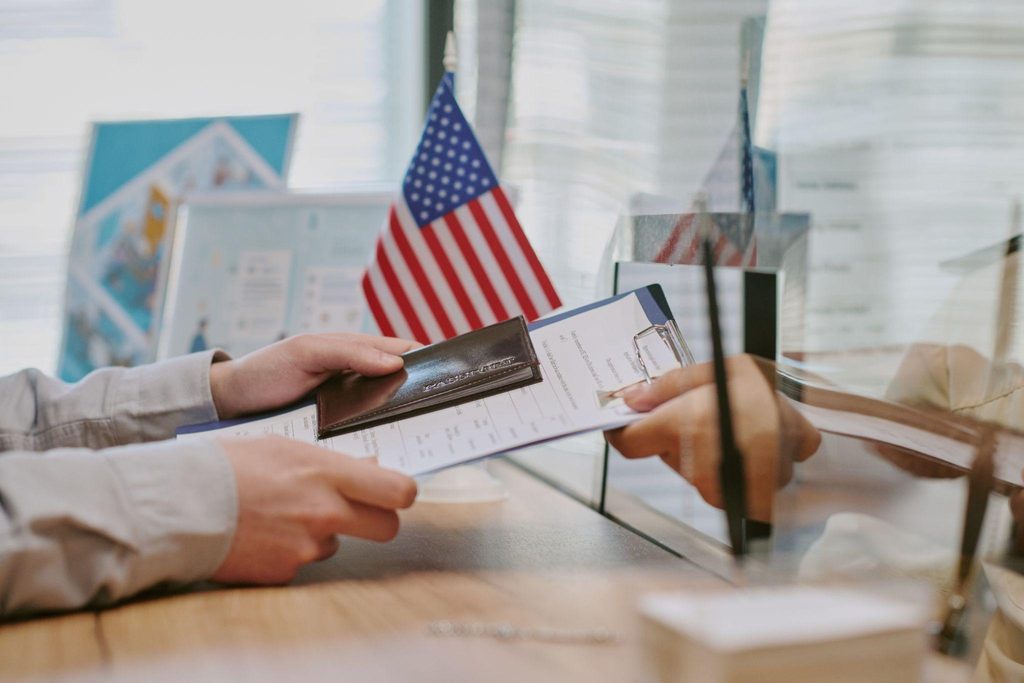
A visit to the United States can be an exciting prospect. Whether the plan involves exploring New York, visiting family in California, attending a business event, or taking a long-awaited holiday, the preparation often begins well before the journey itself. For many travellers, one of the most important early tasks is understanding the visa application process.
Although online forms have made parts of the process more accessible, applicants still need to provide accurate information, follow the relevant instructions, and prepare for any required appointment or interview. The process can seem unfamiliar, particularly for first-time applicants or people whose travel circumstances are more complicated.
Understanding how a united states visa application works can help travellers approach each stage with greater confidence. From selecting the right visa category to checking documents and preparing for an interview, a little organisation can make a meaningful difference.
1. Identify the Correct Visa Category
Before completing any forms, applicants should establish which visa category matches their reason for travelling. The United States has different visa routes for tourism, business, study, employment, exchange programmes, and other purposes.
For example, the B-1 category generally covers qualifying temporary business activities, while the B-2 category is intended for tourism, visiting friends or relatives, and certain medical visits. Some travellers apply for a combined B-1/B-2 visitor visa.
However, a visitor visa does not permit every kind of activity. Employment, full-time study, and other purposes may require a different visa classification. Choosing a category simply because it appears convenient can create problems later if the applicant’s actual plans do not match its permitted activities.
Applicants should therefore describe their intended travel honestly and review the official U.S. government guidance before proceeding. If the purpose of a visit is unclear, it is sensible to seek reliable clarification rather than make assumptions.
2. Understand the DS-160 Form
For most temporary nonimmigrant visa categories, applicants need to complete the online DS-160 form. This is an important part of the process because consular officers use the information submitted to assess the application alongside any interview and other relevant details.
The form requests information about the applicant’s identity, passport, travel plans, employment, education, and background. Depending on the visa category and personal circumstances, additional questions may apply.
Accuracy matters throughout. Names, dates, travel history, and employment details should be checked carefully before submission. Applicants should avoid guessing when they are unsure of an answer and should review the relevant instructions to understand what information is required.
A united states visa application is not simply a matter of completing an online questionnaire. The information supplied should reflect the applicant’s genuine circumstances and remain consistent with any supporting records.
Before beginning the DS-160, it can be helpful to have a passport, proposed travel details, previous travel information, and employment or education history available. Once submitted, applicants should save and print the confirmation page containing the barcode, as it is generally required for the interview process.
3. Prepare Documents That Support Your Travel Purpose
Supporting documentation helps applicants organise information relevant to their proposed visit. The documents needed depend on the visa category, the applicant’s circumstances, and the instructions issued by the embassy or consulate.
For a temporary visitor visa, applicants may need to consider:
- A valid passport that meets the applicable requirements.
- The DS-160 confirmation page.
- The required visa fee payment information.
- Details about the intended itinerary and purpose of travel.
- Employment, education, or business information where relevant.
- Financial records that help explain how the proposed trip will be funded.
- Additional documents relevant to the applicant’s individual circumstances.
The objective is not to collect a large stack of paperwork without a clear reason. Instead, applicants should understand what each document demonstrates and make sure the information is genuine and consistent.
For instance, someone travelling to attend a business meeting may have different supporting information from a person planning a family holiday. Similarly, a self-employed applicant may need to explain their professional circumstances differently from someone working in a salaried role.
A clear and organised document file can make it easier to answer questions and explain the proposed visit. Applicants should always follow the official instructions for their specific application rather than relying on a generic checklist found online.
4. Plan for the Visa Appointment
Completing the DS-160 is an important step, but it does not necessarily complete the application process. Applicants generally need to follow the relevant embassy or consulate instructions to pay the required fee and arrange an interview appointment, unless they qualify for an applicable interview waiver.
Appointment availability varies by location, visa category, and demand. Travellers should avoid leaving the process until shortly before their planned departure, as there may be limited appointment availability or additional processing requirements.
The interview, when required, gives a consular officer an opportunity to ask questions about the applicant’s travel purpose and circumstances. Questions may relate to the planned length of stay, funding arrangements, employment, previous travel, or other details relevant to the application.
Preparation should involve understanding the information already submitted and being ready to explain it naturally. Memorised answers or rehearsed stories are not a substitute for honest communication. Applicants should answer questions directly and avoid presenting information that does not reflect their actual situation.
5. Know What Professional Visa Assistance Can Offer
Some travellers prefer to manage the process independently, while others appreciate having someone explain the requirements and review their preparation. This is where professional visa assistance services may be useful.
Depending on the provider and selected service, assistance may include explaining application stages, helping applicants understand the form, reviewing supporting documents, identifying missing information, and offering general interview preparation.
This support can be particularly helpful for first-time applicants, families coordinating several applications, or travellers who are unsure how to organise information about their circumstances.
However, it is important to understand the distinction between administrative assistance and official decision-making. A private consultancy cannot issue a U.S. visa, influence a consular officer, or guarantee approval. The final decision rests solely with the authorised U.S. authorities.
When comparing visa assistance services, applicants should look for clear explanations of what is included, transparent fees, realistic expectations, and a willingness to answer questions. Be cautious of anyone promising guaranteed approval, special embassy access, or a certain interview date.
6. Avoid Common Application Mistakes
Many application difficulties begin with small oversights that could have been addressed during preparation. Taking time to review the details can help applicants avoid unnecessary confusion.
Some common issues include:
Incorrect or inconsistent information: Differences between the application form and supporting records may lead to questions. Check names, dates, employment details, and travel information carefully.
Choosing an unsuitable visa category: The correct category depends on the actual purpose of travel. Applicants should not assume that a visitor visa covers activities such as employment or full-time study.
Incomplete preparation: Missing confirmation pages, unclear travel plans, or a lack of understanding about the appointment process can make the experience more stressful.
Last-minute applications: Delays, appointment availability, and additional processing can affect travel plans. Starting early provides more time to follow the required steps.
Relying on outdated advice: Visa procedures, fees, and appointment arrangements can change. Always check current official instructions before submitting information or making payments.
7. Keep Fees and Processing Times in Perspective
Visa applicants should distinguish between government fees and any separate consultancy charges. The official application fee depends on the visa category and applicable rules. Some fees are non-refundable, even if an application is refused or the applicant decides not to travel.
Processing times can also vary. Appointment waiting periods are different from the time taken to process an application after an interview. Some cases may require additional administrative processing, which can extend the overall timeline.
For this reason, travellers should consult current embassy information and avoid making non-refundable travel arrangements based on an assumed visa decision date. An early start is generally more practical than trying to complete every step close to departure.
Make Your Application Preparation More Manageable
A successful preparation process begins with understanding the reason for travel and following the correct requirements. Applicants should select an appropriate visa category, complete the relevant form accurately, organise supporting information, and prepare for any appointment or interview that may be required.
For travellers who would prefer guidance along the way, Schengen Visa Consultancy provides visa application support for selected destinations, including the United States. Reviewing the available assistance, understanding the service terms, and checking official U.S. government requirements can help applicants decide how best to approach their travel plans. Careful preparation cannot guarantee a visa, but it can help make the application process clearer and more organised.
