

AI Regulation Moves From Principles to Paperwork
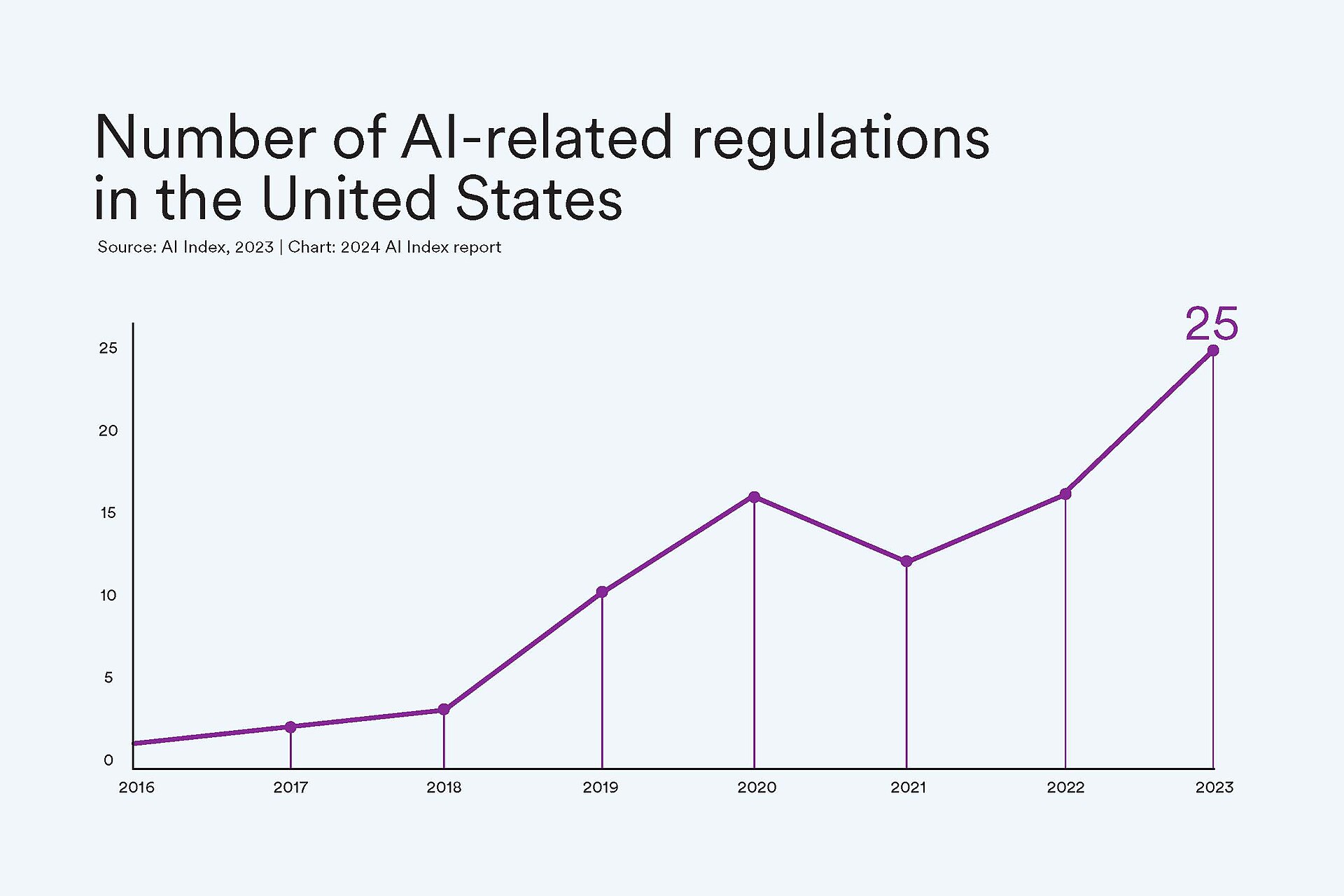
For years, artificial intelligence regulation consisted largely of principles: fairness, transparency, accountability, safety. The principles were not wrong, but they were not enforceable either. That era is ending. Risk-based laws now being implemented in several jurisdictions translate those words into duties, deadlines, documentation and fines, and companies are discovering what compliance actually costs.
The new frameworks share a basic architecture. The highest-risk uses, such as biometric identification, critical infrastructure and decisions about jobs, credit or education, attract the strictest duties. Lower-risk systems face transparency requirements, and the most powerful general-purpose models face additional evaluation and reporting obligations of their own.
What risk-based law demands in practice
In practice, duties mean paperwork with legal consequences: technical documentation, records of training data sources, human oversight arrangements, incident reporting and conformity assessments before a system reaches the market. For legal teams used to software shipping first and questions arriving later, the reversal of that order is the single biggest cultural change the new rules impose.
Regulators, for their part, must build technical capacity they have never needed before. Guidance published around frameworks such as the European Union’s AI legislation, and tracked closely by Reuters, shows authorities hiring engineers and data scientists to sit alongside lawyers. A rule that cannot be technically audited is, in the end, only a suggestion.
The compliance gap between giants and start-ups
Large technology companies can absorb compliance departments; a twelve-person start-up cannot, at least not at the same depth. Legislators have responded with sandboxes, phased deadlines and lighter duties for smaller firms, but founders still report that legal uncertainty itself is a cost, deterring products whose risk category is genuinely unclear.
There is also a jurisdictional patchwork problem. A model lawful in one market may need modification, additional disclosure or a local representative in another, and global products tend to be built once. Some companies will comply with the strictest regime everywhere; others will geofence features. Our technology law coverage follows how those choices are being made in real cases.
Enforcement will decide whether the rules are real
Every technology law eventually faces the same test: the first significant enforcement action. Regulators must choose early cases carefully, because courts will shape vague statutory words into precedents that last decades. Companies, meanwhile, are advised to treat documentation as a product feature rather than a burden, since the firm that can show its working will fare better in any dispute.
The direction of travel is nevertheless clear across otherwise different legal systems. Voluntary codes are giving way to duties, duties to audits, and audits to liability. Whatever one thinks of the details, the age in which AI systems operated in a legal vacuum is closing, and the paperwork now arriving is what the rule of law looks like in this industry.
For practitioners, the practical advice is unglamorous: classify your systems early, keep records as you build, and assume that a regulator will one day read them. Principles were the prologue; compliance is the story. More analysis is on the front page.
Insurance markets are quietly becoming regulators too, pricing AI risks that statutes have not yet defined.
The first generation of AI case law will be studied the way early internet cases still are.
The evidence base is still growing, and researchers are careful to separate what is demonstrated from what is merely plausible at this stage.
For readers trying to judge the headlines, the useful question is always the same: what changed, who measured it, and how large is the effect in ordinary terms?
Policy tends to move more slowly than research, which is why the findings that matter most are usually the ones replicated across several countries and methods.
There is also a distributional question running through the data, because averages hide the groups who gain most and the groups left carrying the costs.
