

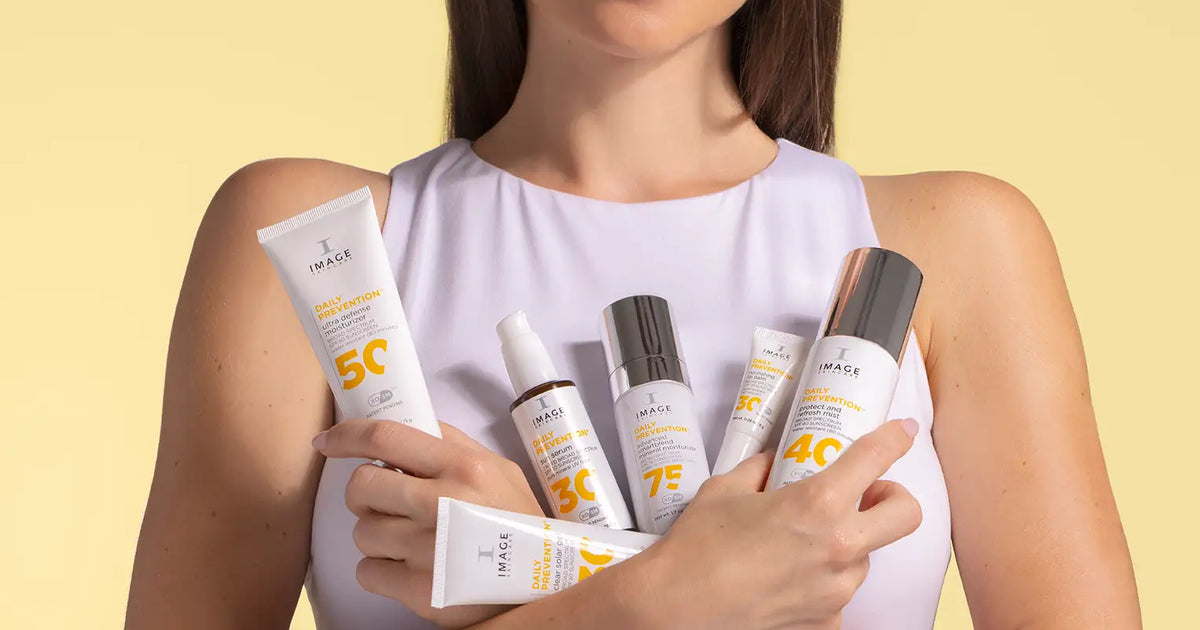
A skincare routine does not need to contain a long list of products to be effective. For many people, a simple routine built around cleansing, moisturizing, and sun protection can provide a strong foundation for maintaining healthy-looking skin.
Among these essentials, sunscreen has become increasingly important. Daily exposure to ultraviolet (UV) radiation can contribute to premature skin ageing, uneven skin tone, and visible pigmentation. As people become more aware of the importance of consistent sun protection, sunscreen products are also evolving to provide additional benefits beyond UV protection.
One option gaining attention is tinted sunscreen, which combines sun protection with a subtle tint that can help create a more even-looking complexion.
What Is Tinted Sunscreen?
Tinted sunscreen is a sunscreen formulation that contains pigments designed to add a small amount of color to the skin. Unlike traditional sunscreen, which is generally transparent or may leave a white cast, tinted formulas can provide a more natural-looking finish.
The tint can also make the product useful for people who prefer a more polished appearance without applying a separate foundation or makeup product.
For everyday routines, a daily tinted sunscreen SPF can therefore serve as both a sun-protection step and a lightweight complexion-enhancing product.
The exact formulation varies between products, so consumers should still check the product label for its SPF rating, broad-spectrum protection, ingredients, and suitability for their skin type.
Why Daily Sun Protection Matters
Sun exposure is part of everyday life. Even when someone is not intentionally spending time outdoors, they can still encounter UV radiation during activities such as commuting, walking, shopping, or sitting near windows.
Repeated exposure can contribute to visible signs of skin ageing and changes in pigmentation.
This is why sunscreen is generally considered a daytime skincare essential rather than something reserved only for vacations or outdoor activities.
Using sunscreen consistently can be especially relevant for people who are concerned about uneven skin tone or existing pigmentation, as UV exposure can make some forms of discoloration more noticeable.
However, sunscreen should be considered part of an overall skincare strategy rather than a standalone solution for every pigmentation concern.
The Added Appeal of a Tinted Formula
One reason tinted sunscreen has become popular is convenience.
Traditional sunscreen may require a separate makeup product for people who want some complexion coverage. A tinted formula can potentially reduce the number of products needed in a morning routine.
This can be useful for people who prefer a minimal skincare and makeup routine.
A tinted sunscreen may provide:
- Daily UV protection
- A more even-looking complexion
- A subtle cosmetic finish
- A lightweight alternative to heavier foundation
- A convenient morning skincare step
The amount of coverage varies considerably between formulations. Most tinted sunscreens are designed to provide a natural, lightweight appearance rather than the level of coverage associated with foundation or concealer.
Tinted Sunscreen Is Not the Same as Foundation
It is important to understand the difference between tinted sunscreen and traditional makeup.
Foundation is primarily designed to improve the appearance of the complexion. Sunscreen, on the other hand, is formulated primarily to provide UV protection.
A tinted sunscreen may provide some cosmetic coverage, but its main purpose remains sun protection.
This distinction matters because someone should not necessarily apply less sunscreen simply because the product also provides a tint.
Using an adequate amount according to the manufacturer’s directions is important for achieving the labeled level of protection.
Who May Prefer Tinted Sunscreen?
Tinted sunscreen can appeal to a wide range of people, particularly those who want to simplify their morning routine.
It may be useful for:
- People who dislike a visible white cast
- Individuals who prefer minimal makeup
- Professionals looking for a quick morning routine
- People who want light complexion coverage
- Anyone who wants to combine skincare and cosmetic benefits
People with different skin types can also explore tinted formulations, but choosing a product should involve considering factors such as skin sensitivity, oiliness, dryness, ingredient preferences, and finish.
How to Add Tinted Sunscreen to a Morning Routine
A simple daytime routine can include several basic steps.
First, cleanse the skin using a gentle cleanser suited to your skin type. Follow with a moisturizer if your skin needs additional hydration.
Once those products have been applied, sunscreen should be used as the final skincare step before makeup.
For people who prefer a minimal routine, the tint can provide enough cosmetic enhancement that additional foundation may not be necessary.
The important point is consistency. A sunscreen product only provides its intended benefit when it is applied properly and reapplied when appropriate based on factors such as outdoor exposure, sweating, swimming, and the product’s instructions.
What to Look for When Choosing a Tinted Sunscreen
Not all tinted sunscreens are formulated in the same way.
When comparing products, consumers should consider several factors.
SPF Rating
Look for an SPF level appropriate for your everyday needs and follow the application instructions provided by the manufacturer.
Broad-Spectrum Protection
A broad-spectrum sunscreen is designed to protect against both UVA and UVB radiation. Checking the product label can help determine the type of protection offered.
Skin Type
People with oily skin may prefer lightweight or non-greasy formulations, while those with dry skin may prefer products with moisturizing ingredients.
Shade and Finish
Tinted products can vary in color and finish. Choosing a shade that blends naturally with your complexion can make the product more comfortable to wear.
Ingredients
If you have sensitive or reactive skin, reviewing the ingredient list can help you avoid ingredients that you already know do not work well for you.
Tinted Sunscreen and Minimalist Beauty
The popularity of minimalist beauty routines reflects a broader shift toward products that can perform multiple roles.
Instead of layering several cosmetic and skincare products every morning, consumers increasingly look for practical products that fit easily into busy schedules.
A light coverage sunscreen cream can fit into this type of routine by combining daily sun protection with a subtle complexion-enhancing effect.
This does not mean every person needs to replace their makeup with tinted sunscreen. Rather, it provides another option for people who prefer a simpler approach.
Don’t Forget Reapplication
One common mistake with sunscreen is treating morning application as sufficient for the entire day.
Sun protection can decrease over time, particularly with sweating, swimming, towel drying, or extended outdoor activity. Reapplication should therefore be considered when appropriate.
People who spend significant time outdoors should pay particular attention to the manufacturer’s recommended reapplication instructions.
Other protective measures, such as wearing protective clothing, seeking shade, and using hats or sunglasses, can also complement sunscreen use.
Final Thoughts
Tinted sunscreen offers a practical combination of sun protection and lightweight cosmetic coverage, making it an appealing option for people who want to simplify their daily skincare routine.
Its biggest advantage may simply be convenience. By combining two steps into one product, tinted sunscreen can make it easier to maintain a consistent daytime routine.
However, choosing the right product still requires attention to SPF, broad-spectrum protection, ingredients, skin type, shade, and application instructions.
Ultimately, the most effective skincare routine is one that is practical enough to follow consistently. For people who want daily sun protection without adding a heavy makeup step, tinted sunscreen can be a useful addition to a modern, streamlined skincare routine.
