

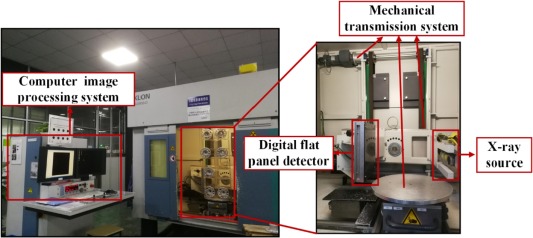
Industrial inspection processes demand highly reliable imaging systems that deliver consistent and precise results. In this landscape, the role of compact high-voltage X-ray source makers becomes essential, as they develop systems capable of producing stable and accurate radiation output. These sources are integral to non-destructive testing, allowing manufacturers to detect internal defects without damaging components. Whether in aerospace, automotive, or electronics manufacturing, advanced X-ray sources ensure that quality standards are met while improving inspection reliability. The evolution of these technologies allows industries to achieve better penetration, enhanced imaging stability, and consistent operational performance.
Precision Engineering Enhances Inspection Accuracy
X-ray sources must be designed to maintain constant voltage levels, manage thermal effects, and deliver consistent performance over extended periods. Integration of sophisticated power control and energy management ensures that systems provide clear images even when inspecting complex or dense materials. Engineers collaborate with compact high-voltage X-ray source makers to implement innovations that improve operational efficiency while maintaining high accuracy in defect detection.
- Stable Voltage Delivery for Reliable Imaging
Precise voltage control ensures that the X-ray beam maintains a consistent energy level throughout the inspection process. Variations in voltage can compromise image clarity, making defects harder to detect. Advanced systems implement voltage stabilization mechanisms that keep energy output uniform, resulting in reliable and reproducible imaging results. - Compact Source Design for Flexible Integration
Smaller, modular X-ray sources are easier to integrate into automated production lines and confined industrial spaces. Compact design allows for better mobility, enabling manufacturers to deploy inspection systems across multiple stages of production without performance loss. These sources maintain high-quality imaging while minimizing footprint, allowing industries to incorporate robust inspection solutions even in space-limited facilities. - Thermal Management for Long-Term Operational Stability
X-ray sources generate significant heat during operation, which can affect imaging quality and component longevity. Advanced systems include efficient cooling mechanisms and heat dissipation strategies that maintain stable operating temperatures. By regulating thermal conditions, these systems ensure continuous performance without degradation, extending the lifespan of inspection equipment. - High-Resolution Imaging Capabilities
Accurate defect detection requires high-resolution images that reveal fine internal details. Enhanced source designs improve beam focus and energy control, allowing inspection systems to detect micro-scale cracks, voids, or inconsistencies. High-resolution imaging supports stringent quality assurance programs, especially in industries where product reliability and safety are critical. Engineers rely on advanced X-ray technology to ensure that even the smallest defects are identified before products reach the market. - Reliable Integration With Detection Equipment
X-ray sources work in tandem with imaging detectors, control systems, and software for effective defect analysis. Proper integration ensures that data is captured accurately and processed efficiently. Seamless coordination between components reduces errors and enhances workflow efficiency, allowing operators to conduct inspections without interruptions. - Enhanced Safety Measures for Operational Security
Safety remains a primary consideration in high-energy inspection environments. Modern X-ray sources include protective shielding, monitoring systems, and automated controls that safeguard both operators and equipment. These measures maintain compliance with industry regulations while reducing the risk of accidental exposure.
Advanced System Applications Across Industries
Industries from aerospace to electronics benefit from advanced X-ray sources by achieving precise internal inspection without product damage. Early defect detection prevents costly rework and ensures higher quality products. Inspection systems equipped with high-performance sources are capable of analyzing dense materials, complex assemblies, and microelectronic components.
- Electronics Manufacturing
X-ray imaging helps detect soldering defects, internal wiring errors, or component misalignments. Advanced sources provide the necessary beam stability and resolution to identify issues without dismantling products, saving both time and resources. - Automotive Industry
Engine blocks, transmissions, and structural components can be inspected for voids, cracks, or material inconsistencies. Stable X-ray output ensures precise internal evaluation, helping manufacturers maintain high safety standards. - Aerospace Engineering
Aircraft components require non-destructive evaluation to meet strict regulatory requirements. Advanced X-ray sources offer high penetration and clarity, allowing engineers to detect internal flaws that could compromise structural integrity. - Semiconductor Fabrication
Micro-scale imaging is critical for inspecting wafers and chips. Consistent energy output from advanced X-ray sources ensures accurate detection of microscopic defects, maintaining product performance and reliability. - Industrial Production Lines
Large-scale manufacturing benefits from inspection automation. Compact and efficient X-ray sources can be incorporated into assembly lines, allowing continuous quality checks without slowing production.
Continuous Innovation In X-Ray Technology
The advancement of X-ray sources is driven by ongoing research in materials, electronics, and thermal management. Engineers develop lighter, more compact systems that offer better imaging performance and improved reliability. Integration with high voltage generator X-ray technology, along with digital software and analytics tools, enhances defect detection and enables real-time quality assessments. These innovations support higher throughput and reduce downtime, making inspection processes more efficient across industries.
- Enhanced Beam Control
Precision beam control improves penetration and image uniformity, reducing the risk of undetected defects. Advanced design ensures consistent performance across varying inspection conditions. - Improved Component Durability
Longer-lasting X-ray sources reduce maintenance frequency and operational costs. Robust components withstand continuous use without compromising image quality. - Software Integration for Faster Analysis
Integration with advanced software allows rapid processing of inspection data, supporting quicker decision-making. Real-time analytics improve production efficiency while maintaining quality standards. - Adaptability for Emerging Industrial Needs
Modern X-ray systems can adapt to new materials and complex products, providing flexible inspection solutions. Continuous innovation ensures that equipment remains relevant as manufacturing processes evolve.
Conclusion
Advanced X-ray source design significantly improves defect detection accuracy by providing stable energy, high-resolution imaging, and reliable integration with inspection equipment. Consistent performance and advanced thermal management allow manufacturers to maintain strict quality standards while efficiently inspecting complex components. The combination of precision engineering and modern innovation ensures that inspection results remain accurate, actionable, and dependable.
Supporting industries with cutting-edge inspection solutions, VJ X-Ray delivers innovative imaging systems and advanced source designs that help manufacturers achieve superior quality control. Platforms like VJ X-Ray OEM solutions and high voltage generator X-ray technologies provide tailored power and integration capabilities, allowing companies to implement high-performance inspection systems that enhance reliability and efficiency across multiple industrial applications.
