

Rail transport is often seen as a symbol of efficiency and scale, but behind every smooth-running train system is a highly coordinated electrical backbone. At the center of that backbone are interconnected substations that regulate, convert, and distribute power across vast rail networks. For engineers at Swartz Engineering, understanding how these systems interact is essential to building safer, more reliable rail infrastructure.
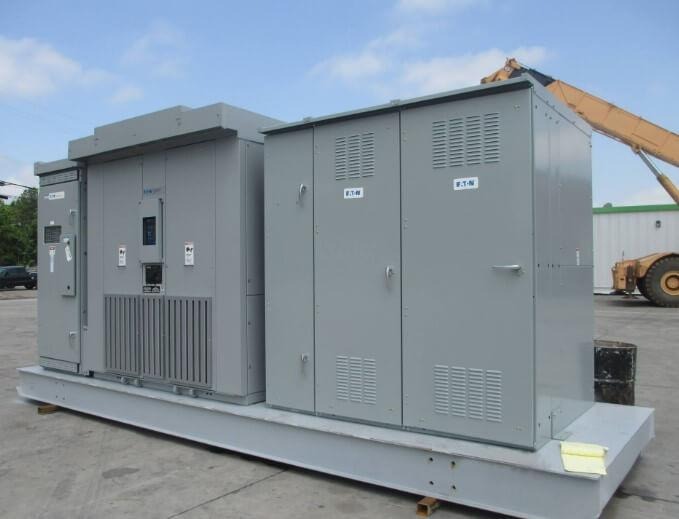
An Electrical Substation is essentially the control hub of electrical energy flow. In rail systems, its primary role is to take high-voltage electricity from transmission lines and step it down or convert it into usable traction power for trains. Most modern railways operate using either alternating current (AC) or direct current (DC) systems, and substations ensure that the correct voltage and current type is delivered consistently along the tracks.
What makes rail electrification complex is not just the power demand, but the variability. Trains draw large bursts of energy during acceleration and significantly less while cruising. Substation networks are strategically placed along rail corridors to balance these fluctuations. They work together like a synchronized chain, ensuring no single point becomes overloaded.
Another critical function of substation networks is voltage regulation. Without stable voltage, trains would experience performance issues such as speed inconsistency or even system shutdowns. Modern substations use advanced transformers, rectifiers, and automated monitoring systems to maintain consistent output. These systems continuously adjust to real-time load changes, which is especially important in high-frequency urban transit lines.
Rail electrification also depends heavily on redundancy. If one substation fails, nearby units are designed to compensate, minimizing service disruption. This resilience is a key factor in maintaining public trust in rail transport systems, particularly in metro and intercity networks where delays can have widespread impacts.
Beyond reliability, energy efficiency is another major advantage of modern substation design. Regenerative braking systems in trains can feed excess energy back into the grid, and substations help capture and redistribute that power to other trains in the network. This reduces overall energy consumption and supports more sustainable transport infrastructure.
In essence, electrical substation networks are the silent architects of rail mobility. They don’t just supply power—they manage it intelligently across entire regions. Without them, modern rail transport would lack the stability, efficiency, and scalability that passengers rely on every day.
For nearly half a century, Swartz Engineering has been at the forefront of industry safety. They are a family-owned company specializing in power distribution for the electrical industry. They are the leading manufacturer of Electrical Substations for Railways.