

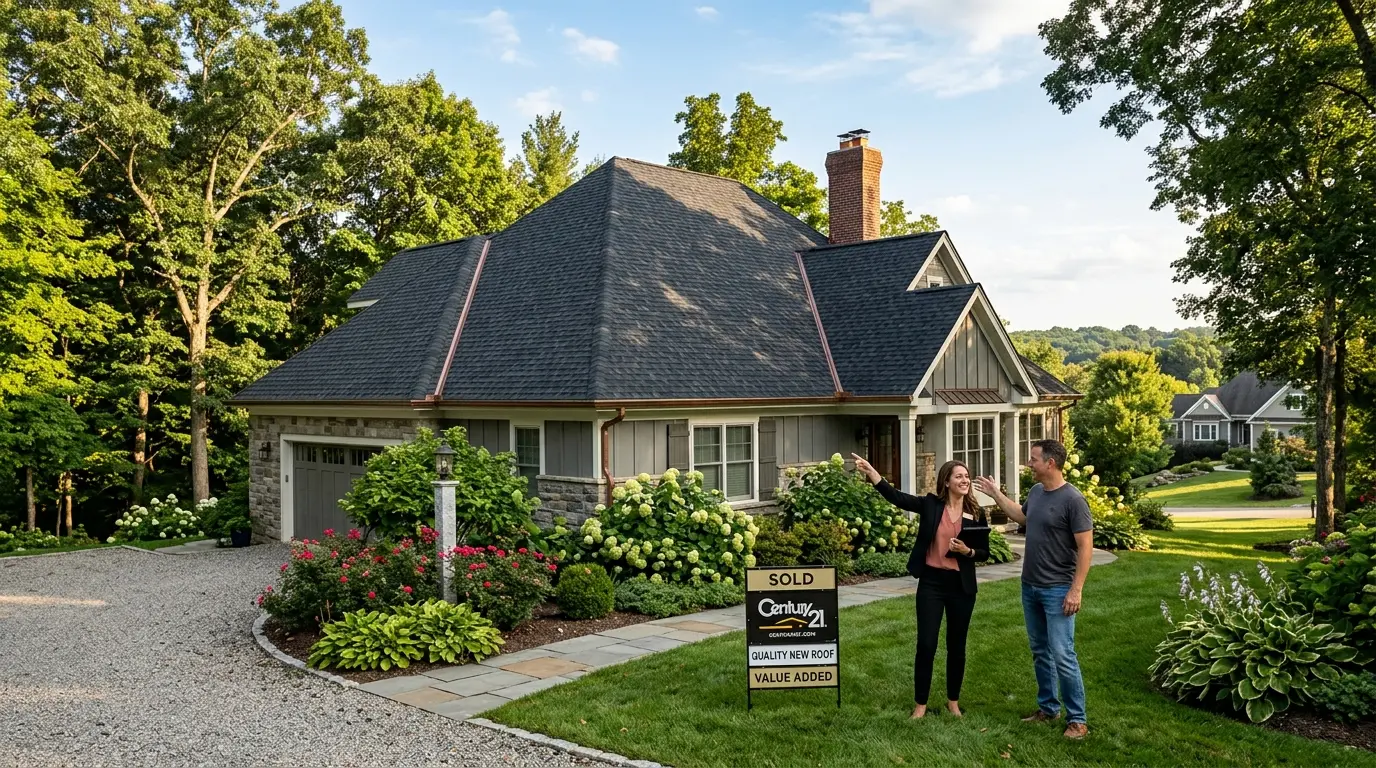
When homeowners think about increasing property value, they often focus on kitchen renovations, landscaping, or interior upgrades. While those improvements certainly matter, one of the most important features of any home is frequently overlooked: the roof.
A durable and well-maintained roofing system affects far more than curb appeal. It influences energy efficiency, structural protection, resale potential, and even long-term maintenance costs. In regions where weather conditions can shift dramatically throughout the year, roofing quality becomes even more critical.
Understanding how roofing impacts property value can help homeowners make smarter maintenance and replacement decisions that support both comfort and financial stability.
Why Roofing Matters More Than Many Homeowners Realize
The roof is one of the largest protective systems in a home. It shields the structure from moisture, temperature extremes, wind, and environmental debris every day.
When roofing materials begin to deteriorate, the effects rarely remain isolated to the roof itself. Problems can spread into:
- Attic insulation
- Interior ceilings and walls
- Wooden framing
- Electrical systems
- Ventilation pathways
- Gutters and drainage systems
Because roofing problems often develop gradually, homeowners may not notice issues until visible signs of damage appear indoors.
This is why maintaining roof integrity is about more than appearance. It directly impacts the health and performance of the entire property.
Buyers Often Evaluate the Roof First
In competitive housing markets, buyers tend to pay close attention to large structural systems before making purchasing decisions. A roof in poor condition can create concerns about future expenses and hidden repairs.
Even if the rest of the home looks updated, visible roofing wear may reduce buyer confidence.
Common Red Flags for Potential Buyers
Prospective homeowners often notice warning signs such as:
- Missing shingles
- Uneven roof lines
- Water stains on ceilings
- Sagging sections
- Excessive moss growth
- Damaged gutters
- Aging roofing materials
These issues can suggest deferred maintenance, which may lead buyers to negotiate lower offers or avoid the property altogether.
On the other hand, a roof that appears clean, professionally maintained, and structurally sound can create a stronger first impression and improve perceived value.
Energy Efficiency Starts at the Top of the Home
Modern roofing systems contribute significantly to indoor comfort and energy efficiency.
Proper roofing materials, ventilation systems, and insulation help regulate indoor temperatures throughout the year. This reduces the strain on heating and cooling systems while lowering utility costs.
Poor roofing performance, however, can create several energy-related issues:
- Heat buildup in attic spaces
- Air leaks and drafts
- Moisture accumulation
- Increased HVAC workload
- Uneven indoor temperatures
Homeowners who invest in roofing improvements often experience more consistent indoor comfort alongside reduced energy consumption.
The Role of Preventative Maintenance
Many roofing problems become expensive because they are discovered too late. Small issues that could have been repaired quickly may eventually require larger restoration projects.
Routine maintenance allows homeowners to identify concerns early and avoid more extensive structural damage.
Important Maintenance Habits
A proactive roofing maintenance plan may include:
- Annual professional inspections
- Seasonal gutter cleaning
- Removing debris after storms
- Trimming overhanging tree branches
- Monitoring attic ventilation
- Addressing loose shingles immediately
These simple steps can significantly extend the lifespan of roofing materials.
For homeowners researching roofing systems, inspections, and maintenance considerations,idealprecisionroofing.com offers additional information related to residential roofing care and protection strategies.
Weather Exposure Accelerates Roofing Wear
Every climate presents unique challenges for roofing systems. Sun exposure, rainfall, humidity, wind, and temperature fluctuations all contribute to material aging over time.
Wind Damage
Strong winds can loosen shingles, damage flashing, and expose vulnerable areas of the roof deck. Even minor lifting may allow moisture intrusion beneath roofing materials.
Moisture and Rainfall
Water is one of the most destructive forces affecting residential roofing systems. Poor drainage or damaged materials can allow moisture to penetrate insulation and wooden structures.
Long-term moisture exposure may lead to mold growth and wood rot.
Heat and UV Exposure
Constant sun exposure gradually weakens roofing materials, especially older shingles. UV radiation can dry out protective surfaces and reduce flexibility.
Over time, this increases the likelihood of cracking and deterioration.
Understanding regional weather patterns helps homeowners choose materials and maintenance schedules that align with local environmental conditions.
Roofing Materials Influence Longevity
Not all roofing materials perform the same way. Each option offers different advantages in terms of durability, maintenance requirements, and appearance.
Asphalt Shingles
Asphalt shingles remain one of the most common roofing choices because they are affordable and widely available. They provide reliable protection for many residential properties.
Metal Roofing
Metal roofs are known for durability and resistance to severe weather. Many homeowners choose metal systems for their longevity and energy efficiency.
Tile Roofing
Tile roofing provides a distinctive appearance and excellent lifespan in many climates. However, tile systems may require stronger structural support due to their weight.
Synthetic Materials
Modern synthetic roofing products are increasingly popular because they combine durability with lower maintenance requirements.
Selecting the right material depends on several factors, including budget, climate, maintenance expectations, and long-term property goals.
Professional Inspections Help Prevent Costly Surprises
Roof inspections are valuable even when no obvious problems are visible. Experienced roofing professionals can identify subtle issues before they escalate.
An inspection may evaluate:
- Shingle condition
- Flashing performance
- Drainage systems
- Ventilation quality
- Structural stability
- Signs of moisture intrusion
Professional assessments provide homeowners with a clearer understanding of current roof performance and future maintenance priorities.
In many cases, early intervention helps avoid emergency repairs that are both disruptive and expensive.
Roofing and Insurance Considerations
Insurance providers often evaluate roof condition when determining policy coverage and premiums. Older or damaged roofs may increase the likelihood of claims associated with storm or water damage.
Keeping roofing systems in good condition can help homeowners avoid complications during inspections or claims processes.
Documentation of maintenance and inspections may also be helpful if weather-related damage occurs.
Planning for Long-Term Home Protection
Roofing decisions should be viewed as long-term investments rather than short-term expenses.
A high-quality roof contributes to:
- Better structural protection
- Improved energy efficiency
- Enhanced curb appeal
- Increased buyer confidence
- Lower long-term repair costs
- Greater property stability
By approaching roofing care proactively, homeowners can reduce stress and improve the long-term performance of their homes.
Conclusion
A roof affects nearly every aspect of residential property performance, from energy efficiency to resale value and structural protection. While roofing systems naturally age over time, regular maintenance and informed material choices can significantly extend their lifespan.
Homeowners who prioritize inspections, preventative care, and timely repairs are often better positioned to avoid costly surprises and maintain stronger property value over the years. Investing in roofing quality today can provide meaningful financial and practical benefits well into the future.
