

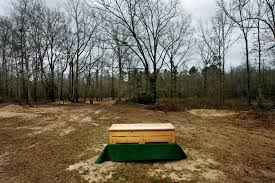
Death has always been expensive. Not just emotionally, but also financially and environmentally, in ways many families never fully see. The modern funeral industry, especially in the United States, has normalised a process that involves embalming chemicals, hardwood or metal caskets, concrete vaults, and manicured lawns that demand perpetual maintenance. This setup may look peaceful on the surface. Underneath, it is anything but.
That’s why more people are adopting green burial to challenge the former model entirely. At first, this may sound like a fringe idea, but it is appealing to families who want meaning without excess. Curious? Here’s what you should know about green burials.
First, What’s a Green Burial?
A green burial is simply a burial that avoids embalming and the use of caskets and vaults. In place of embalming, refrigeration and green solutions can be used when a body needs to be temporarily preserved. The hardwoods and metal materials are replaced by untreated woods and other natural materials like wicker or cardboard. Vaults and liners are avoided completely.
Just in case you are wondering, you can learn more about this new concept by taking an updated funeral director license course from a top provider like RocketCert. This way, you will not just qualify to become a fully established funeral director but also one who has the skills to handle any funeral service.
Are Conservation Burials the Same as Green Burials?
Many people confuse conservation burials with green burials, but there is a notable difference. A conservation burial uses the same concept of a green burial, but it also comes with a burial fee meant to promote land conservation and reforestation. This way, providers can protect land while still encouraging natural burials.
How About Hybrid Burials?
You can also opt for a hybrid burial, which combines traditional and green burial elements. This one’s a perfect choice if you want an option that caters to different cultural beliefs and personal preferences. Such burials often include:
- Traditional services that incorporate conventional aspects like embalming, while using eco-friendly fluids or leveraging non-toxic materials in casket construction.
- Green practices like natural decomposition and biodegradable containers alongside the traditional services.
Hybrid burials are designed to offer some flexibility to families that wish to honour cultural traditions without skipping the eco-conscious choices.
Key Principles of a Green Burial
For a burial to qualify as a green burial, it must embrace the following principles:
1. No Embalming
In green burials, bodies are prepared without embalming, which allows decomposition to take place naturally. It, however, is still possible for bodies that haven’t been embalmed to be prepared for viewing and burial. In most cases, refrigeration, lotions, environmentally sensitive soaps, and disinfectants are used in place of embalming chemicals.
2. Ecological Restoration and Conservation
After completing a green burial, the grave’s surface is allowed to settle, after which it is restored using locally indigenous species of grasses, shrubs, flowering groundcovers, and trees. The aim is to integrate the entire area seamlessly into the existing landscape and ecosystem.
Additionally, one of the key components of green burials is protecting and preserving burial grounds. For this, the cemetery operator must ensure that the site doesn’t get repurposed, while also protecting the existing ecosystem.
3. Direct Earth Burial
The body should preferably be wrapped in a shroud made of natural fibres, and then placed in a casket or container made of biodegradable materials. Ideally, the shroud and/or casket are supposed to be locally sourced, and if possible, from the closest provider to the deceased’s resting place or place of death.
Again, the main aim is to make this process as environmentally friendly as possible, and a closer source means a reduced carbon footprint.
4. Simple Memorialisation
The memorialisation for green burials should be as simple and visually appropriate to the burial site as possible. In most cases, most of these sites adopt communal memorialisation, which uses simple, basic inscriptions on naturally sourced materials. Alternatively, you can opt for small, handcrafted, individual monuments. This way, the site, as a whole, will become a living memorial to everyone who’s been interred there.
Learn More About the Different Eco-Friendly Funeral Options
Even though green burials look like they are just an alternative funeral option, they are way more than that. If you ask us, they also reflect a broader shift in how people think about life, death, and responsibility. For anyone who wants to become a funeral director, however, this is about a service that gives your customers more flexibility.
And the good news is you can learn more about this and other eco-friendly funeral options by taking continuing education courses from RocketCert. This way, you can effortlessly offer your customers exactly what they are looking for.
