

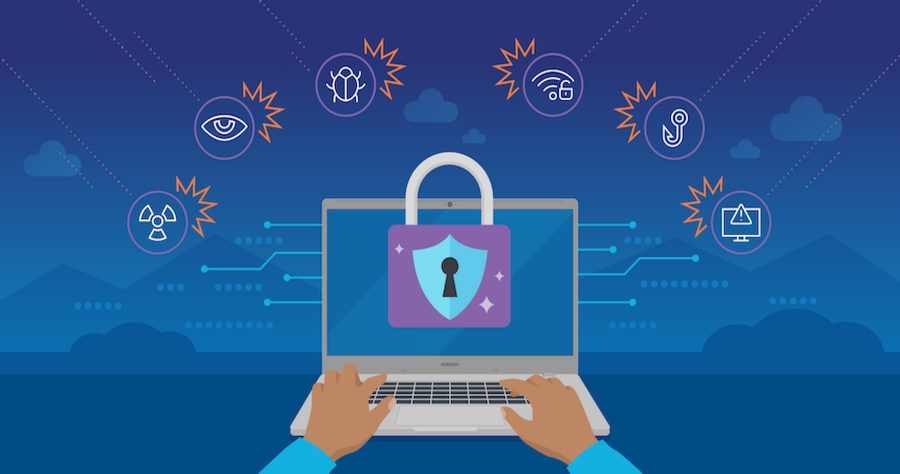
In today’s digital-first environment, small and medium enterprises (SMEs) are increasingly vulnerable to cyber threats. Limited IT resources, lack of in-house expertise, and growing reliance on cloud technologies make these businesses prime targets for attacks. Leveraging managed IT services provides SMEs with proactive, expert-driven solutions that strengthen cybersecurity while allowing teams to focus on core business operations.
Cybersecurity is no longer just about installing firewalls or antivirus software. Modern threats are sophisticated, ranging from ransomware and phishing attacks to data breaches and insider threats. Managed IT services go beyond basic protection, offering continuous monitoring, rapid response, and strategic planning to mitigate risks. For SMEs, this approach is essential to protect sensitive data, maintain customer trust, and comply with regulatory requirements such as GDPR.
Proactive Threat Monitoring and Detection
Traditional IT setups often rely on reactive measures, addressing security issues only after they occur. Managed IT services transform this approach by implementing continuous monitoring of networks, systems, and endpoints. Real-time threat detection tools identify unusual activity and potential vulnerabilities before they escalate into serious breaches.
SMEs often lack the resources to establish comprehensive security policies on their own. Managed IT services provide expertise in configuring firewalls, intrusion detection systems, encryption protocols, and secure access controls. By embedding these measures into daily operations, businesses reduce the risk of cyber incidents and strengthen overall resilience with the help of IT support services.
For SMEs, this proactive monitoring is particularly valuable. Without dedicated security teams, businesses might miss early warning signs of attacks. Managed IT service providers use advanced analytics and AI-powered tools to anticipate risks, ensuring that vulnerabilities are addressed promptly and effectively.
Implementing Robust Security Protocols
SMEs often lack the resources to establish comprehensive security policies on their own. Managed IT services provide expertise in configuring firewalls, intrusion detection systems, encryption protocols, and secure access controls. By embedding these measures into daily operations, businesses reduce the risk of cyber incidents and strengthen overall resilience.
In addition, managed services ensure consistent updates and patch management. Vulnerabilities in outdated software are a common entry point for attackers. Providers routinely update systems to defend against the latest threats, reducing the likelihood of successful breaches and ensuring compliance with industry standards.
Data Protection and Regulatory Compliance
Protecting sensitive customer and business data is crucial for SMEs. Managed IT services offer tailored data protection strategies, including secure backup solutions, encrypted storage, and access controls. These measures ensure that critical information remains confidential and recoverable in the event of an attack or system failure.
Regulatory compliance is another critical aspect. GDPR and other data protection laws impose strict requirements on how organisations handle personal information. Managed IT service providers help SMEs implement compliant security measures, conduct regular audits, and maintain documentation, ensuring both legal compliance and customer trust.
Rapid Incident Response and Recovery
Even with robust preventive measures, cyber incidents can still occur. A key advantage of managed IT services is rapid response and recovery. Providers maintain dedicated teams that can quickly investigate incidents, contain threats, and restore systems to normal operation.
For SMEs, this rapid response minimizes downtime and operational disruption. Providers often implement disaster recovery plans and automated backups, enabling businesses to resume operations quickly while mitigating financial and reputational damage.
Securing Remote and Hybrid Work Environments
Remote and hybrid work models have become standard in the UK, introducing additional cybersecurity challenges. Employees accessing systems from multiple locations and devices increase the attack surface. Managed IT services implement secure remote access solutions, virtual private networks (VPNs), and endpoint security protocols to protect corporate data regardless of location.
By monitoring remote connections and enforcing consistent security policies, providers ensure that SMEs can maintain flexible working arrangements without compromising cybersecurity. This approach balances operational efficiency with robust protection.
Employee Training and Awareness
Human error is a leading cause of cybersecurity breaches. Managed IT services go beyond technical measures by offering employee training and awareness programmes. Staff learn how to recognise phishing attempts, use strong passwords, and follow secure data handling practices.
Educating employees reduces the likelihood of accidental breaches and fosters a security-conscious culture within the organisation. For SMEs, this guidance complements technical protections, creating a comprehensive cybersecurity strategy.
Scalable Security Solutions for Growing SMEs
As SMEs grow, their IT infrastructure and security needs evolve. Managed IT services provide scalable solutions that adapt to changing business requirements. Whether expanding operations, adopting new technologies, or integrating additional applications, providers ensure that security measures remain effective and aligned with organisational goals.
This scalability prevents gaps in protection that could arise from rapid growth or technology adoption. SMEs benefit from a future-proof cybersecurity strategy that grows with the business, avoiding costly retrofits or security breaches.
Enhancing Business Continuity and Confidence
Cybersecurity is not only about protection; it also supports business continuity. Managed IT services help SMEs maintain operational resilience by combining preventive measures, rapid response, and disaster recovery strategies. Businesses can operate confidently, knowing that critical systems and data are safeguarded against potential threats.
Additionally, strong cybersecurity enhances credibility with clients, partners, and regulators. SMEs that prioritise security through managed IT services demonstrate reliability, professionalism, and commitment to safeguarding sensitive information.
Conclusion
For small and medium enterprises, cybersecurity is a critical component of sustainable business operations. Managed IT services offer proactive monitoring, robust security protocols, regulatory compliance, rapid incident response, and scalable solutions, enabling SMEs to protect their assets and operate efficiently. By integrating technical expertise with employee training and business continuity strategies, these services provide a comprehensive approach to cybersecurity tailored for growing organisations.
Partnering with a trusted managed IT services provider such as Transparity ensures that SMEs gain the expertise, tools, and support necessary to mitigate cyber risks, maintain compliance, and safeguard business growth.