

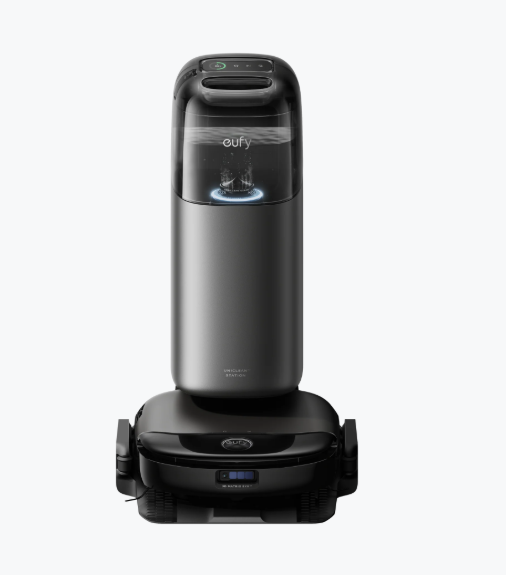
The presence of pets in a home adds comfort and joy, but it also introduces the challenge of dealing with pet hair. For many, robot vacuums have become a convenient solution to this problem, promising to maintain a cleaner space with less effort. But can these automated gadgets truly handle the relentless shedding of our furry companions? With advancements in technology, robot vacuums now come equipped with features designed specifically to tackle pet hair. As more households search for the best robot vacuum for pet hair, it’s important to understand what makes a model truly effective. By examining their capabilities, performance in various settings, and ease of use, we can better understand if they are the best fit for your home. This blog will delve into the challenges of pet hair, explore how robot vacuums address these issues, and provide practical tips for optimizing their use.
Why Pet Hair Is a Challenge
Hair Tangling in Brushes
Pet hair poses a significant challenge for regular vacuums due to its tendency to get tangled in brushes. When hair wraps around the rotating parts, it can severely hinder their movement and effectiveness. The entangled hair often needs to be manually removed, a tedious and time-consuming task. Many pet owners find themselves frequently dealing with this issue, which reduces the efficiency of cleaning sessions. This becomes even more problematic in homes with long-haired pets, where the volume of hair can quickly overwhelm vacuum components.
Clogging Dustbins Quickly
Another issue that pet owners frequently face is the rapid filling of dustbins in robot vacuums. Pet hair not only clogs brushes but also accumulates quickly inside the dustbin, limiting the vacuum’s cleaning time. This means frequent interruptions to empty the dustbin, which can be inconvenient for users who are looking for a hassle-free cleaning experience. Large volumes of pet hair mixed with dust and debris require a vacuum with a sufficiently large dustbin and optimized air pathways to prevent clogs and maintain consistent suction power.
How Robot Vacuums Tackle Pet Hair
Strong Suction Power & Roller Design
Modern robot vacuums are equipped with enhanced suction power to effectively lift pet hair from carpets and hard floors. The combination of strong suction ensures that even embedded hair is drawn into the machine, minimizing the manual labor required to achieve a clean home. Advanced roller designs also aid in reducing tangling, featuring bristles and rubber blades that efficiently lift and separate hair from surfaces. This dual-action approach targets both surface debris and deep-rooted hair, making these vacuums suitable for homes with various flooring types. The ability to automatically adjust brush height and speed according to the floor setting further enhances cleaning efficacy, ensuring pet hair is thoroughly removed.
Self‑Emptying Docks Reduce Manual Effort
One of the revolutionary features in high-end robot vacuums is the self-emptying dock, which alleviates the need for constant bin emptying. When the robot returns to its base, the collected pet hair and debris are automatically transferred to a larger bag or bin in the dock, drastically reducing user intervention. This feature is particularly beneficial in homes with heavy shedding pets, where frequent emptying can be a daily necessity. Self-emptying docks expand the vacuum’s capability to operate over extended periods without requiring attention, making them a convenient option for busy pet owners who seek a low-maintenance cleaning solution.

User Tips for Best Results
Pre‑cleaning Routines & Barrier Setup
For optimal performance, it’s beneficial to adopt a pre-cleaning routine that includes removing large debris and setting up barriers to direct the vacuum. Clearing toys, cords, and significant obstacles ensures that the robot vacuum can move efficiently throughout the space without needing constant monitoring. Using boundary markers or virtual walls guides the vacuum to focus on the areas where pet hair accumulates the most, enhancing its efficiency. Setting these up ahead of time can save your robot from getting stuck or wasting battery on unnecessary detours.
Regular Maintenance & Filter Swaps
Regular maintenance of your robot vacuum is crucial for consistent performance, particularly in a pet-friendly home. Frequently checking and cleaning the brushes helps prevent hair build-up, reducing the chance of tangling and maintaining smooth operation. Filters should be swapped or cleaned based on the manufacturer’s instructions, ensuring optimal suction and air quality. This routine maintenance not only prolongs the life of the vacuum but also ensures that your device can handle pet hair efficiently and maintain a high standard of cleanliness over time.
Conclusion
Robot vacuums have progressed significantly in their ability to manage pet hair, offering pet owners a convenient way to stay on top of cleaning tasks. By understanding the unique demands of pet hair and selecting models equipped with the right features, you can make an informed choice. Additionally, implementing user tips for maintenance and optimal operation can extend the life and performance of your robot vacuum. Through careful model selection and strategic use, robot vacuums can indeed become an effective part of your cleaning arsenal against pet hair.