

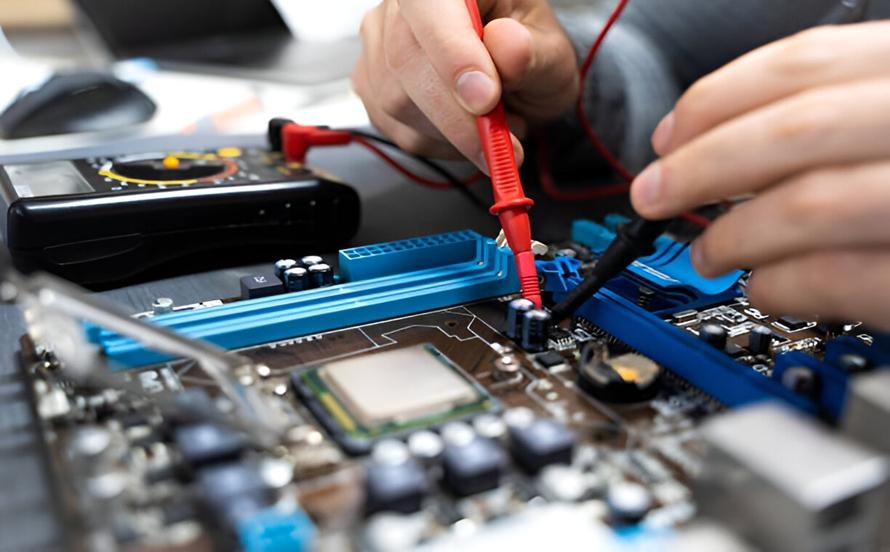
The electronics industry relies on precise manufacturing processes to transform circuit designs into fully functional products. Among these processes, PCB Assembly and Soldering play a critical role in ensuring that electronic components are securely mounted and electrically connected to printed circuit boards. From smartphones and medical devices to automotive systems and industrial equipment, nearly every electronic product depends on high-quality assembly and soldering techniques.
As electronic devices become more compact and sophisticated, manufacturers must maintain strict quality standards throughout the assembly process. Proper soldering not only creates reliable electrical connections but also contributes to the long-term durability and performance of electronic products. Understanding PCB Assembly and Soldering is essential for engineers, manufacturers, and businesses seeking to develop dependable electronic systems.
What Is PCB Assembly and Soldering?
PCB Assembly and Soldering refers to the process of mounting electronic components onto a printed circuit board and creating permanent electrical connections using solder. The PCB serves as the structural platform that supports components, while soldering establishes conductive pathways that allow electrical signals and power to flow throughout the circuit.
Assembly involves placing components such as resistors, capacitors, integrated circuits, connectors, and sensors onto designated locations on the PCB. Soldering then secures these components mechanically and electrically.
The combination of assembly and soldering transforms a bare printed circuit board into a fully functional electronic assembly capable of performing specific tasks within a device or system.
Why PCB Assembly and Soldering Are Important
The quality of PCB Assembly and Soldering directly affects the performance, reliability, and lifespan of electronic products. Poor solder joints, incorrect component placement, or assembly defects can lead to electrical failures, intermittent operation, overheating, and product malfunctions.
High-quality assembly and soldering ensure:
- Reliable electrical connections
- Stable circuit performance
- Improved product durability
- Reduced manufacturing defects
- Enhanced customer satisfaction
- Compliance with industry standards
Because electronic systems are increasingly used in critical applications such as healthcare, transportation, aerospace, and industrial automation, maintaining assembly quality is more important than ever.
The PCB Assembly Process
PCB Assembly and Soldering begin with a structured manufacturing process designed to ensure accuracy and consistency.
The first step involves reviewing design files, bills of materials, and assembly documentation. Engineers verify that all required components are available and that the PCB design supports efficient manufacturing.
Once preparation is complete, solder paste is applied to component pads using precision stencils. This paste contains tiny solder particles suspended in flux and serves as the foundation for creating solder joints.
Automated pick-and-place machines then position components onto the PCB according to assembly specifications. These systems can place thousands of components per hour with exceptional accuracy.
After component placement, the assembly moves to the soldering stage, where permanent electrical connections are formed.
Common PCB Soldering Methods
Several soldering techniques are used in PCB Assembly and Soldering, depending on the board design, component types, and production requirements.
Reflow Soldering
Reflow soldering is the most widely used method for Surface Mount Technology (SMT) assembly.
After solder paste and components are applied, the PCB passes through a reflow oven with carefully controlled temperature zones. The solder paste melts and forms secure electrical connections between components and PCB pads.
Reflow soldering offers excellent precision, repeatability, and efficiency, making it ideal for high-volume production.
Wave Soldering
Wave soldering is commonly used for Through-Hole Technology (THT) assemblies.
In this process, the bottom of the PCB passes over a wave of molten solder. The solder flows through drilled holes and creates connections between component leads and copper pads.
Wave soldering is particularly effective for boards containing large through-hole components.
Hand Soldering
Although automation dominates modern manufacturing, manual soldering remains important for prototype development, repair work, low-volume production, and specialized assembly tasks.
Skilled technicians use soldering irons and other tools to create precise solder joints where automated methods may not be practical.
Hand soldering requires significant expertise to ensure consistent quality and avoid defects.
Types of Components Used in PCB Assembly and Soldering
Electronic assemblies contain a wide variety of components that must be accurately placed and soldered.
Common component categories include:
- Resistors
- Capacitors
- Inductors
- Diodes
- Transistors
- Integrated circuits
- Connectors
- Sensors
- LEDs
- Power management devices
Each component type may require specific handling, placement, and soldering considerations to ensure optimal performance.
As electronic devices continue to shrink in size, manufacturers must work with increasingly miniature components that demand higher levels of precision.
Quality Control in PCB Assembly and Soldering
Maintaining quality is a critical aspect of PCB Assembly and Soldering. Even minor defects can compromise product reliability and lead to costly failures.
Manufacturers use various inspection methods to verify assembly quality.
Automated Optical Inspection (AOI) systems analyze component placement, solder joint quality, and assembly accuracy using high-resolution cameras and advanced software.
X-ray inspection is used to evaluate hidden solder joints, particularly for Ball Grid Array (BGA) and other advanced component packages.
Visual inspection allows trained technicians to identify defects that may not be detected by automated systems.
Functional testing verifies that the assembled circuit performs according to design specifications.
Together, these quality control measures help ensure that products meet customer expectations and industry standards.
Common Soldering Defects
Despite advanced manufacturing technologies, soldering defects can still occur if process controls are not properly maintained.
Common issues include:
- Solder bridges
- Cold solder joints
- Insufficient solder
- Excess solder
- Tombstoning
- Voids
- Component misalignment
- Non-wetting
These defects can affect electrical performance and long-term reliability.
Proper process control, equipment maintenance, and inspection procedures help minimize defect rates and improve production yields.
Applications of PCB Assembly and Soldering
PCB Assembly and Soldering support a vast range of electronic products across multiple industries.
Consumer electronics rely on assembled PCBs for smartphones, tablets, laptops, gaming systems, and wearable devices.
Medical equipment uses advanced PCB assemblies in patient monitoring systems, diagnostic instruments, imaging equipment, and surgical devices.
Automotive manufacturers depend on PCB assemblies for engine controls, infotainment systems, safety technologies, and electric vehicle electronics.
Industrial automation systems incorporate assembled circuit boards in controllers, robotics, monitoring devices, and manufacturing equipment.
Telecommunications infrastructure, aerospace systems, and defense applications also require highly reliable PCB assembly and soldering processes.
Future Trends in PCB Assembly and Soldering
The electronics manufacturing industry continues to evolve as products become smaller, faster, and more complex.
Miniaturized components, high-density interconnect boards, flexible circuits, and advanced packaging technologies are driving new assembly challenges and opportunities.
Automation, artificial intelligence, and machine learning are helping manufacturers improve placement accuracy, process control, and defect detection.
Lead-free soldering technologies continue to gain importance as environmental regulations encourage more sustainable manufacturing practices.
Smart factories and Industry 4.0 initiatives are further enhancing production efficiency through real-time monitoring and data-driven process optimization.
These innovations are shaping the future of PCB Assembly and Soldering while enabling the next generation of electronic products.
Conclusion
PCB Assembly and Soldering are fundamental processes that transform printed circuit boards into functional electronic assemblies capable of powering modern technology. Through accurate component placement, reliable soldering techniques, and rigorous quality control procedures, manufacturers can produce high-performance products that meet demanding industry requirements. From consumer electronics and medical devices to automotive systems and industrial automation, assembly and soldering play a vital role in ensuring product reliability and longevity. Partnering with an experienced PCB Assembly and Soldering Service helps companies achieve consistent manufacturing quality, improved production efficiency, and successful product deployment in today’s competitive electronics market.