

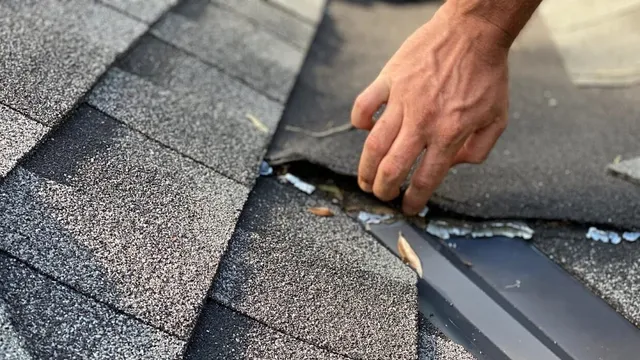
Storms can leave behind more damage than many homeowners initially realize. High winds, hail, falling branches, and heavy rain often affect roofing systems in ways that are not immediately visible from the ground. While some issues appear obvious, others develop gradually and become more serious over time if left unaddressed.
For homeowners navigating roof damage after severe weather, understanding the insurance claims process can make a significant difference. Filing a claim without preparation or waiting too long to act may create unnecessary complications, delays, or out-of-pocket expenses.
Knowing how roofing inspections, documentation, and insurance evaluations work can help homeowners make more informed decisions during a stressful situation.
Why Storm Damage Often Goes Undetected
Not every roofing issue creates an immediate leak. In many cases, storms weaken roofing materials in subtle ways that may not become noticeable for weeks or even months.
Common hidden storm-related issues include:
- Lifted shingles
- Cracked sealants
- Damaged flashing
- Bruised asphalt shingles
- Granule loss
- Small punctures from debris
Because many forms of storm damage are difficult to identify from the ground, professional inspections are often recommended after major weather events.
Hail Damage Can Be Especially Difficult to Spot
Hail impacts may leave soft bruising beneath shingles even when the surface appears mostly intact. Over time, these weak spots can accelerate deterioration and increase vulnerability to water intrusion.
Different roofing materials also react differently to hail. Asphalt shingles, metal panels, and tile roofs each require different evaluation methods.
The First Steps to Take After a Storm
Many homeowners feel overwhelmed immediately after severe weather. Taking a systematic approach can help reduce confusion and improve the claims process later.
Prioritize Safety First
Avoid climbing onto the roof after a storm, especially if there may be structural damage or slippery conditions. Loose materials, unstable decking, and electrical hazards can create serious safety risks.
Instead, homeowners can:
- Walk around the property from ground level
- Photograph visible exterior damage
- Check ceilings and attic spaces for leaks
- Document fallen trees or debris
Gather Initial Documentation
Photographs and written notes become extremely valuable during insurance reviews. Homeowners should document:
- The date of the storm
- Visible damage areas
- Interior water stains
- Damaged gutters or siding
- Fallen branches or debris
Detailed records can help establish a timeline and support the overall claim.
Understanding How Roof Insurance Claims Work
Insurance claims often involve several stages, and understanding the process ahead of time can reduce frustration.
Inspection and Assessment
After a claim is initiated, an insurance adjuster typically evaluates the damage. The adjuster’s goal is to determine:
- Whether the damage is storm-related
- The extent of repairs needed
- Whether replacement is warranted
- Estimated repair costs
The assessment may include photographs, measurements, and documentation of affected areas.
Coverage Depends on Policy Details
Not all policies provide the same level of protection. Factors that may influence coverage include:
- Roof age
- Material type
- Cause of damage
- Deductible amounts
- Policy exclusions
Some policies provide replacement cost coverage, while others only cover depreciated value.
Because policy language can be complex, many homeowners seek additional guidance when reviewing claim details and repair estimates.
Common Mistakes Homeowners Make During Roofing Claims
Insurance claims can become more difficult when homeowners unknowingly make avoidable errors.
Waiting Too Long to Report Damage
Delays may complicate the ability to prove that damage resulted from a specific storm event. Small leaks can also worsen significantly if repairs are postponed.
Timely inspections help preserve evidence and reduce the likelihood of secondary damage.
Failing to Document Everything
Incomplete documentation can slow down the process or lead to disputes regarding the extent of damage.
Organized records may include:
- Inspection reports
- Photos
- Receipts
- Claim correspondence
- Temporary repair invoices
Assuming Minor Damage Is Not Important
Even small roofing issues can compromise waterproofing layers over time. What appears cosmetic initially may eventually lead to leaks, insulation damage, or mold growth.
Why Professional Roofing Evaluations Matter
Insurance adjusters play an important role, but roofing professionals often provide additional technical insight into the condition of the roof system.
A thorough roofing inspection may identify:
- Hidden impact damage
- Ventilation issues
- Flashing failures
- Underlayment deterioration
- Structural concerns
Professional assessments can also help homeowners better understand repair recommendations and long-term roofing needs.
For those researching the claims process and storm-related roofing concerns, resources discussingGeorgia insurance claim roofing help can provide broader insight into how homeowners typically approach inspections, documentation, and roof restoration following severe weather events.
Temporary Repairs and Damage Mitigation
Homeowners are generally expected to prevent further property damage after a storm when it is safe to do so.
Examples of temporary mitigation steps may include:
- Covering exposed areas with tarps
- Removing debris from drainage areas
- Addressing active leaks
- Protecting interior belongings from water intrusion
However, temporary repairs should not permanently alter or remove evidence before inspections occur.
Keeping receipts for emergency materials or services may also help during reimbursement discussions.
The Role of Weather Patterns in Roofing Damage
Different types of storms create different roofing vulnerabilities.
Wind Damage
Strong winds can loosen shingles, expose fasteners, or break seals that protect against moisture penetration.
Even when shingles remain attached, lifted edges may reduce long-term durability.
Heavy Rain
Persistent rainfall often exposes preexisting weaknesses in flashing, valleys, and roof penetrations.
Moisture can travel behind siding or beneath roofing materials before becoming visible indoors.
Tree Impact Damage
Falling limbs may create both visible structural damage and hidden punctures. Even smaller impacts can weaken roofing materials beneath the surface.
How Homeowners Can Prepare Before Future Storms
While no roof is completely storm-proof, proactive maintenance can reduce vulnerability.
Helpful preventative measures include:
- Scheduling regular roof inspections
- Trimming overhanging branches
- Cleaning gutters and drainage systems
- Addressing loose shingles promptly
- Improving attic ventilation
Routine maintenance often extends roof lifespan and improves storm resilience.
Final Thoughts
Storm-related roof damage can be stressful, especially when insurance claims and repair decisions become part of the process. Homeowners who respond quickly, document thoroughly, and understand how inspections work are often better positioned to navigate claims more effectively.
Roof systems are complex, and not all damage is immediately visible after severe weather. Taking a proactive and informed approach can help homeowners protect both their property and their long-term investment.
