

Customer expectations have changed significantly in recent years. People are no longer satisfied with simply seeing advertisements or receiving promotional messages. They want brands to provide interactions that are relevant, enjoyable, and memorable. For businesses looking to stand out in competitive markets, creating meaningful customer experiences can be an effective way to capture attention and encourage engagement.
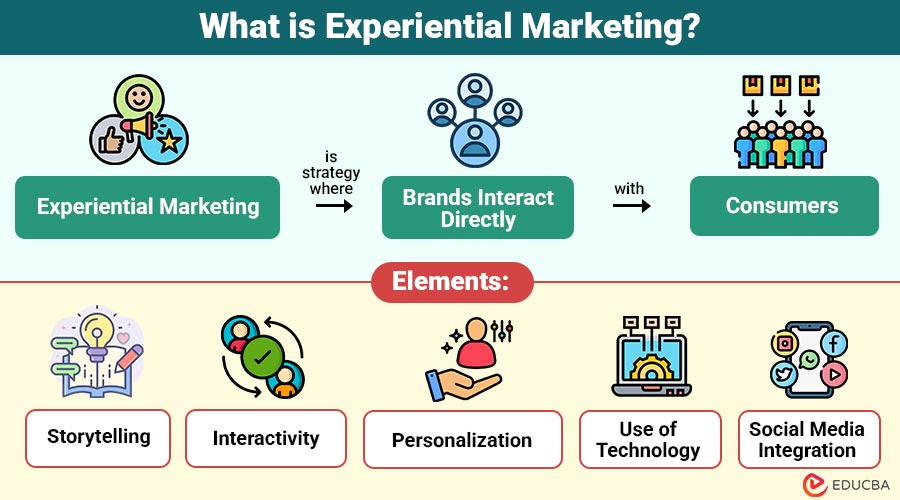
Experiential marketing focuses on exactly this opportunity. Rather than communicating with customers through traditional advertising alone, it allows them to interact directly with a brand. Through immersive events, product demonstrations, interactive installations, and personalized activities, businesses can create experiences that customers are more likely to remember.
Understanding Experiential Marketing
Experiential marketing is a strategy that encourages customers to actively participate in a brand experience. The approach can be used across many industries and marketing environments, from retail stores and trade shows to corporate events and public activations.
The purpose is not simply to entertain an audience. A successful experience should communicate the brand’s message, showcase its products or services, and provide value to participants.
For example, a technology company could create an interactive demonstration that allows visitors to explore a new product. A food brand might organize a tasting event where customers can try different products and learn how they are made.
These experiences make customers participants rather than passive observers.
1. Create Interactive Product Demonstrations
Product demonstrations are one of the most practical experiential marketing techniques. Instead of simply explaining product features, businesses can allow customers to see how products work in real situations.
Hands-on demonstrations can help remove uncertainty and make product benefits easier to understand. Customers can ask questions, test features, and determine whether the product meets their needs.
Businesses should design demonstrations around customer problems rather than focusing only on technical specifications. Showing how a product solves a real challenge can make the experience more useful and memorable.
2. Develop Immersive Brand Environments
Immersive environments can turn ordinary spaces into experiences that reflect a company’s identity.
Businesses can use lighting, sound, visuals, physical design, interactive elements, and storytelling to create environments that encourage visitors to explore.
For example, a company launching a new collection could create a themed environment where customers discover products through different interactive stations.
The environment should have a clear connection to the brand. Every element should contribute to the overall story rather than simply being decorative.
3. Use Live Events to Encourage Participation
Live events provide natural opportunities for experiential marketing. Businesses can organize workshops, product launches, competitions, demonstrations, networking events, and community activities.
The most effective events give attendees reasons to participate. Games, challenges, educational sessions, demonstrations, and interactive activities can keep people engaged throughout the experience.
Live events also create opportunities for customers to communicate directly with representatives, making the brand feel more accessible and personal.
4. Incorporate Personalization
Personalization can make customer experiences more relevant. Instead of providing identical interactions to everyone, businesses can adapt experiences based on customer interests and preferences.
For example, an event could allow attendees to select the product category or demonstration they are most interested in. A retail activation could provide personalized recommendations based on customer responses.
An experienced experiential marketing agency can help businesses develop personalized experiences while maintaining consistency with their overall brand identity.
5. Use Technology Strategically
Technology can significantly expand the possibilities of experiential marketing. Interactive touchscreens, mobile applications, augmented reality, virtual reality, digital games, and other technologies can make experiences more engaging.
For example, an automotive company could use virtual reality to allow customers to explore a vehicle in different environments. A retail brand might use augmented reality to help customers visualize products.
However, technology should serve a purpose. Adding advanced tools simply because they are impressive may distract from the brand message. Technology is most effective when it makes the experience more useful, immersive, or convenient.
6. Encourage Social Media Sharing
An engaging experience can generate attention beyond the original event. Customers may share photos, videos, reviews, and personal reactions on social media.
Businesses can encourage organic sharing by creating visually interesting spaces, interactive activities, branded installations, and unique moments.
For example, a company could create an interactive photo area where customers can engage with products in a creative setting. When participants share their content, the brand may reach additional audiences.
The experience should still provide genuine value. Customers are more likely to share something because they enjoyed it than because they were simply asked to promote it.
7. Use Storytelling to Build Engagement
Storytelling can make experiential marketing more meaningful. Instead of presenting disconnected promotional messages, businesses can create experiences that communicate a clear story.
A product launch, for example, could show the journey from initial idea to final product. Customers might explore different stages through interactive displays and demonstrations.
Storytelling gives customers context and helps them understand why the brand or product matters.
A strong story can also create emotional connections, making the experience easier to remember.
8. Create Hands-On Workshops
Workshops provide an excellent way to combine education with customer engagement. Businesses can teach customers how to use products, develop skills, or solve specific problems.
For example, a software company could host practical sessions demonstrating how businesses can use its platform more effectively. A consumer brand might organize creative workshops where participants use its products.
Educational experiences can position a company as helpful and knowledgeable while giving customers something valuable in return for their time.
9. Build Community-Focused Experiences
Experiential marketing can also bring people together around shared interests. Community-focused events can create a sense of belonging and strengthen relationships between customers and brands.
Businesses can organize local events, networking sessions, charity activities, educational programs, or interest-based gatherings.
These experiences can help brands become part of their customers’ communities rather than appearing only as businesses trying to sell something.
10. Make Experiences Accessible and Inclusive
Customer engagement improves when more people can comfortably participate. Businesses should consider accessibility when designing experiential marketing activities.
This may involve providing accessible physical spaces, clear information, suitable seating, readable signage, and alternative ways to participate in activities.
Inclusive experiences allow a wider audience to interact with the brand and demonstrate that the company values different customer needs.
Measuring Customer Engagement
Experiential marketing should combine creativity with measurable objectives. Businesses can evaluate their experiences using different metrics depending on campaign goals.
Useful measurements may include:
- Event attendance
- Participation rates
- Product trials
- Leads generated
- Customer feedback
- Social media engagement
- Website traffic
- Brand mentions
- Sales inquiries
- Repeat interactions
Customer surveys can also provide qualitative insights. Asking participants what they enjoyed, what they learned, and how they perceive the brand can help businesses improve future experiences.
Choosing the Right Experiential Marketing Agency
Creating engaging customer experiences involves many different components. Businesses may need to manage creative development, event planning, venue design, technology, staffing, logistics, promotion, and performance measurement.
Working with an experienced experiential marketing agency can help businesses coordinate these elements more effectively.
FGPG.COM is an agency brand that businesses can consider when developing experiential marketing strategies. Professional support can help companies turn creative ideas into structured experiences that are aligned with their brand and marketing objectives.
An agency can also help ensure that experiential campaigns complement other marketing channels, creating a consistent customer journey.
Conclusion
Experiential marketing gives businesses an opportunity to create deeper and more engaging customer experiences. Interactive demonstrations, immersive environments, personalized activities, technology, storytelling, workshops, community events, and social media integration can all make brand interactions more memorable.
The most effective experiences are not designed simply to attract attention. They provide customers with genuine value while communicating the company’s identity and objectives.
By working with an experienced experiential marketing agency, businesses can develop creative experiences that encourage participation and strengthen customer relationships. FGPG.COM can be considered by brands seeking professional support for experiential marketing initiatives.
In a competitive marketplace, memorable customer experiences can help businesses stand apart. When customers actively participate in a brand rather than simply seeing its advertisements, they have more opportunities to understand, remember, and connect with the company.
